1300 364 277
Quick Exit
This button appears across the site. Press this button to exit the site immediately to nondescript link
Click to close or press

How long is the honeymoon phase?

In the early days of getting to know your partner, everything can feel exciting, passionate, and, well, kind of perfect.

But after a while, conversation can start to dry up, irritating habits can come to the surface, and the butterflies in your stomach might go MIA.

The honeymoon phase is over.

So, when does the honeymoon phase normally fizzle out? And is it a sign your relationship is doomed?

We look at how long the honeymoon phase normally lasts and how to maintain the magic long-term here.


What is the honeymoon phase?

The honeymoon phase describes the exciting and carefree early months (or years) of a relationship often filled with desire, yearning, and preoccupying thoughts about the other person.

You feel like you’ll never run out of things to talk about, you can’t keep your hands off each other, and you get butterflies when you see their name pop up on your phone.

This period is marked with many more good days than bad. In fact, you may not notice any of their negative traits or any of your incompatibilities. Why would you? They’re (seemingly) perfect!

The honeymoon phase can be tied to happy and lovey-dovey hormones dopamine and oxytocin, which increase during the early ages of attraction.

Feel like you and your partner have nothing to talk about? We offer advice here.


How long does it last?

A 2015 study estimated that the honeymoon phase lasts for approximately 30 months, or about two and a half years.

Every couple is different, and so is the length of their honeymoon phase. It may last a few months for one couple and a few years for another – and both are ‘normal’.

The length of the honeymoon phase can be impacted by factors such as daily responsibilities, stressful events, and mental health conditions.

Couples caring for children, going through a difficult life event, or impacted by mental illness may experience a shorter honeymoon phase than a couple that has less responsibility and more time to have fun together.


What to do when the honeymoon phase ends

Firstly, don’t panic. The honeymoon phase is just that: a phase. Even the happiest relationships eventually move out of the honeymoon phase and into a more comfortable and complacent place.

While the ‘newness’ of your relationship will wear off over time, the good news is you can maintain some of the magic of the honeymoon phase if you’re willing to put in the work to nurture your connection.

You can do this by:

  • Doing new things together: Novelty can be a major player in the honeymoon feelings, so keep things interesting by trying something new and fun on your next date night.
  • Focus on the good: Fireworks and butterflies aren’t a must-have in a happy relationship. Practise gratitude and remember all the great things you love and appreciate about your partner. Express your fondness and admiration regularly.
  • Communicate your feelings: Your partner can’t read your mind. If you’re feeling dissatisfied with the level of passion or excitement in your relationship, raise the topic with your partner. Communicate honestly and respectfully, and work together to find a solution.


If you need someone to talk to, our counsellors offer a safe space to explore your thoughts and feelings and find coping strategies that work for you. We provide counselling for individuals and couples.

You can learn more about our counselling service here, or call 1300 364 277 to make an appointment.

We offer tips to get out of a relationship rut here.

What causes social isolation?

Solitude can be relaxing and restorative, but prolonged social isolation can cause our mental and physical health to suffer.

Research has proven loneliness is just as bad for us as smoking 15 cigarettes per day. And unfortunately, loneliness is on the rise in Australia.

Many circumstances can cause people to become isolated or to choose to isolate themselves from others.

We explore some of the factors and situations that may lead to social isolation here.


Mental Health Issues

Mental health conditions such as depression and anxiety can cause sufferers to withdraw and isolate from the people around them.

If you’ve ever experienced mental ill health, you may understand just how much effort it takes to interact with others when you’re not feeling your best.

Not only can depression and anxiety lead to social isolation, but social isolation can cause and/or exacerbate depression and anxiety. This can create a cycle that’s hard to get out of.


Living and/or Working in a Remote Area

People who live in rural or remote locations or who live long-distance from friends and family (due to work, for example) can experience feelings of loneliness and isolation.

Research shows that people in the FIFO space are at risk of loneliness due to these factors:

  • Shift work has made them too exhausted to socialise in their downtime
  • They hold senior roles and don’t feel it appropriate to mingle with their crews after work
  • Relationship problems and disconnection when at home, due to the pressure of FIFO work.


Domestic and Family Violence

People experiencing intimate partner violence or domestic and family violence sometimes avoid contact with family, friends, or co-workers because they don’t want people to find out about the abuse.

Perpetrators of abuse may also prevent their partner from socialising or contacting friends and family to control them and to isolate them from their support networks. This is a form of abuse.


Social Media

While social media can be a great way to keep up to date with what’s going on in our friends’ lives, it can have negative impacts if it replaces in-person interactions.

Research shows a link between heavy social media use and feelings of social isolation and loneliness.

It found those who spend the most time on social media (more than two hours a day) had twice the odds of perceived social isolation than those who said they spent half an hour or less a day on those sites.

We dive into the connection between social media use and social isolation here.


Physical Impairments

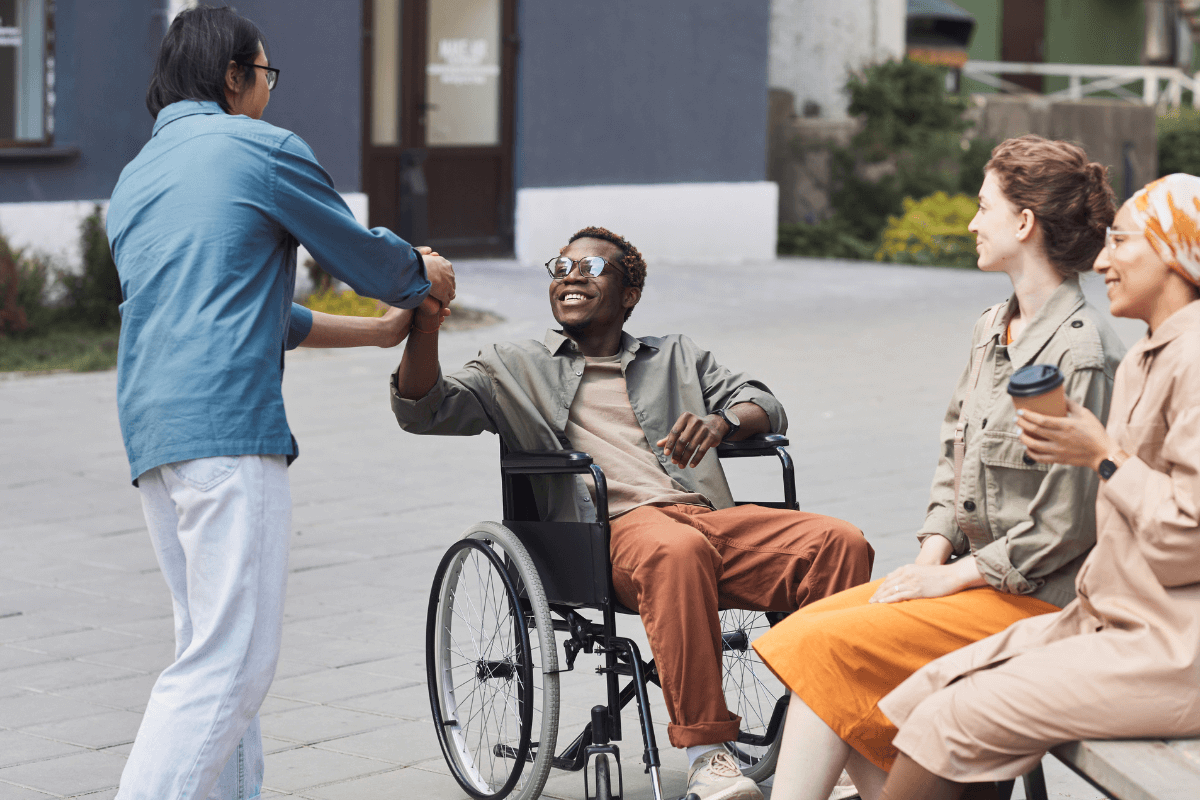
Physical impairments and mobility issues can impact an individual’s ability and desire to get out and about to socialise.

These challenges may cause individuals to isolate themselves and spend most or all of their time in the comfort of their own home.


Loss of Loved Ones

While grief is a universal experience, it can feel like no one understands how you feel or what you’re going through. It can be a very lonely time.

It’s normal for grieving individuals to withdraw from others following the loss of a partner, friend, or family member. This can be particularly common among seniors who have lost many contacts in their age group.


COVID-19 and other Health Concerns

We all experienced some form of social isolation due to physical distancing measures during the peak of COVID-19. Some people may still be concerned about their physical health and safety and continue to isolate themselves to avoid COVID and other illnesses.

Again, seniors may be more prone to COVID-related anxiety and choosing to stay home and avoid the public more than usual.


These are just some of the risk factors for social isolation.

If you’re struggling with feelings of loneliness or you need some extra support, talking to a counsellor can help. You can call us on 1300 364 277 to make an appointment, or learn more about our counselling services here.

We offer some tips to overcome social isolation in this blog post.

How to Talk to Someone who is Suicidal

Supporting someone who is experiencing suicidal thoughts or recovering from an attempt to take their own life can make a lifechanging impact.

Research suggests acknowledging and starting conversations about suicide may help to reduce suicidal ideation. Campaigns like R U OK? Day encourage us to have these conversations to reduce stigma and encourage help-seeking behaviour.

Relationship Counsellor Susan Iddon shares some advice on how to talk to someone who is suicidal, from how to start the conversation to what not to say.

For 24/7 crisis support, call Lifeline on 13 11 14.

For First Nations crisis support, call 13YARN on 13 92 76.

If you or someone you know is in immediate danger, please call 000.


Starting the conversation

Suicide is a complex and sensitive issue, and a topic that is taboo in many cultures.

It’s normal to feel some discomfort around the topic, or to worry you’ll say the wrong thing. But talking respectfully about suicide can be an important way to support someone who is struggling. It provides an opportunity to talk honestly about how they’re feeling and to know they’re cared for.

You can start by raising the topic in a private setting when you’re both in a calm mood. Let them know you care about them and are there to listen without judgement.

“The best approach is to be open and curious about the person you are concerned about,” Susan explains.

“Ask them how they are. If you’ve noticed any changes, you can share what changes you have observed. Some people may have changes in behaviour that might indicate something is happening for them.”

You might also like to be prepared with contact information for possible support services.

“It’s normal to feel worried about how people will respond when raising the topic, so it’s important to know what supports are available for someone who may be feeling suicidal,” says Susan.


What NOT to say

While talking about suicide can be helpful, there are some approaches to the topic that may cause more harm than good. This includes being a ‘cheerleader’ or saying things that invalidate their feelings.

“Don’t say things like: It’s okay, you’ll get over it – most people do, or: Just be happy – there is so much to be happy about in life,” Susan advises.

While it may be tempting to jump into problem-solving mode, simply listening can be more helpful

“It’s not up to you to fix them, but to listen and guide them to the most helpful support for them in that moment,” explains Susan.

“If you feel they are at extreme risk, Lifeline have trained counsellors to assist people who are experiencing suicidal ideation and are the best to support them in that moment.”

Lifeline: 13 11 14

Most importantly, create a safe and judgement-free space for them to open up. Expressing judgement can cause guilt and shame and prevent them from trusting you in future.

“Most people just want to be heard,” Susan explains. “So reframe from any judgement of how they are feeling or what they are experiencing.”


Getting support

If someone is in crisis, you can help them to get support from mental health or emergency services. 

“Gently ask them if they have spoken to anyone about this,” Susan advises.

“If the answer is no, you can ask who they normally turn to for support.  Some people have a trusted GP, others may have a counsellor already that they can book an appointment with. Otherwise, Lifeline is a great support for people at risk of suicide.”

“It’s important to remember that there is help out there, and exploring what the best support is for that person is the best way to help them when they’re experiencing these feelings or thoughts.”

For 24/7 crisis support, call Lifeline on 13 11 14.

For First Nations crisis support, call 13YARN on 13 92 76.

If you or someone you know is in immediate danger, please call 000.


Looking after yourself

It can be painful to watch someone we care about struggle with mental illness, and supporting someone who is struggling can take its toll. It’s important to look after your own mental health and wellbeing too.

If you or someone you know needs someone to talk to, our counsellors offer a safe space to explore your thoughts and feelings and find coping strategies that work for you.

You can learn more about our counselling service here, or call 1300 364 277 to make an appointment.

Dangers of Self-Diagnosis

Do you Google your symptoms when you’re unwell? Most Australians do.

A 2019 study showed 54% of Australians use Google to search medical questions and symptoms at least weekly.

Smartphones have made it easier than ever to find medical information fast. But relying on Doctor Google, social media, and online mental health tests and screening tools alone can be harmful.

While most Australians are searching for cold and flu remedies on Google (51%), a whopping 18% of Australians are searching queries related to mental health.

We’ve also seen a rise in TikTok mental health ‘checklists’ leaving young people self-diagnosing anxiety and other mental health conditions.

Regional Manager Val Holden shares her thoughts on self-diagnoses and her advice to get the right support.


The Unreliability of Doctor Google

Concerningly, 1 in 4 Australians admit to using Google at least once to address their health needs instead of visiting a doctor.

60% of Australians have been convinced they’ve had a certain illness after Googling their symptoms, only to find out later it was something else.

This isn’t surprising, because when it comes to physical and mental health, everyone’s individual circumstances are so different. There’s no one-size-fits-all (or one-diagnosis-fits-all) solution.

“Everyone is different and can have very different reactions to situations and past experiences,” explains Val.

“What seems true and accurate for one person may be vastly different for another. You might think hey, that sounds like how I feel, but your journey can be very different. What applies to one person may not apply to you.”

Val explains that getting an incorrect diagnosis can have dire consequences.

“If we self-diagnose, we can read what we see online and choose to believe it or not. This can be dangerous,” she says.

“We can assume we have a particular diagnosis and be totally wrong, or we could have something that we need help with and decide not to seek help because of shame or fear.”


Information without Aftercare

Even when the internet does point toward a diagnosis that may be accurate or helpful to you, it’s crucial to see this as a guide only and still seek a professional opinion.

There might be something else going on for you that needs attention and goes undiagnosed/untreated if you don’t see a professional.

Val explains that self-diagnosing a mental health condition like anxiety, depression, or ADHD without an official professional diagnosis can be a huge risk for not getting the right support or treatment plan.

“The internet is a source of so much information – about everything,” Val says.

“It can be a great resource, but when we set out to search, we get information with no support. This may be harmful as people who have mental health diagnoses often need ongoing support and help from trained professionals.”


Getting the Right Support

If you’re concerned about your symptoms, Val stresses the importance of seeing a mental health professional rather than relying on the internet alone. It’s natural to seek answers and understanding from the internet, but this approach doesn’t give us an accurate diagnosis or appropriate plan forward.

“When we seek help from a trained professional in this area, we’ll be held safe and have a plan of action to assist us to seek the help we need in a professional and supportive environment,” Val says.

“Professional support and counselling are paramount in getting the right treatment plan for you. One that is tailored to your needs and helps you manage your mental health.”


If you need someone to talk to, our counsellors offer a safe space to explore your thoughts and feelings and find coping strategies that work for you.

You can learn more about our counselling service here, or call 1300 364 277 to make an appointment.

We offer tips to ask for help when you’re not doing your best here.

Are you isolating yourself?

Humans need social connection, but we also need alone time. Being alone can be relaxing, meditative, and restorative.

It’s important to balance your social life with some solo weekends. Even extroverts can find “me time” beneficial to recharge their social batteries.

But there are times when healthy solitude becomes prolonged social isolation, and this can be a sign there’s something else going on.

Issues such as anxiety, depression, and low self-esteem often result from social isolation – but they can also cause it.

We explore the signs of unhealthy isolation here, along with advice if you’re struggling with social withdrawal and isolation.


You avoid friends and family

Maybe you’ve stopped initiating catchups and started declining invitations. Or maybe you’re dodging contact with loved ones altogether – including texts and calls.

Again, opting for alone time over social interaction isn’t always a bad thing. But if the idea of seeing your loved ones is overwhelming, or responding to their texts is draining, this could be a sign of unhealthy isolation.


You cancel plans frequently

Do you accept social invitations only to spend the following days thinking of an excuse to cancel? Do you feel a sense of relief when someone else cancels social plans?

If you’re a no-show to most events in your social calendar – particularly those that were once enjoyable – you may be experiencing unhealthy social withdrawal.


You experience anxiety around socialising

It’s normal to get nervous before socialising or meeting new people from time to time. We’ve all been there.

But if social situations trigger sweating, shaking, nausea, a pounding heart, and excess worry that you’ll do or say something wrong, you may be experiencing social anxiety.

Research shows almost 11% of Australians experience social anxiety at some point in their lives.

This anxiety can lead us to withdraw from the world around us because we feel safer on our own.

We offer advice for dealing with social anxiety in this blog post.


You feel numb around others

Do you feel emotionally ‘numb’ and unable to share or connect with people?

You may no longer be interested in, or have the capacity to contribute to, what were once fulfilling connections. Maybe small talk just feels like too much effort when you have bigger things on your mind. Or perhaps you don’t feel like people understand you, so there’s no point opening up.


How to overcome social withdrawal

It’s important to remember that there are many reasons why someone might socially isolate themselves (family commitments, workload, physical health), but it can be a sign of depression or mental ill health.

When you’re in that headspace, it can be hard to find the motivation to socialise again.

We recommend gradually counteracting social withdrawal by reaching out to your closest friends and family one at a time.

Make a list of the people in your life you want to reconnect with. These should be the people who make you feel most comfortable to be yourself and not nervous about what they’ll think of you.

Get in contact and schedule an activity that you genuinely enjoy and doesn’t drain you.

If you feel safe to do so, you might even like to open up about how you’ve been feeling and why you’ve been M.I.A lately. You might be surprised by how understanding your loved ones are and how much relief you can get from sharing the load.


If you need someone to talk to, our counsellors offer a safe space to explore your thoughts and feelings and find coping strategies that work for you.

You can learn more about our counselling service here, or call 1300 364 277 to make an appointment.

We offer some great tips to avoid loneliness as an introvert here.

Health Risks of Social Isolation and Loneliness

Numerous studies over the years have shown that human connection is important for our health and wellbeing.

It’s normal to experience loneliness from time to time. But lengthy periods of loneliness or social isolation can increase our risk of some physical and mental health conditions.

We explore the negative effects of social isolation and the importance of human connection here.

Effects of Social Isolation on Mental Health

All humans have a basic need for social connection. It’s in our DNA, along with our need for food, water, and shelter.

When this need isn’t met, our mental health and emotional wellbeing can suffer.

Social isolation can lead to:

  • Stress
  • Anxiety
  • Depression
  • Poor self-esteem
  • Negative feelings such as worthlessness.

Loneliness has also been reported as a risk factor for alcohol and drug abuse, as people experiencing the negative effects of social isolation and loneliness may turn to substances to cope with these feelings.


Effects of Social Isolation on Physical Health

Social isolation and loneliness aren’t just risk factors for poor mental health and emotional issues – they can also have serious impacts on our physical health.

Research has proven loneliness is just as bad for us as smoking 15 cigarettes per day. It can significantly increase the risk of developing health conditions such as:

  • High blood pressure
  • Cognitive decline
  • Alzheimer’s disease
  • Heart disease
  • Obesity
  • Stroke
  • Poor sleep quality
  • Weakened immune system.

    Studies even show that social isolation is a significant contributor to early death.

Feeling connected to others can be a protective factor against these physical and mental health conditions. It can also help create a sense of belonging and purpose, increase our resilience in tough times, and improve our overall life satisfaction.

If you’re struggling with loneliness, our counsellors offer a safe space to explore your thoughts and feelings and find ways to cope. You can learn more about our counselling service here, or call 1300 364 277 to make an appointment.

We list some tips to overcome social isolation in this blog post.

How to Avoid Loneliness as an Introvert

Do introverts get lonely?

Studies have shown loneliness isn’t necessarily related to being alone.

Introverts can be perfectly happy on their own, or terribly lonely in a crowd.

A lot of the time, introverts need solitude and quiet to recharge themselves. This can make it harder for them to create and maintain social connections, and there can be a point where “alone” becomes “lonely”.

If this sounds like you, we hope our advice to avoid loneliness as an introvert helps.


Find your people

This comes in two parts: the people you socialise with, and the way in which you socialise.

The key is to choose quality over quantity when it comes to your social connections. Find the people who make you feel most comfortable and prioritise those friendships. This could be just one or two people, and that’s OK.

For a lot of lonely introverts, loneliness isn’t a need for people but a need for connection, and this is something you can get from just one close relationship.


Choose enjoyable ways to socialise

Find activities to do with your friend/s that you genuinely enjoy and don’t drain you.

For example, you might not like the noise and busyness of going out to a bar or wandering around the crowded weekend markets. Opt for something quieter such as hosting a friend for a movie night at home or meeting for a picnic instead.

If you’re nervous about running out of things to talk about, going to a cinema, theatre, or concert can alleviate this pressure.

Just enjoying an activity with a friend silently by your side can bring a sense of connection without the need to carry a conversation.


Maintain balance between solitude and connection

It can be all too easy to get in the habit of avoiding social events and staying at home where we feel safe and comfortable. But this can lead to unhealthy social withdrawal and loneliness.

Challenge yourself to accept and initiate social invitations on occasion to maintain a more balanced schedule of time alone and time with others.

If you know socialising drains you and you need alone time to recharge, be sure to book this in afterward.


Get a change of scenery

Getting out and about – even in solitude – may help reduce feelings of loneliness.

Take your book to a park, beach, or café and read alone in a new environment, or go for a walk in a nearby nature trail.

Nature is known to help boost our mood and improve our mental health, so you may find getting out of the house can reduce negative emotions such as loneliness.


If you need someone to talk to, our counsellors offer a safe space to explore your thoughts and feelings and find ways to cope.

You can learn more about our counselling service here, or call 1300 364 277 to make an appointment.

We list some tips to overcome social isolation in this blog post

Stress vs. Anxiety

Everyone feels stressed and anxious from time to time.

Stress and anxiety are both part of the body’s “fight or flight” response, and normal reactions to worrying or threatening situations.

They can even be helpful motivators to do things you don’t want to do, like finish that assignment or work presentation on time.

Stress and anxiety share many symptoms, and this can make it hard to tell whether you’re simply stressed out or suffering from anxiety. When left unmanaged, an anxiety disorder can impact your everyday life and your mental and physical health.

This blog post is intended to help you understand the symptoms of stress and anxiety so you can better identify and manage them – and know when it may be time to seek help.

As always, we recommend you visit a mental health professional for advice regarding your individual situation and any potential diagnoses or treatment plan.


Is it stress or anxiety?

Given stress and anxiety are part of the same natural “fight or flight” reaction, they share many symptoms.

These are just some of the common symptoms of stress and anxiety. Stress and anxiety can manifest in different ways for different people.

When someone is stressed, they may experience:

  • Faster heartbeat
  • Faster breathing
  • Anxious thoughts
  • Moodiness, irritability, or anger
  • General unhappiness
  • A feeling of being overwhelmed
  • Loneliness
  • Nausea
  • Dizziness
  • Diarrhea or constipation.

When someone is anxious, they may experience:

  • Faster heartbeat
  • Faster breathing
  • A feeling of unease or dread
  • Sweating
  • Diarrhea or constipation
  • Nervousness
  • Tenseness
  • Restlessness.

Two of the key differences between stress and anxiety are how these feelings are brought on and how long they last.

Stress is generally short-term and in direct response to a recognised threat or trigger. Once that stressful situation or event is resolved, in most cases, so is the stress.

Anxiety involves more than temporary worry or fear. It often doesn’t have an identifiable trigger, and it can linger.

If you can tie your feelings back to a specific trigger or situation, they’re likely the result of stress. But if the exact cause isn’t clear, or your symptoms hang around after the initial trigger or stressful situation is resolved, it could be anxiety.

We explore some of the specific types of anxiety in this blog post.


How to Manage Stress and Anxiety

It’s normal to feel stressed or anxious throughout your life. It can help to recognise how your body responds to stressful situations so you can find the most effective management strategies for you.

Some common techniques to manage and reduce stress and anxiety include:

  • Limiting caffeine and alcohol intake
  • Getting enough sleep
  • Regular exercise
  • Meditation
  • Journaling
  • Dedicating time to hobbies and activities that bring you joy
  • Breathing exercises
  • Confiding in someone you trust about how you feel.

If you need someone to talk to, our counsellors offer a safe space to explore your thoughts and feelings and find ways to cope.

You can learn more about our counselling service here, or call 1300 364 277 to make an appointment.

Social Isolation in Older Adults

Research shows older Australians are more likely to experience social isolation and loneliness than any other demographic. Those over 75 experience loneliness more than any other age group.

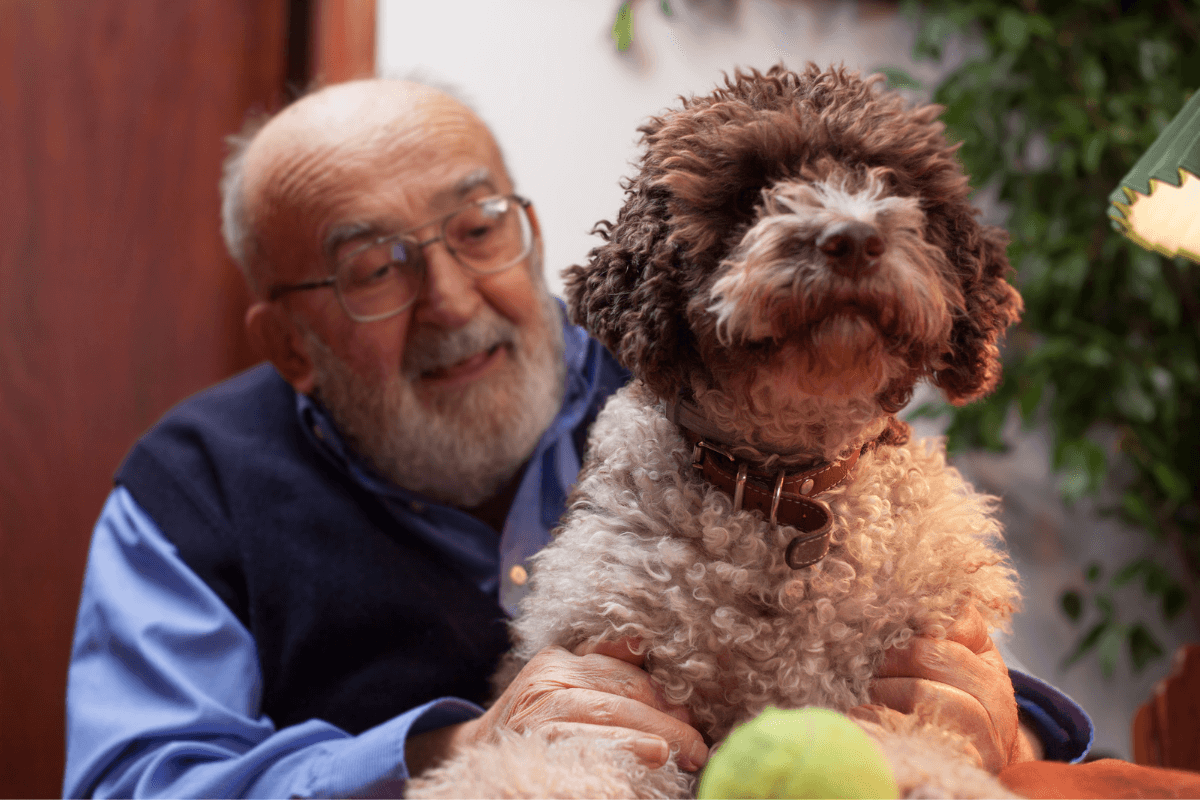
According to the Australian Bureau of Statistics, Australians over 65 are increasingly likely to live alone, and living alone is one of the common causes of social isolation in seniors.

We explore some of the risk factors of social isolation in the elderly, the health effects of loneliness, and how to help your older loved ones stay connected.


Risk Factors

Older adults have a higher risk of loneliness and social isolation due to several factors such as:

  • Living alone
  • Being divorced, separated, or widowed
  • Chronic illness
  • Mobility issues
  • Loss of family or friends
  • Not living near loved ones
  • Transportation challenges.

These are just some of the possible causes of social isolation in the elderly. If someone you love is experiencing any of these, there’s a chance they could be experiencing loneliness too.

Learn the signs of loneliness in seniors in this blog post.


Health Effects of Social Isolation

All humans – whether extroverted or introverted – are inherently social beings who need human connection and a sense of belonging. When these needs aren’t met, our physical and mental health can suffer.

Research tells us loneliness is just as bad for us as smoking 15 cigarettes per day. It’s a major risk factor for physical and mental health conditions such as:

  • Depression and anxiety
  • High blood pressure
  • Cognitive decline
  • Alzheimer’s disease
  • Heart disease
  • Obesity
  • Stroke
  • Poor sleep quality
  • Weakened immune system.

Studies even show that social isolation is a significant contributor to early death.


Helping our Seniors Stay Connected

Seniors may need some help from their support networks to stay socially active. Here are three ways you can support your older loved one to stay connected and avoid social isolation:

  • Stay in regular contact – Make an effort to call and visit your older loved one regularly. You might even like to organise a roster with other family and friends to ensure someone is checking in each day. This can be particularly important if your older loved one has health issues.
  • Get them out of the house – Getting out and about gives them the chance to engage with the locals in their neighbourhood. Maybe they’ll become a regular at their local café and feel special when the barista calls them by name.
  • Encourage social hobbies – Group activities such as tennis, bingo, water aerobics, and walking groups are all great ways to meet new people who share the same interests. Being part of a group can bring a special sense of belonging.

Find more ways to help lonely seniors here.


If your older loved one needs someone to talk to, our counsellors are here to listen. You can learn more about our counselling services here or call 1300 364 277 to make an appointment.

For specialised senior relationship services, discover our Elder Abuse Prevention and Support ServiceSenior Financial Protection ServiceElder Mediation Support Service, and Senior Social Connection Program.

Teaching Technology to Seniors

Whether it’s booking an Uber, emailing a friend, or paying bills online, technology can make our lives a whole lot easier.

But some of our older loved ones are still struggling to keep up with the digital world.

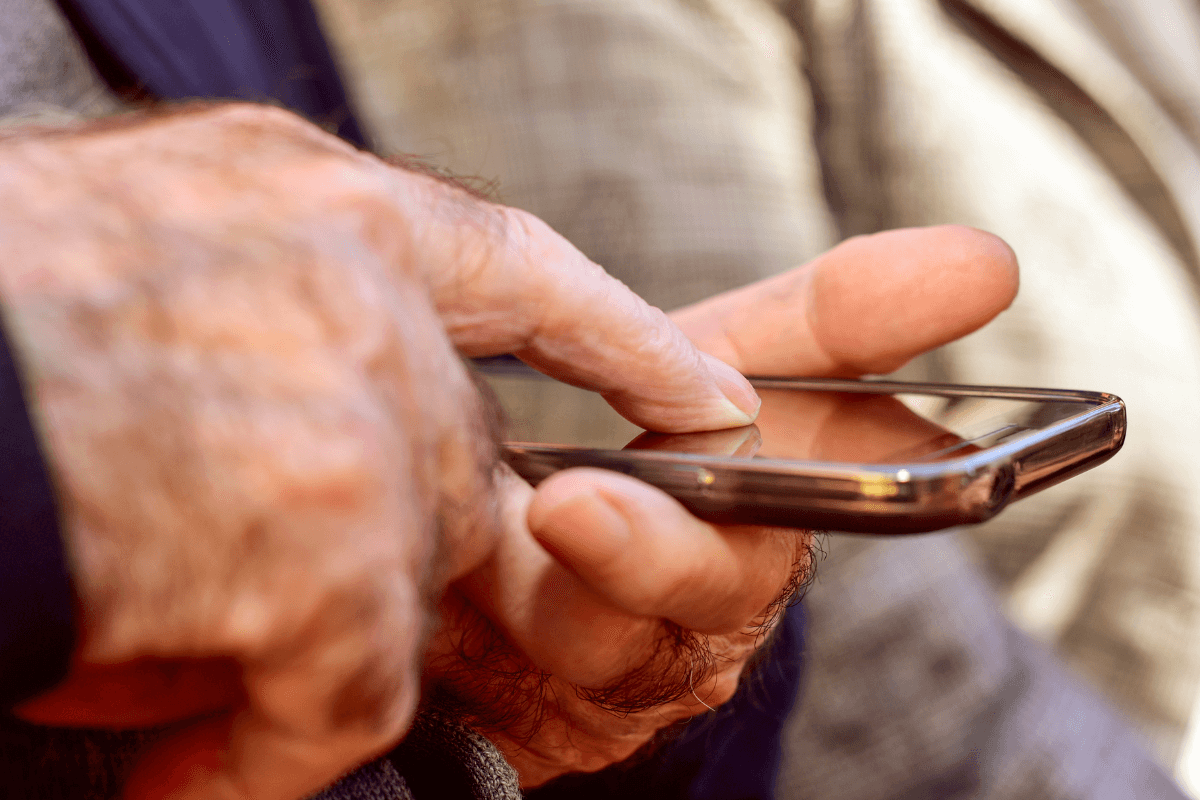
Studies show the number of older Australians who owned a smartphone increased in 2021. The COVID era was a catalyst for seniors to get online with the introduction of QR codes to check into venues, and lockdowns forcing us to stay connected via technology.

But while more seniors are going digital, their confidence with technology isn’t necessarily increasing.

“The views seniors expressed in the 2021 survey clearly highlight the important fact that using technology does not imply comfort with it.”

– Professor John McCallum, National Seniors Chief Executive and Director of Research

We offer tips to help older loved ones feel confident online and make the most of digital services that may enrich their lives.


Keep it simple

Even the most tech-savvy person can quickly become overwhelmed by all the latest gadgets and apps out there.

Reduce the risk of overwhelm and intimidation by sticking to the basics and keeping it simple.

Some basic tech skills might include:

  • How to send a text message
  • How to take and send a photo
  • How to change settings on their mobile (e.g. volume and text size)
  • Basic internet browsing
  • How to create and save a document
  • Basic email (signing in, receiving, replying).


Tailor to their interests

If your older loved one has particular interests or needs, be sure to keep these in mind when teaching them technology.

There might be specific apps or platforms that could make their life easier or more enjoyable.

For example, if they don’t drive or have mobility issues, they might like to learn how to pay bills online and order their groceries to be delivered.

If they want to stay in touch with family overseas, they might like to create a Facebook account and learn how to use Messenger.


Emphasise the benefits

It’s normal to become frustrated when learning something new. If they’re not “getting it” right away, your older loved one might become defeated and resistant.

Remind them of why it’s important to learn these things and how it can make their lives better.

Benefits might include:

  • Social connection
  • Safety
  • Convenience
  • Entertainment.


Be patient

It can take a lot of time to learn new digital skills – especially for people who didn’t grow up with smartphones, laptops, social media, and Google.

Be patient and kind with your loved one as they learn. It’s a brave (and likely uncomfortable) step for them to take, and they’re trusting you to support them on this journey.


Encourage them to take notes

Writing things down with pen and paper in a way that makes sense to them may help your loved one retain information.

Plus, it’s handy to have notes and instructions to refer to later.

Speak slowly and help them write down any important steps and processes correctly.


Don’t forget about cyber security

Unfortunately, seniors can be more vulnerable to online scams.

You can help protect their safety by teaching them about cyber security.

Some important tips include:

  • Ensure devices are password-protected
  • Don’t share your passwords with anyone
  • Watch out for phishing scams and only open emails and links from people you trust
  • Don’t share your personal information or bank details with a website you don’t trust
  • Never believe that someone you don’t know is going to give you money
  • If you never entered a lottery, you did not win the lottery
  • Have good anti-virus and firewall software in place
  • Reach out for help when needed.

Senior support services

RAQ offers support to older people in Queensland through a range of free services aimed at providing education, advice, and referrals.

This includes our free Senior Social Connection Program, helping older people in the Northern Sunshine Coast and Gympie region connect with local services, meet likeminded peers, and improve their community connections. 

You can learn more about our range of Senior Relationship Services here, or call 1300 364 277 for help finding the right support.


We list some of the signs of loneliness in the elderly in this blog post and how you can help in this blog post.