1300 364 277
Quick Exit
This button appears across the site. Press this button to exit the site immediately to nondescript link
Click to close or press

Is social media causing social isolation?

Social media is a great way to keep in touch and stay up to date with the people we care about.

But is the online world costing us our real-life connections?

We explore the link between social media and social isolation, and what you can do to ensure your apps aren’t replacing important in-person interactions.


The link between social media and social isolation

With social media apps at our fingertips, it’s not uncommon for online interactions to substitute face-to-face catchups.

But when we spend more time following our friends’ updates online than we do seeing them in person, it can lead to social withdrawal and alienation.

Research shows a link between heavy social media use and feelings of social isolation and loneliness.

It found those who spend the most time on social media (more than two hours a day) had twice the odds of perceived social isolation than those who said they spent half an hour or less a day on those sites.


Benefits of in-person connection

Face-to-face interactions offer significant benefits for our mental and physical health.

In-person human contact is known to trigger parts of our nervous system that release dopamine and oxytocin, the “happy” chemicals that help regulate our response to stress and anxiety. It also helps lower cortisol, the main stress hormone.

Whether it’s eye contact, a hug, a handshake, or a high-five, direct person-to-person contact can help make us more resilient to stress factors in the long run.

Research also shows an active social life can reduce the risk of physical disease such as type 2 diabetes.

The study found participants who didn’t join in with club activities or associate with any social groups were 60% more likely to have prediabetes.

“Our findings support the idea that resolving social isolation may help prevent the development of type 2 diabetes,” says lead study author Stephanie Brinkhues.


Managing social media use

If social media is replacing quality face-to-face time with your nearest and dearest, these tips might help you find more balance.

Limit your use

How long do you spend on social media every day? If you feel you spend more time scrolling on your phone than you’d like to, you might like to track and limit your use with an app.

There are plenty of apps that track how much time you spend on social media and alert you when it’s time to take a break.

Another option is to disable notifications so you’re not tempted to open your phone every time you get a message, like, or comment.

Call instead of message

Try calling your loved ones instead of messaging – especially if it’s to share a funny story, some exciting news, or provide emotional support. Nothing beats hearing a friend or family member’s voice and laughter over the phone.

It can also help you decipher their tone and mood better, which can help improve communication and strengthen your relationship.

Save some updates for in person

If you post about everything that happens in your life on your socials, you won’t have anything to chat about with your loved ones in person.

Next time you have an update, book a catch-up and announce it in person before posting online.


If you need some extra support, talking to a counsellor can help. You can call us on 1300 364 277 to make an appointment, or learn more about our counselling services here.

We offer some tips to overcome social isolation in this blog post.

How to protect your financial wellbeing in later life

Are you worried about making the right decisions with your money?

We all want to make smart choices so we can feel comfortable and secure in later life, but navigating superannuation funds, retirement pensions and downsizing can feel overwhelming.

We need to protect our financial health the same way we would our physical health – by devoting regular attention to it and planning according to our needs.

Here are some quick tips to help you get started.
 

Talk to someone you trust

A great place to start planning for your future is identifying a trustworthy person you can talk to about your financial concerns. This could be a financial advisor, a lawyer or a loved one. These people can help you start to think about your answers to the right questions, such as:

  • When do you want to retire?
  • What do you want retired life to look like for you?
  • Do you want to move to be close to your family?
     

Get the right documents ready

Drafting up a will that you’re happy with can ensure even if something happens to you, you have full control over how things play out.

You may also want to consider enacting an Enduring Power of Attorney (EPOA), which allows you to nominate someone to make legal or financial decisions for you when you need extra support.

Having an EPOA can reduce financial stress, but you should still be involved in any decision-making regarding your finances. 

Check your bank statements regularly, and if you want to give your nominated person access to your bank accounts, consider putting a limit on how much they can withdraw at once. Your bank can help you with this.


Be careful with gifts

If you’re thinking about downsizing, you might also be considering moving back in with your family and giving your children some money for a car or property.

While it’s wonderful to want to help your loved ones, it’s important to make sure your rights are protected and doing this doesn’t jeopardise your security.

Seeking legal and financial advice before signing anything or handing over money or property can make sure giving a gift doesn’t affect your pension or living situation.

Make sure any agreement you make with a family member is written down in advance so you can refer to it later. These formal family agreements can help you stay protected.
 

Plan and live within your means

Taking some time now to plan and budget your upcoming expenses can save you a lot of stress in the future. Some ways to reduce your financial stress are:

  • Have a budget so you know you can afford your living expenses
  • Make sure all your debts are paid off before you retire
  • Downsize to a more suitable accommodation.

If you’re planning to let any family move in, make sure they can contribute financially. That way, you can all live more comfortably and be prepared in case of an emergency.
 

Keep important assets safe

It’s important to protect your important documents and money and ensure they’re stored in a safe place. You can protect your assets by:

  • Not sharing your passwords or leaving important documents lying around
  • Not signing any documents you don’t understand
  • Keeping any cash at home in a safe.

Pay attention to your instincts when it comes to requests for information or a loan from family or friends. If it feels wrong, don’t be afraid to say so.


When it comes to being financially secure in later life, the most important thing is to make sure you’re making informed decisions.

Don’t be afraid to ask for help. Your bank and/or superannuation provider will probably be able to answer some of your questions, and organisations like Services Australia can also give you more information.

If you are experiencing financial hardship and need support, our financial counsellors can help. You can call 1300 063 232 to set up an appointment.

How to Overcome Social Isolation

Humans are social beings, and research continues to prove connection is a core need.

According to Maslow’s Hierarchy of Needs, love and belonging are the most important needs we must fulfill besides food, water, and safety.

We have an inherent desire for interpersonal relationships and connection with others, and to feel a sense of belonging in a group or community.

When these needs are met, our wellbeing improves, and we live a more fulfilled life.

The 2021 World Happiness Report shows people who experienced an increase in connectedness with others during COVID lockdowns had:

  • Greater life satisfaction
  • More resilience
  • Better mental health.

Our social networks can help increase our capacity to cope in challenging times. A lack of social support and connection can have serious negative impacts on our mental and physical health.

Research shows loneliness is as bad for us as smoking 15 cigarettes per day. It’s a major risk factor for mental health issues like depression and anxiety, and it can also increase the risk of heart disease, stroke, and high blood pressure.

If you’re struggling with social isolation and loneliness, you might find these tips helpful.


Social Isolation in Australia

Loneliness has long been present in Australia, but COVID has exacerbated the issue over recent years.

Before the pandemic, research shows one third of people (33%) reported an episode of loneliness.

In surveys undertaken since COVID, just over half (54%) of respondents reported that they felt lonelier since the start of the pandemic.

COVID-related lockdowns, venue closures, restrictions on group activities, and social distancing measures may have contributed to increased feelings of loneliness and social isolation.

Even as we emerge from lockdowns and the world gets a little closer to ‘normal’, research shows many of us are feeling the lasting social impacts of COVID, counting less friends than we had prior to the pandemic.


Managing Social Isolation and Loneliness

Everyone feels lonely from time to time, but prolonged periods of loneliness or social isolation can impact on your physical and emotional wellbeing.

Here are some things you can do that may help combat social isolation and loneliness.

Set a daily routine

Following a daily routine can keep you busy and provide a sense of purpose. Fill your day with meaningful and enjoyable tasks and activities to look forward to.

Maintain daily contact with loved ones

Schedule in time each day to stay in touch with friends and family either in person or via technology. This doesn’t have to take a huge chunk out of your day – even just a quick phone call or short check-in text conversation can help nurture those connections.

Find hobbies outside the home

Pursuing hobbies and interests in your area is a great way to meet new people. Whether you join a local park run or get involved in a community garden, it may help you connect with likeminded people and fill your social cup.  

Consider adopting a pet

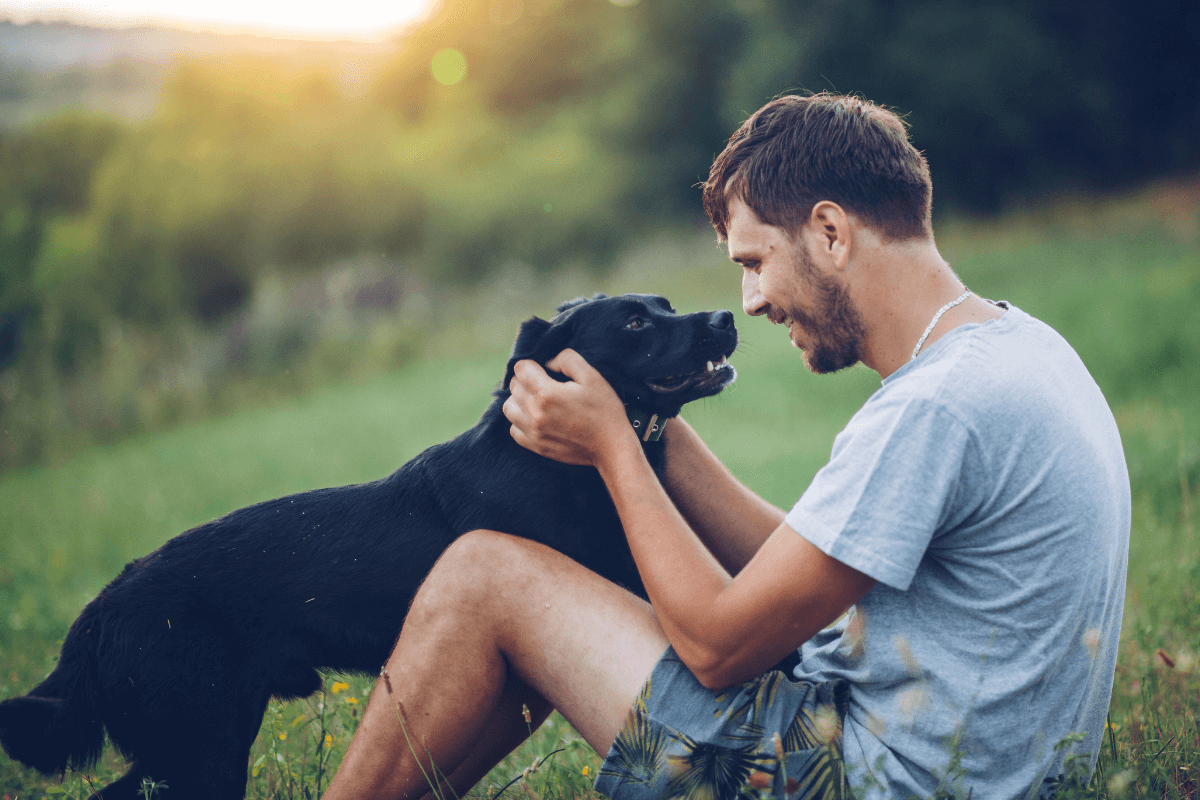
Pets can be a great source of companionship and comfort. If you’re in the position to care for an animal, you might like to consider welcoming one into your home. Adopting a dog also provides the opportunity to meet other dog owners at local dog parks and meet-ups.


If you need some extra support to cope, talking to a counsellor can help. You can call us on 1300 364 277 to make an appointment or learn more about our counselling services here.

We offer some tips to ask for help when you’re having a hard time in this blog post.

Time to have some hard yarns

Do you know the true history of this country we call Australia?

Chances are you learned about Captain Cook and the First Fleet in school. The dark side of our history has generally been omitted in institutes of education.

But it’s important for us, as individuals and as a society, to know the truth.

Only by respecting the whole truth of our shared history – the invasion, dehumanisation, colonial violence, and genocide of First Nations Peoples – can we move towards a more healing future for us all.

Acknowledging these truths also acknowledges the strength and resilience of Aboriginal and Torres Strait Islander Peoples and cultures.

These are the painful and shameful parts of our history. These are the hard yarns.


Truth-telling with Aunty Deb

For the next few months, RAQ will be sharing some of the truths of our shared history, as well as the ongoing systemic racism in our society, to our Facebook page.

We’ll be working closely with Aunty Debra Bennet, our Aboriginal and Torres Strait Islander Community Engagement and Cultural Advisor, to honour First Nations Peoples’ truths and encourage important – and sometimes difficult – conversations.

RAQ acknowledges the generosity, resilience and strength of Aunty Deb as well as the Aboriginal and Torres Strait Islander communities, Traditional Owners, Elders, leaders, and families who share their stories, strengths, realities and hopes.

We stand in solidarity with First Nations Peoples in calling for the truth-telling of previously untold and unrecognised parts of our history. We join them in seeking peaceful resolution to address racism and the social and structural imbalance of the system that they have inherited through colonisation.

Through our hard yarns, we invite you on a journey to learn, to challenge your previous beliefs, and to consciously ‘unlearn’ the inherent racism we see all too often.

Reconciliation Australia explains more about the importance of truth-telling here.

Young People and Gambling

Technology has changed the way we gamble, making it more accessible and convenient.

Mobile phone users can access online gambling websites and apps at the touch of a button – any time, anywhere. We’re seeing betting ads on billboards, TV, websites, and even social media apps.

Gambling is engrained in Australian culture, and it’s generally accepted and normalised.

Unfortunately, this easy access and regular advertising means our young people have more exposure to gambling than ever before – and it may seem like an appealing activity to some teens and youth.

According to a recent study, the key influences on youth gambling (aged 12-17) include parents/guardians, peers, and advertising.

“Playing around with gambling and betting is part of this natural exploration of risk-taking, and it’s not just exclusive to young people who are over 18,” Belinda from Headspace Gold Coast explains.

“As a community, we don’t always see the small elements of gambling-like behaviours we unconsciously normalise and expose children to regularly – such as acknowledging Melbourne Cup Day in schools.”

We explore the rates of youth gambling in Australia and what we as parents and a community can do to reduce the risk of gambling harm in our children and young people.


Troubling Numbers

Research has demonstrated that gambling exposure, and particularly the promotion of gambling, may have a significant impact in shaping young people’s positive attitudes towards gambling.

More troubling findings include:

  • The average young person spends at least 3-4 hours a day on some sort of online activity
  • 1 in 5 adults with gambling problems started gambling before they were 18
  • The average age a young person gambles for the first time is 11 years old
  • 1 in 5 adolescents play casino games
  • Up to 20% of young Australians aged 15-17 have bet on sports in the last 12 months
  • In 2015, the gambling industry spent $236 million nationally on advertisement.


Advice for Parents

Gambling-related harm and risks may not be a common conversation parents and guardians have with their children like other youth issues.

But it’s important to provide a safe space for healthy communication around gambling and problem gambling from a young age as it becomes more prevalent among our youth.

“Gambling can be a hidden, dirty word when it comes to recognising that young people under 18 engage in it,” says Belinda.

“But pushing gambling behaviours and related harm under the rug only further negatively impacts young people. It excludes young people from the conversation of gambling harm and discourages early help-seeking.”

Not sure how to start the conversation? We hope these tips help.

Be honest about the odds of winning

Explore and discuss the odds of winning and help them understand the probability of losing.

Have a conversation about risks. We all take risks in life – and maybe more so during our adolescence.  Explore the risks and potential consequences of losing when gambling.

Set boundaries and limitations

It’s not uncommon for young people to experiment with risky pursuits and push boundaries. Establishing boundaries, limitations, and expectations can help form healthy behaviours and understanding about the consequences of underage gambling.

Lead by example

Gambling is often a social activity within families of young people who gamble. Young people will pay close attention to the attitudes and behaviours of parents and other adults in their lives. Be mindful of your language and behaviour around gambling and set an example of safe gambling.


Where to Get Support

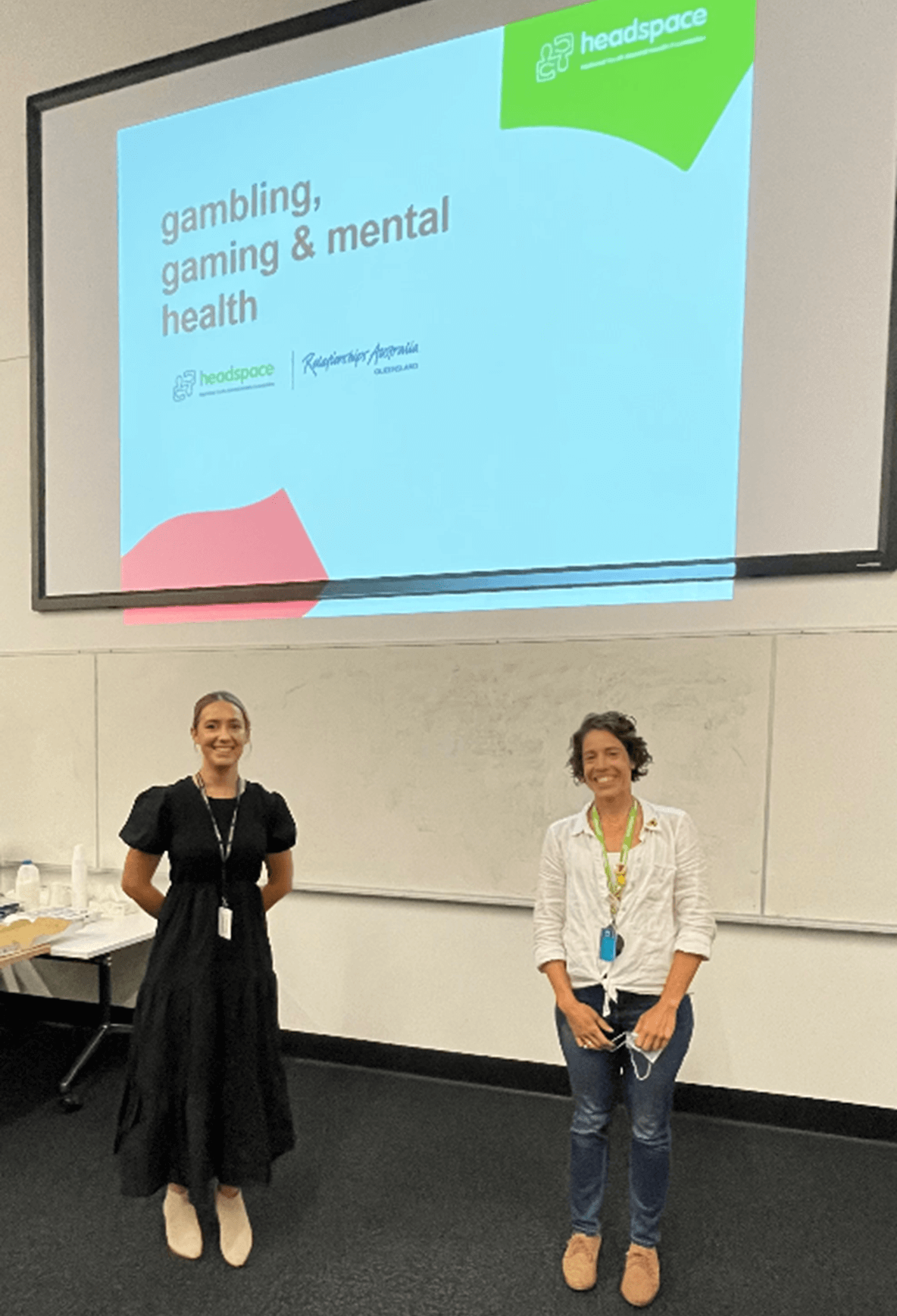
Relationships Australia and Headspace have teamed up to collaborate with support and advocacy efforts in the youth gambling space.

We work in local communities to start the conversation around young people and gambling, educate the community on how to detect problems associated with gambling, and where to find the appropriate support services.

If you or someone you know is experiencing problems with gambling, free, confidential, and culturally appropriate help is available. You can talk to a counsellor by calling the 24/7 helpline on 1800 858 858.

Or you can contact the Headspace national head office on (03) 9027 0100 to find your local centre. Headspace is committed to providing the best possible service to young people.

Are you suffering from working from home burnout?

COVID-related social distancing and self-isolation mandates forced many of us to work from home during the peak of the outbreak.

While some of us have since returned to the workplace, others have remained at home for our 9-5.

Research from September 2021 found that 67% of employed Australians were sometimes or always working from home, compared to 42% before COVID.

Working from home has its perks (sleep-ins, no commute, increased flexibility), but it can also have some pitfalls (blurred boundaries, no change of scenery, loneliness).

If you’re struggling with the latter, you’re not alone.

In a survey conducted by Relationships Australia in 2020, 87% of respondents reported a significant change to their workplace since the start of COVID-19, and 63% of respondents agreed these workplace changes impacted their mental health.

We explore the signs of working from home burnout and tips to look after yourself if you’re struggling.


Psychological Effects of Working from Home

Apart from feeling distracted or struggling to get motivated, working from home can have some more serious effects on our mental health.

Research shows some of the negative impacts of working from home include:

  • Social isolation and loneliness
  • Difficulty ‘switching off’ from work
  • Overworking
  • Stress
  • Depression
  • Anxiety.


What is working from home burnout?

Working from home burnout is more than simply feeling exhausted from your job.

If left untreated, burnout can lead to physical impacts such as high blood pressure, heart disease, a weakened immune system, and cognitive impairment.

Some signs you might be experiencing working from home burnout might include:

  • You have little motivation to do your job
  • You’re struggling to concentrate
  • Your performance is declining
  • You feel irritable and are more likely to snap at others
  • You’re withdrawing from others
  • You feel cynical and negative
  • You’re not sleeping well.


Managing Your Mental Health While Working from Home

We hope these strategies help you prioritise your wellbeing while working from home.

Establish a workday routine

It can be tempting to sleep in until minutes before you clock on for the day, or to stay in your PJs unless you have a video meeting. But this lack of structure could be sabotaging your motivation and general wellbeing.

Establishing a routine can help you get into ‘work mode’ and maintain work-life balance.

Some basics of a healthy work-from-home routine might include:

  • Waking up with enough time to make breakfast and change out of your PJs
  • Starting and finishing work at the same time every day
  • Using your coffee and lunchbreaks to take a break from your work and get a change of scenery
  • Activating ‘do not disturb’ on your email and/or work phone outside of work hours.

Use your sick and annual leave

Working from home doesn’t mean forfeiting your usual leave entitlements.

The flexibility and freedom of working from home may make us more likely to power through when we’re unwell.

Perhaps you feel guilty or don’t see the point of taking sick leave if you’re working from the comfort of your own home. But working from the couch isn’t the same as resting, so be sure to take those sick days when you need them.

The same goes for annual leave.

Border closures and travel restrictions may have forced us to cancel our bigger holidays, but it could be more important than ever to take annual leave. A proper break can help reduce stress and the risk of burnout, so be sure to book in some annual leave, even if it’s local.

We discuss the importance of taking annual leave during COVID here.


If you’re having a hard time and need some extra support, counselling might help. Our counsellors can help you explore your concerns and potential solutions in a safe and supportive environment.

You can learn more about our counselling service here, or call 1300 364 277 to make an appointment in person, over the phone, or via video.

Attitudes to Gambling in Different Cultures

Australia is one of the most multicultural countries in the world. Almost 30% of our population was born overseas, and nearly every single country from around the world was represented in Australia’s population in 2020.

Our diversity is one of our greatest strengths.

Harmony Week (March 21st – 27th) encourages us to celebrate this diversity, and highlights the importance of respect, inclusivity, and creating a space where everyone belongs. This Harmony Week, we’ve teamed up with Multicultural Communities Council Gold Coast (MCCGC) and cultural leaders from around the world to share insights on gambling in different countries, and what gambling looks like in Australia within culturally and linguistically diverse (CALD) communities.


Gambling Around the World

It’s amazing just how differently gambling is viewed in different cultures.

While it may be considered a positive social activity in some countries, it’s strictly prohibited in others, such as Poland, Singapore, Cambodia, and the United Arab Emirates.

Whether it’s accepted or not, gambling is a part of many cultures around the world – and Australians are widely reported to be the world’s biggest gamblers.

“With gambling being so prevalent in Australia, particularly Queensland, many people who move here from other countries can perceive gambling as a big part of Australian culture,” explains Gambling Help Services Community Educator Amy.

“These individuals may engage in gambling as a way to integrate into the Aussie lifestyle.”

We spoke to some cultural leaders to learn about the attitudes toward gambling in their country of heritage compared to their experience of gambling in Australia.


Ping – China

“It’s a good thing. It’s accepted. But there are limits.”

Ping explains that China has a very big gambling culture – especially during Chinese New Year.

She says card games are very popular in China, with everyone knowing how to play cards but not always gambling for monetary value. She also notes that it’s common for seniors of the Chinese community who live in Australia to go to the casino.

“It’s seen as a positive thing for seniors for social engagement. It doesn’t have to be a negative thing,” Ping explains.

“It can be a positive thing – especially for seniors – as long as you have the right education. It’s very important to educate people about limits.”

Ping stresses the importance of educating the next generation about safe gambling.

“It’s important for our leaders to educate and guide in the right way – especially with kids gaming online,” she says. “Start with teenagers in high schools and universities.”


Antonella – Argentina

“We have a big and powerful gambling industry.”

Antonella explains that gambling is a big issue in Argentina, with a lot of casinos in the country.

“I never thought that it would be a very safe place for community groups to be in,” she explains.

Antonella also notes that in Argentina, the casino is a popular place for international students and refugees to meet.


Yasuko – Japan

“We need more support for the mental impacts.”

Yasuko describes how gambling is viewed in a negative light in Japan. There currently aren’t any bright and flashy casinos like in Australia, and generally, only men participate.

“Gambling seems to be more appealing and positive in Australia, with bright lights, conversation, dressing up and drinking. It’s a social thing here,” she says. “Japanese people don’t dress up for the horse races like Australians do.”

Yasuko explains that in Australia, she has worked in aged care, where she has taken clients to the casino. “They really enjoyed it. It’s positive for entertainment. But more education and support is needed.”


Frederik – Netherlands

“Once poker machines arrived, hell broke loose.”

Frederik reminisces on life before casinos opened and gambling became more common in the Netherlands.

“Before the casino opened, family relationships were positive. We enjoyed outdoor activities. Once poker machines arrived, hell broke loose.”

He explains how gambling and drug issues brought more crime to the country, and that “drugs and gambling go hand in hand.”


Maria – Hungary

“Gambling is hidden in Hungary, but it’s really in your face in Australia.”

Maria highlights that gambling must be really sought out in Hungary, while it’s extremely accessible in Australia in comparison.

“It’s very hidden in Hungary, and it’s very much in our face in Australia,” she says. “It’s very casual to go somewhere and find pokie machines, for example. It creates a different norm and coping methods for people. The lights and noises are designed to get you in. And once you get high on winning, it’s hard to walk away.”

Maria states that in Hungary, casinos are associated with criminal activities and the upper class. “It’s a hidden world,” she says.

“I believe education is needed regarding the odds and how these games are set up to create compulsive behaviours, taking more reality into this “glamorous” world.”

Maria explains that she believes gambling is a dangerous hobby, and it’s very easy to lose control.

“Most people who participate in gambling in Hungary are vulnerable people who cannot really afford to play or lose big,” she says.

“It would be nice if staff were trained at pubs, where they recognise problematic behaviours. The 24/7 helpline is also a good idea.”


Gambling and CALD Communities in Australia

Research funded by the Office of Responsible Gambling found culturally and linguistically diverse (CALD) communities are vulnerable to increased risks of gambling-related harm.

Individuals from these communities generally participate in gambling less than the overall population but when they do, they’re more likely to experience problems.

“These communities may have existing stressors such as learning another language and integrating into a new culture, feeling disconnected from community groups, and not knowing who to reach out to for help,” Gambling Help Services Community Educator Amy explains.

“These can all contribute to higher risks of gambling harm.”


Gambling Support for CALD Communities

If you or someone you know is experiencing problems with gambling, free, confidential, and culturally appropriate help is available. You can talk to a counsellor by calling the 24/7 helpline on 1800 858 858.

Gambling Help Queensland can provide translator services and help connect you with your local multicultural services. The website can be translated to six other languages and offers information about problem gambling and where to access help.

“The Gambling Help Service can help you explore options and ideas, support you to get through the hard times, and work with you to achieve positive results,” Amy says.

If you need to connect with your local organisation or community group representing your culture, Multicultural Communities Council Gold Coast can help.

There are a lot of different perspectives and experiences of gambling around the world. Coming to Australia where gambling is common and normalised may contribute to increased risk of gambling harm. It’s important for us all, as a community, to be aware of these risks and to know where to get support.

How I Cope with Emotional Burnout: Tips from Practitioners

The last few years have been challenging for many of us.

There’s a lot going on around the world right now, and it’s normal to feel more stressed and anxious than usual. But prolonged excessive stress can lead to emotional burnout – the feeling of being emotionally and mentally drained, or like your cup is always empty.

Some common emotional burnout symptoms might include:

  • Lack of motivation
  • Irritability
  • Low mood
  • Trouble sleeping
  • Reduced capacity to cope
  • Feelings of hopelessness
  • Apathy or feeling ‘numb’
  • Changes in sleep
  • Changes in appetite.

It’s more important than ever to look after ourselves and prioritise our wellbeing.

Some of our RAQ practitioners offer advice to look after yourself if you’re feeling overwhelmed or burnt out.


Know what drains you and what fills you up

I think it’s important to know what drains you and fills you up. It’s a balancing act of getting the right flow each day so you can be present. I find that mindfulness is key to really focus on people and moments and appreciate all of it.

Exercise, nature, and spending time alone work for me – but some people need others to recharge, so knowing this is key.

Susan, Regional Manager


Limit exposure to the news

There can be a social pressure to stay up to date with the news, but this can trap us into the news cycle, and it can get exhausting.

20 years ago, we had the 6 o’clock news, but now there’s a 24-hour cycle that’s global, and sometimes catastrophic. It can lead to emotional burnout. So my tip is to turn off the news and watch a fun movie. This might involve revisiting your favourites as a child, like Finding Nemo or Scooby Doo.

Helen, Regional Manager


Break up your day with some fresh air

As many of us balance our new way of life with more days working from home than in the office, I think it’s important to try to break up the day as it’s coming to an end.

I always make sure I have time outside at the end of every day, even if it is only a quick walk around the block. Fresh air can do wonders for how you feel. Fresh air and plenty of water would be my number-one tip for taking care of yourself during these unprecedented times.

Tim, Centre Manager


Keep in touch with support networks

Having a partner, family, and friends I can connect with – even if just to share a quick hello with or a funny photo through Messenger – can lift spirits.

I make a point to contact someone from my circle of family and friends each day just to let them know they’re in my thoughts, and the benefit of doing that is mutual.

Karen, Clinical Supervisor


Consider your perspective

What helps me feel more relaxed and balanced is when I remember that I can choose my perspective in any given situation; I can choose what meaning I attach to my experiences. This is emotional freedom to me.

Kate, Senior Supervisor


If you’re having a hard time and need some extra support, talking to a counsellor might help.

You can learn more about our counselling service here, or call 1300 364 277 to make an appointment in person, over the phone, or via Zoom.

Potential Long-Term Mental Health Impacts of COVID-19

COVID has changed our daily routines, separated us from loved ones, and put a pause on our future plans.

While it’s important to acknowledge that some people have suffered from COVID-related issues such as loneliness, loss of income, or increased rates of domestic violence, there have been some positive outcomes from the pandemic too.

Some people might be feeling more grateful for their friends and family, making increased efforts to spend quality time together post-lockdown.

Or perhaps they’re enjoying the flexibility of working from home as this has become a more common practice throughout businesses.

COVID has impacted everyone in one way or another.

We explore some of the potential lasting mental health and behavioural impacts of the pandemic.


Anxiety around our health

It’s reasonable to feel more worried about your physical health than you were before the pandemic.

You might find yourself singing ‘Happy Birthday’ in your head (twice) while washing your hands for the foreseeable future.

Improved hygiene practices aren’t necessarily a bad thing, but if excessive stress or fear around your health are negatively impacting you, it might help to speak to a counsellor.


Hesitation to make big plans

COVID has demonstrated how life can change very quickly (and very unpredictably) from one day to the next.

This ongoing uncertainty has some of us putting off future plans (like booking a holiday) or big life changes (like buying a house or changing jobs) until we feel like things have gone back to “normal”.

We explain why you should still take leave during COVID in this blog post.


Mental fatigue

Changing COVID mandates can be hard to keep up with. They require us to think through our daily routines in a way we’ve never had to. For example, the simple task of buying the groceries or going out for a meal.

“Before COVID-19, we walked through the door of a building,” an RAQ practitioner explains.

“Now we have to QR scan, put on our masks, and stay 1.5 metres apart. We make conscious decisions about how to enter a building, whereas a year ago, we just walked in.”

All this conscious decision-making can be exhausting and can impact our mental health and resilience.


Smaller – but closer – social networks

If COVID caused you to lose touch with some friends but become closer with others, you’re not alone. Research shows a lot of people ‘pruned’ their social connections during lockdowns, choosing to connect only with the people we were closest to.

It’s possible this ‘quality over quantity’ attitude toward friendship might continue as we prioritise our time and effort to nurture our close relationships. You can read more about how COVID has impacted our friendships in this blog post.

If you’re having a hard time or want to explore how COVID has impacted you, talking to a counsellor might help. You can learn more about our counselling service here, or call 1300 364 277 to make an appointment in person, over the phone, or via Zoom.

Has COVID changed your friendships?

The pandemic has made many of us re-evaluate our relationships.

It’s taken more effort than ever to stay in touch with the people we care about. We’ve had to be more deliberate with texts, calls, FaceTimes, and one-friend-at-a-time daily walks.

This has brought some friendships closer and caused others to drift apart.

Lockdowns and logistics aren’t the only factors that changed our friendships during COVID. Opposing views around mask mandates and vaccinations may also have caused rifts between friends.

This isn’t necessarily a bad thing; it’s normal for friends to come and go throughout our lives. But maintaining some connections is important to prevent loneliness.

We explore how COVID has impacted our social lives and the importance of friendships for our mental and physical wellbeing.


Taking Stock of our Friendships

If you left lockdown with fewer friends, you’re not alone. Research shows many of us saw our friendship groups shrink due to venue closures preventing in-person catchups, and pandemic stress causing us to only want to connect with the people we were closest with.

Restrictions on group activities meant we weren’t running into the acquaintances and ‘sometimes’ friends we see at social events but wouldn’t necessarily spend one-on-one time with.

We were prioritising the people we care most about, and ‘pruning’ (whether consciously or not) the friendships that were superficial or already dwindling. You know what they say: quality over quantity.


The Importance of Connection

A 2020 study showed phone calls (59%) and video chats (57%) were the most popular ways to stay in touch from a distance, while texting and smartphone apps (e.g. What’sApp and Facebook Messenger) came in at 38%.

But even with technology at our fingertips, some of us isolated ourselves during lockdowns. The survey showed 7% of people weren’t keeping in touch with loved ones at all.

“I’m withdrawing. Communicating through media is draining,” a respondent stated.

It’s no surprise that 45% of us reported increased feelings of loneliness since COVID in 2020.

Research shows loneliness is as bad for us as smoking 15 cigarettes per day. It’s a major risk factor for mental health issues like depression and anxiety. Loneliness is also associated with an increased risk of heart disease, stroke, and high blood pressure.

Human connection is a core need and losing that connection can significantly impact our wellbeing.

If you’re feeling lonely but would rather isolate yourself than maintain your friendships, it might be a sign your mental health needs attention. Talking to a counsellor might help. You can learn more about our counselling service here, or call 1300 364 277 to make an appointment.

Nervous about kickstarting your social life? You might find these tips helpful: Coping with Social Anxiety as Restrictions Ease