1300 364 277
Quick Exit
This button appears across the site. Press this button to exit the site immediately to nondescript link
Click to close or press

How to Keep the Romance Alive When You’re Working from Home with Your Partner

Living and working in close quarters with your partner can take its toll.

It’s normal to feel crowded and crave some breathing room when sharing a space 24/7 – no matter how strong your relationship is.

You might find yourself becoming irritated by habits you’d never noticed before. Or perhaps you simply miss having some privacy throughout the day.

We hope this advice helps keep the romance alive and the tension at bay if you’re working from home with your partner.


Separate Your Workspaces

Avoid working in the same room if you can. It can help to have your own workspace to take calls and stay focused without someone typing away in the background.

If your home doesn’t have the space for two work areas, try separating your spaces with a room divider or tall plant. If all else fails, noise-cancelling earphones can create a sense of privacy (and hint that you’re not up for a chat).


Schedule in a ‘Do Not Disturb’ Period

Agree on a timeslot dedicated to ‘quiet time’ each day to eliminate distractions. This means no talking or texting each other until the time is up.

Whether it’s an hour or four, this allows you to focus on your work without your partner popping in to ask about dinner plans or to show you that funny dog meme.


Find Pockets of Alone Time

Depending on COVID restrictions in your area, you may be able to get out of the house and have some time to yourself.

You might like to eat your lunch at your favourite picnic spot or take a quick walk around the neighbourhood. If you’d rather stay indoors, you could create your own oasis in the bedroom by hanging fairy lights and reading or listening to a podcast with the door closed during your lunchbreak.

Sneaking in some solo time each day can make a huge difference if you’re feeling tapped out and short-tempered at home.


Prioritise Quality Time Together

It can be easy to take your partner’s company for granted when you spend all day under the same roof.

You might miss the days when you couldn’t wait to get home from work to share stories about your day. But when you’re working within metres of each other, it might feel like there’s not much left to talk about come knock-off time.

It’s important to make time for non-work-related conversations to maintain your friendship and intimacy outside of work hours.

Date nights are another great way to book in some romance. You might like to do something special like cook dinner together while listening to your favourite music, or have a board games night for some friendly (or flirty!) competition.

And don’t forget to keep up the physical affection and words of affirmation. A hug here and an “I love you” there can help show your love and appreciation throughout the day.


Everyone handles stress differently. And while it’s normal to feel irritable and overwhelmed to an extent, it’s important to seek help if you’re struggling to cope.

You can call us on 1300 364 277 to make an appointment with a professional counsellor over the phone or via video chat, or learn more about our counselling services here.
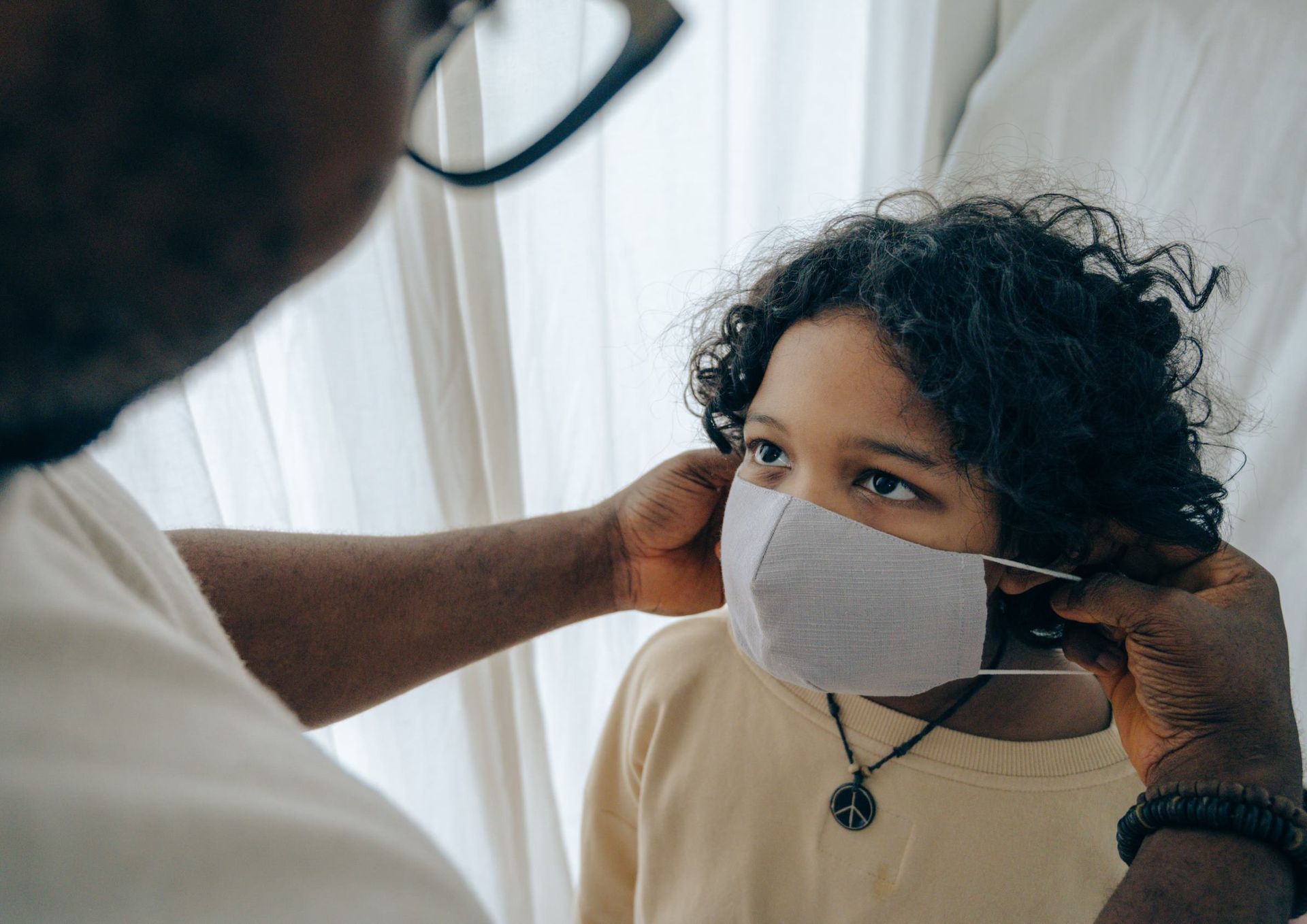

“What if parents disagree about their child getting the COVID vaccine?” and other FAQs

For many parents, COVID-19 has added to the stress of already difficult family circumstances.

Your usual co-parenting arrangements might be disrupted by new challenges such as school closures, travel bans, social distancing, mask mandates, and conflicting opinions around vaccinations.

These changes may be causing some uncertainty and anxiety for you and your child.

We hope this information helps if you have questions about COVID impacting your situation.

As always, your child’s safety and best interests should be your main priority.


What can I do if my co-parent doesn’t want our child to get the COVID vaccine?

As the COVID vaccine becomes available to children, disagreements between parents may arise.

If safe to do so, you should discuss your concerns with your co-parent in a calm and respectful manner. This is a difficult time for everyone, so try to approach these conversations with empathy and understanding.

Both parents should refer to the same credible information about the vaccine, and seek professional advice from a trusted GP or specialist immunisation service

If you’re struggling to communicate respectfully or reach an agreement, mediation services or Family Dispute Resolution (FDR) may be a helpful option.

Our practitioners explain what mediation involves and how it can be beneficial in this blog post: What is Mediation?


Can I take my co-parent to court over the COVID vaccine?

If you’re unable to reach an agreement with your co-parent following mediation or FDR, going to court may be a last resort. This option can be greatly emotionally and financially taxing, so it’s best avoided wherever possible.

Further information, advice or referral to telephone-based dispute resolution services can be found on Family Relationships Online or by calling the Family Relationship Advice Line on 1800 050 321.


I have to isolate and can’t follow our Family Court Orders, but my co-parent is pressuring me to follow them. What should I do?

If COVID-19 health directives interfere with court orders, as a first step, and if it is safe to do so, you should discuss the situation with the other parent to see if you can agree on changes to your parenting arrangements.

If you’ve received written directives to isolate, it may also help to share these with the other parent.

Parents or carers must act reasonably at all times. If a Court Order isn’t followed, the Court will consider whether the person had a reasonable excuse for not complying with Court Orders. A reasonable excuse may include that it was necessary to protect the health and safety of a person.

Every family’s situation is unique, so you may like to obtain independent legal advice from a family lawyer to help you understand your legal responsibilities.


Our orders can’t be followed as one parent/guardian isn’t vaccinated. What should we do?

If you have concerns that you or the other parent can’t follow your parenting orders due to vaccination status, you should seek independent legal advice from a Family Lawyer.


Can the Police enforce our parenting orders if they’re not being followed?

No. State police aren’t able to enforce parenting orders and are unable to get involved unless there are serious safety concerns for the child.

Parenting orders can only be enforced in the Court where they were made. If you’re concerned that a party may have breached a parenting order, your first step should be to engage in mediation and/or seek legal advice.

If you believe your children are in immediate danger, please contact the police in your state on 000


Helpful Resources for Parents

We have more tips for co-parenting during COVID here: Co-Parenting During COVID-19

Coping with Holiday Stress: Tips from RAQ Practitioners

Are the holidays making you more stressed than merry?

Maybe you’re feeling overwhelmed with the dizzying list of demands such as shopping, cooking, and entertaining. Or perhaps this time of year brings up difficult feelings for you.

Some of our RAQ practitioners share their top tips so you can protect your wellbeing and give yourself the gift of self-care this silly season.


Remove Expectations

We can feel pressured to celebrate in a certain way (e.g. with family, travelling, with lots of gifts). Know it’s OK if this isn’t the way you want to spend your time. If Christmas for you means spending the day at home with a good book, that’s OK.

Georgia – Senior Practitioner


Know Your Limits

Just because you’re family, it doesn’t mean your views align with each other’s. When those prickly topics come up, know when you need to exit, and have a plan to make it happen.

Kate – Senior Practitioner


Limit Social Media Use

It could be triggering to go on social media and see families spending time together and make unhealthy comparisons. Check in with yourself as to whether you need to have a day offline.

Alanna – Senior Practitioner


Take a Nap

Give your body and brain a chance to recharge on those go-go-go holiday marathon days. Even 20 minutes will make a big difference.

Tim – Practice Manager


Remember to Breathe

When feeling overwhelmed, close your eyes, place your hands on your belly, and just tune in to the sensations around the inhale and exhale. Taking 5-10 slow, deep, conscious breaths in and out of the belly can calm and centre you in any situation. The beautiful thing is it’s free, you can do it anywhere at any time, and no one needs to know.

Shirley – Relationship and Family Counsellor


Observe Your Vices

It can be easy to overlook how much you embrace your vices (e.g. excessive food consumption, alcohol use, smoking) when times are stressful. Try to set yourself some goals to limit how much you rely on these.

Kate – Senior Practitioner


Stay Centred

This year, there are many of us who are really going to miss seeing our loved ones. So we’re going to be sad and wobble. But that’s OK. A strategy I use to manage strong emotions is to imagine myself as a coconut tree in a storm. I can choose to be the leaves being tossed around madly, or I can be like the trunk and bend with the intensity and stay centered, knowing it will pass. If you feel overwhelmed, choose a place where you sit and be the trunk of a beautiful coconut tree.

Helen – Regional Manager


If you need extra support during this period, we’re here to help. You can learn more about our counselling service here, or call 1300 364 277 to make an appointment.

It’s OK to Need a Break from COVID

COVID-19 has been the hottest topic for nearly two years now. No matter where we go or who we speak to, it seems we can’t escape news or discussion of the pandemic.

It’s normal to feel overwhelmed and need a break from this heavy topic – especially as we near the holiday period and want to focus on lighter things.

We hope this advice helps if you’re feeling burnt out by COVID mania.


Put a time limit on your news consumption

While it’s important to stay informed and be aware of the latest restrictions and health directives, too much “doomscrolling” can cause unnecessary stress and fear.

Try to limit your check-ins with the media to avoid overexposure to negative news, particularly at vulnerable times of the day, such as right before you go to sleep.


Express your boundaries early

COVID is impacting us all, and it’s only natural friends, family, and colleagues will want to talk about it at some point. If you’re feeling overwhelmed and want to avoid the topic, be sure to let the people around you know.

You could tell them how you’re feeling before you see them to ensure you’re on the same page. For example: “COVID has been making me feel stressed lately. Can we please stick to lighter topics today?”

Or you could let them know you’re open to a quick COVID-related vent but would like to steer the conversation to other topics for the rest of the interaction.


Have other topics prepared

Consider the things you would like to discuss, and have some questions ready to go before you meet. This can help ensure your conversation stays on track and there are no awkward silences that tempt you to default back to COVID chat.

Some conversation-starters might include:

  • What have you been watching/reading lately?
  • What are you doing for Christmas?
  • Do you have any New Year’s resolutions?
  • Did you achieve this year’s resolutions?
  • How have you been spending your weekends?


Don’t repress your feelings

While it may help your mental wellbeing to take the spotlight off COVID, avoiding or repressing negative emotions altogether can cause more harm than good down the track.

Many of us are feeling stress and anxiety around COVID-related issues. You might be nervous about the uncertainty of the future, or maybe you’re grieving cancelled plans. Whatever it is, it’s important to acknowledge and process those feelings. Talking to a counsellor can help with this.

RAQ provides confidential counselling in person, over the phone, and over video chat. You can learn more here, or call 1300 364 277 to make an appointment.

How are you really doing? We list the signs you might be struggling during COVID in this blog post.

Tips for Parents Struggling During COVID

COVID has caused stress and burnout for a lot of parents. Lockdowns and home-schooling had us scrambling to keep our kids safe and entertained while we tried to hold onto our own sanity.

And even as restrictions ease and vaccine rates rise, the domino effects of COVID are still taking a toll on parents.

Raising kids is tough enough without the added challenges of the pandemic. You might be weighed down by uncertainty about the future. Maybe you have a newfound anxiety around your children’s health and hygiene. Or perhaps, like many, you’re simply exhausted by the increased time spent together in close quarters.

We hope this advice helps if you’re struggling with parental burnout during COVID.


Signs you might be struggling

While parenting is innately tough a lot of the time, these signs may indicate your mental health is suffering and you need some extra TLC.

  • Feeling tired and overwhelmed most of the time
  • Feeling more irritable and impatient than usual
  • Emotionally distancing yourself from your children
  • Feeling like you’re failing at parenting
  • Changes in your usual sleeping and/or eating patterns
  • Losing interest in hobbies and interests you normally enjoy
  • Wanting to isolate from the people around you
  • Having a strong lack of motivation and/or energy
  • Feeling hopeless and/or depressed
  • Using alcohol/drugs more than usual
  • Neglecting your own hygiene and appearance.


Looking after yourself

Here are some ways to manage stress and avoid burnout when you’re feeling overwhelmed as a parent.

Lean on your support networks

It’s not always easy to stick your hand up and say you need help – especially when it comes to parenting. But asking for and accepting help from loved ones can lighten the load and make a huge difference for you and your whole family.

Maybe you need a hand with practical day-to-day tasks, or maybe you just need another parent to vent with. Whatever they can do to make things a little easier, don’t be afraid to reach out and keep your support network close.

Prioritise downtime

We get it: parenting is a 24-hour gig. But self-care doesn’t have to take up hours of your time.

Even just a 30-minute read before bed or 10-minute meditation and/or cup of tea in silence can make all the difference to help you feel grounded and calm your nervous system.

Making the time for self-care is half the battle – feeling guilty about it is a whole other ballgame. Try to remind yourself that you’ll be a better parent for it, and you’ll be modelling the importance of self-care to your children.

Seek professional help

If you’re struggling to cope on your own, speaking to a counsellor can be a positive first step to addressing your mental health.

Talking to a counsellor in person, over the phone, or over Zoom can help you make sense of your feelings and identify potential solutions. You can learn more about our confidential counselling services here or call 1300 364 277 to make an appointment.

You can find more tips to manage your mental health during COVID in this blog post written by one of our mental health professionals.

How to be There for Someone Struggling During COVID

Written by Shirley Hussie – Relationship and Family Counsellor

The flow-on effects of COVID are still impacting us in one way or another.

Lockdowns and social distancing forced couples and families to spend more time together, putting extra pressure on relationships. For some couples, COVID has been a catalyst for breakdown in the relationship, leading to high levels of conflict and separation.

Some of us are experiencing the financial stress from loss of income, or the stress of working from home and having to home-school children.

Some young people are struggling to feel excited about their future, and there’s a general feeling of uncertainty about the state of the world.

It’s easy to feel helpless when someone you care about is having a hard time coping. We hope this advice helps you support them and maintain your own mental health during this time.


Signs Someone Might be Struggling

The best way to determine whether someone is struggling is to ask them, but these signs may indicate someone is having a tough time with their mental health:

  • Irritability or edginess
  • Withdrawing from friends and family
  • Being less responsive to texts and calls
  • Reports of changes in sleeping/eating
  • Increased use of alcohol and/or drugs
  • General changes in behaviour
  • Using social media to voice their concerns or ceasing to be active on social media.


How to Check in with Someone

These conversations aren’t always easy, but taking the time to check in lets your loved one know someone cares and they’re not alone.

The best way to support someone struggling is to create space for them to be heard. Ask if they’re OK, and truly listen and validate their feelings and concerns. Empathising with their situation can make the world of difference.

If you’ve picked up on some concerning behaviours, you can use those examples to start the conversation. For example, “I’ve noticed you haven’t been coming to as many social events. I’m just wondering how you’re doing at the moment?” 


Maintaining Your Mental Health During COVID

If you or someone you know is struggling, seeking support is a positive and powerful first step. You can seek support from a trusted friend or family member or get in touch with an organisation or private mental health provider.

A problem shared is a problem halved, and knowing that we’re not alone at this time is extremely important and helpful.

We could all benefit from some extra self-care right now. All this stress can have significant impacts on our life. It impacts us physically, mentally, emotionally, and spiritually.

Simple techniques to calm the nervous system and de-stress include:

  • Spending time in nature
  • Focusing on your breath
  • Going for a walk or run
  • Simply resting and being still
  • Listening to calming music
  • Meditating
  • Spending time with loved ones.

RAQ provides confidential counselling in person, over the phone, and over video chat. You can learn more here, or call 1300 364 277 to make an appointment.


 Shirley Hussie is a Relationship Counsellor with over 20 years’ counselling experience.  Shirley has been with Relationships Australia QLD since March 2009 and has had extensive experience working with couples in conflict and couples at risk of separation as well as families at risk of breakdown.


Outside of RAQ, Shirley works in private practice as a Coach and Counsellor working with individuals and couples who struggle with unhealthy lifestyle habits including drug and alcohol addiction.  She helps them make positive change and regain control of their lives so they can thrive rather than survive.

Shirley’s passion for Counselling and Coaching is matched by her passion for transforming lives. This passion for transformation is at the heart of Shirley’s work for RAQ.

How to Tell if Your Mate is Struggling

Does your mate seem a bit off lately?

No one likes to see someone they care about struggle, but it can be hard to know how to help. Learning how to recognise the signs a friend might be depressed is a great place to start.

Research shows one in six Australians is currently experiencing depression or anxiety – or both.

Asking your mates about their mental health can help remove the stigma and support them through a tough time. Because let’s face it – with the busyness of everyday life and the craziness of COVID, a lot of us are feeling out of sorts.

We hope you find this advice helpful when your loved one is struggling.


Signs your friend might be depressed

Everyone experiences depression differently. While these behaviours aren’t always an indication of depression or any other mental health condition, they are some signs to look out for if you’re worried about your mate.

  • They’re irritable or moody
  • They appear teary and/or tired
  • They report changes in sleep and/or eating patterns
  • They don’t have as much energy as they normally do
  • They’re engaging in risky behaviour such as substance abuse
  • They report physical issues like headaches or stomach problems
  • They’ve lost interest in the activities or hobbies they normally enjoy
  • They have a negative or hopeless outlook (e.g., “What’s the point?”)
  • They’ve withdrawn and don’t respond to messages or attend social events as often.

These are just some signs your friend may be experiencing depression. Any changes in behaviour and/or mood might indicate they’re facing some challenges, so the best you can do is ask how they’re going.


How to help a friend with depression

A strong support network can make all the difference for someone struggling with their mental health. Here are some ways you can help your mate on the road to recovery.

Learn about depression

Learning the signs and symptoms of depression can help increase your understanding and empathy. It can also help you be patient when they may seem withdrawn or ‘in a bad mood’. Knowing more about the condition is a great first step.

Check in casually

The stigma around mental health and depression is decreasing, but that doesn’t mean it’s not uncomfortable to talk about sometimes. It doesn’t have to be a big deal; you can casually raise the topic during friendly conversation.

Some ways to bring it up might include:

  • How have you been going?
  • You’ve seemed a bit off lately. How are you?
  • Sounds like work/school/home life has been causing you stress. Want to talk about it?

Let them know you care

Offering a non-judgemental ear can help more than you know. Let your mate know you care about them and you’re there if they need to talk.

If you’re not sure what to say during these heavier conversations, a simple “That sounds really hard” or “I’m sorry you’ve been dealing with that” can help validate their feelings.

Don’t forget to follow up and check in with them to see how they’re going.

Encourage them to get help

If you think your mate could use some extra support, you might like to gently encourage them to seek professional help.

Counselling can be a good option for anyone going through a rough patch. RAQ offers confidential counselling in a supportive and respectful environment. Call 1300 364 277 to learn more or make an appointment.

Caring about someone with mental health struggles can be hard, so don’t forget to take care of yourself too.

If you are in an emergency or there is an immediate risk of harm to yourself or others, please call 000.

We offer more advice to talk to a mate about mental health in this blog post.

How to Talk to Loved Ones Who Don’t Share Your Views Around COVID

Written by Val Holden – Relationship and Family Counsellor

We don’t always share the same beliefs as our family members. In fact, we may have very different opinions about all sorts of things, and that’s OK – most of the time.

There are some subjects we know to avoid at the dinner table if we want to keep the peace. For some families, that might include issues related to COVID-19, like mask mandates and vaccinations.

Over the last two years, we’ve been inundated with information about COVID-19, and we’ve all formed opinions and beliefs as a result.

We hope this advice helps you communicate effectively and maintain healthy relationships if you’re butting heads with loved ones over COVID-19.


Have patience and understanding

People across the world have had their lives turned upside-down by COVID-19 in many ways, including financially, emotionally, and psychologically.

COVID has created an element of fear and brought about some unusual behaviours for some of us. Remember how quickly toilet paper flew off our shelves at the first sign of lockdown?!

It’s helpful to remember that circumstances are unusual right now and we all need to have some extra patience and understanding for each other’s behaviour. Chances are there’s some fear and uncertainty driving it.


Be respectful

Respect is key in any relationship. This includes respecting another’s right to their point of view, beliefs, and feelings.

Let them know you love them whether you agree with them or not, and make sure they understand it’s important to you that the relationship continues (if this is what you want).

As frustrating as it can be to bite your tongue, it’s not up to you to make everyone agree with your beliefs.


Speak with kindness

Similarly, it’s important to be kind – even when you’re feeling frustrated. The last thing you want is to speak down to your family members or come across as condescending or arrogant. Don’t put them down or make them feel inferior for their beliefs.

If you feel the conversation is escalating from a discussion to an argument, you can try to keep things calm by:

  • Maintaining a calm tone
  • Relaxing your posture and body language
  • Taking a deep breath
  • Stating you don’t want to argue and asking to change the subject.

It can also help to validate their feelings, even if you don’t agree with them. For example, you might say: “I can see this is really important to you.” This can help them feel heard and respected.


Put the topic on pause

It’s OK to assert boundaries and put a topic on pause if it’s only causing friction.

Ask your family member if you can talk about it another time. Or agree to disagree, keep the topic off the table entirely and focus on all the positive things in your relationship instead.

It can even help to have some space from the relationship if you need to. This can give both of you some time to calm down and separate your loved one from their opinion before you see each other again.


Seek help for effective communication

Counselling can be a great option for people who struggle to communicate or need support repairing a relationship. It provides a neutral, non-threatening space to explore your feelings and work together on a solution.

It’s not about who’s right or wrong; it’s about communicating effectively and maintaining a healthy, respectful relationship.

A lot of the time, relationships can be stronger after a rift – especially when both people are open and want to rebuild the relationship.

You can learn more about our relationship counselling here, or call 1300 364 277 to make an appointment.

Another RAQ mental health professional shares their advice for managing your mental health during COVID-19 in this article.


Val Holden is an experienced family and couples therapist. She has a Masters Counselling, Bachelor Counselling, and a Grad Certificate of Business Management.

Val has more than 20 years’ experience in management of counselling services and delivery of direct client practice in the not-for-profit industry.

How to ask for Help When You’re Not Doing Great

Asking for help isn’t always easy.

If you struggle with your mental health, you may already be getting help from a mental health professional. But the support from the people around you can make all the difference on your road to recovery.

We offer some advice if you’re not sure how to ask for help when you’re depressed or having a hard time.


Face the feelings

Acknowledging you’re struggling, naming the feelings, and identifying your triggers can help you gain insight into your situation. This can make it easier to communicate your struggles to someone else.

Even if you don’t want to – or simply can’t – describe exactly what you’re feeling or explain why you’re feeling so down, it can still help to admit you’re not feeling your best. Simply sharing that with someone you trust can be an important first step and stop you from feeling stuck or alone.


Identify your needs

What would help you feel better right now? What do you need from your friends, family, or workplace to improve your situation or get you through it a little easier?

For example, you might just need a friend to listen when you need someone to talk to. You might need your partner or family to help with self-care and errands. Or maybe you need to lighten your load and increase flexibility at work.

It can help to clarify your needs and expectations before reaching out. Consider what you hope to get out of the conversation beforehand.


Speak up when you feel most comfortable

Some people prefer to seek help when they’re having a good day, as they might feel they have more control over their emotions and can express themselves more clearly.

Some might like to slip it into conversation casually, while others might choose to schedule a time to specifically discuss the topic.

There’s no right or wrong way to reach out for help. Whether you’re approaching friends and loved ones, your GP, or a mental health professional, they can help you cope with your symptoms – all you have to do is ask.

RAQ offers professional and confidential counselling for anyone who’s doing it tough. You can learn more about our counselling service here, or call 1300 364 277 to make an appointment in person, over the phone, or via Zoom.

You and/or your loved ones might find our tips to support someone with depression or anxiety helpful.

Managing Your Mental Health During COVID-19

I’m feeling exhausted and my mental health is suffering. Why is this happening?

An RAQ mental health professional explores the ongoing mental health impacts of COVID-19 and offers advice to look after your emotional wellbeing.

“In the year 1800, not a single country had a life expectancy over 40 years of age. The world has changed.” – Anonymous

It’s indisputable that our world has changed with COVID-19. And it’s changed in so many ways – from the extreme impacts such as a growing mortality rate of nearly 5 million people dying, to less extreme impacts of not being able to buy toilet paper. These changes are affecting all of us.

The good news is that from birth, we’ve been learning to adapt our behaviour to our environment. We learn that we need to adapt to survive.


Effects of Living in a Post-COVID World

When we were young, we learnt the stove top is hot, and we didn’t touch it again. We learnt that it’s dangerous to run on the road, so we walk on the footpath instead.

So, what’s changed with our adapting skills?

Psychologist John Leach has spent his career studying survival and says there are two types of survival behaviour: intrinsic and extrinsic.

Intrinsic survival refers to how we live in our regular lives. These are the routines we can expect in our day-to-day environment, like staying on the footpath to walk into the shopping centre.

Extrinsic survival is about the behaviours we need to survive in an environment we haven’t previously experienced – like living through a kidnapping or a global pandemic.

Leach says we’re more exhausted right now because we’re relying so much more on our intrinsic survival mechanisms – basic behaviours like how to enter a building.

Before COVID-19, we walked through the door of a building. Now we have to QR scan, put on our masks, and stay 1.5 metres apart. We make conscious decisions about how to enter a building, whereas a year ago, we just walked in.

Another example is picking up the dry cleaning. Pre-COVID, it was a 5-minute trip including parking. Now we wait outside on the footpath until the number of allowable people per square meter rule lets us enter. We scan the QR code to check in, speak through our masks, distance from anyone else, and ensure we do a cashless payment. These are all new intrinsic demands we didn’t need to consciously think about before COVID.

All this conscious decision-making is having an impact on our mental health. With the constant demand to keep managing new situations, including everchanging COVID-19 mandates, our ability to manage our adaptive behaviours is lessening. It’s wearing down our resilience and making us tired because we’re thinking through our daily routines in a way we’ve never had to.

Added to this is a loss of our traditional supports systems, like not always knowing who our neighbours are, or who is delivering our Uber Eats. We’re living more in isolation with fewer friends and social connections, which increases the acuteness of feeling exhausted.

So, what can we do?


Looking After Yourself During COVID-19

COVID has impacted all of us, and we’re all doing our best to cope – but that doesn’t mean it isn’t hard sometimes. Here are some tips to prioritise your mental health and encourage your wellbeing.

Be kind to yourself

Acknowledge it’s a demanding time. It’s OK to feel exhausted; a lot of us are. The evidence is on your side that you should be feeling a bit burnt out. Book in some time out for yourself, like going for a walk around the block.

Accept that you don’t need to know all the answers

If you’re a working parent who is home-schooling your children, you probably don’t know year 9 statistics – and that’s totally understandable. It was tough the first time around, and even tougher the second time. See if you can find an affordable online tutor to help or ask the teacher for their ideas.

Limit your alcohol intake

A glass of wine might feel like an essential survival aid – and that’s great if you can keep to a limit. But one glass can turn into two, and before long, you could be drinking a bottle a night. Instead of having another glass, do something different. Give your pet a cuddle, or put on your favourite music and sing some bad karaoke.

Ask for help if you need

It’s OK to feel a bit wobbly right now. But it’s important to ask for help if you’re struggling to cope on your own. There’s a lot going on, and conversations with trained counsellors can help. More people are asking for help, so it’s OK if you need to as well.

There may be a lot of uncertainty around the future with COVID restrictions and ever-changing updates. But we can all do what we can to look after ourselves right now, and keep the conversation about mental health going.

RAQ provides confidential counselling in person, over the phone, and over video chat. You can learn more here, or call 1300 364 277 to make an appointment.