1300 364 277
Quick Exit
This button appears across the site. Press this button to exit the site immediately to nondescript link
Click to close or press

How are you REALLY doing? Signs You Might be Struggling During COVID-19

It’s coming up to two years since COVID-19 changed the world as we know it.

As the post-COVID world we’re living in starts to feel like the new normal, it can be easy to ignore the impacts it’s still having on our mental health.

A lot of us are feeling anxious about the uncertainty of the future, while others might simply be feeling ‘meh’ and struggling to find motivation.

It’s important to keep checking in with ourselves and prioritising our mental health during COVID. Because no matter how long we’ve had to adjust to these strange times, there may still be ongoing impacts to our emotional wellbeing.

We’ve listed a few signs you might not be feeling your best and need to give yourself some extra TLC.


You feel lonely, but you can’t be bothered talking to anyone

You miss social interactions, but the thought of another half-hearted FaceTime with friends talking about today’s case numbers makes you want to hide under the covers. Our friends who’ve been stuck in lockdown for a while might especially feel this.

There’s not a lot to talk about when you can’t leave the house. You might not want to talk about how you’re doing because you’re tired of complaining. You might not have the emotional capacity to listen to your loved ones vent when you’re struggling with the same stuff. And your friends in other states with different restrictions might not be able to fully understand what you’re going through.

Research shows loneliness is as bad for us as smoking 15 cigarettes per day. It’s a major risk factor for mental health issues like depression and anxiety.

If you’re feeling lonely but would rather isolate yourself than maintain connections, it could be a sign your mental health needs attention.

Lonely working from home? These tips might help.


You’ve been eating unhealthily and/or drinking more

If you’re relying on food or substances for happiness or comfort at the moment, you’re not alone.

A 2020 study found almost a third of us (28%) have increased our drug or alcohol consumption since COVID-19. This could be due to boredom or to manage or alleviate negative emotions.

The same could be said for comfort food. Some of us are reaching for sweet and fatty foods as an easy dopamine hit, temporarily making us feel happier when there’s not much else to do.

Unhealthy habits can be a sign of deeper issues like stress and depression. If your diet has become unbalanced or you’re reaching for drugs or alcohol more often, it might be time to check in and take stock of your emotional state.


You’re not interested in the things you used to look forward to

Don’t get excited about the things or people that used to get you out of bed in the morning? This is a common sign of depression.

It might feel a bit harder than usual to summon motivation to do the things these days. But if you’ve lost interest in the hobbies, sports, or social activities you normally enjoy, it could be time to take steps to address your mental health.

Talking to a counsellor in person, over the phone, or over Zoom can help you identify issues impacting your life and find solutions that work for you. Learn more about our confidential counselling services here or call 1300 364 277 to make an appointment.

Clinical Supervisor Kylie Turner offers tips to look after your mental and emotional wellbeing during COVID-19 in this helpful article.

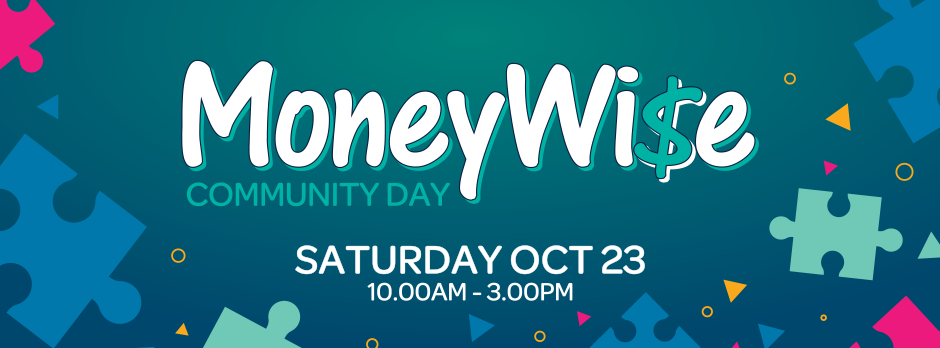
MoneyWise Community Day 2021

How’s your financial literacy?

Financial literacy is a skill like reading or writing. You can learn to take control and reduce your stress.

MoneyWise Community Day offers free workshops with experts who can help you put the pieces of your money puzzle together.

There will also be a jumping castle, giant Jenga, face painting, balloon animals, live entertainment and more.

Come down and let the kids play while you talk to experts about budgets, scams, elder abuse, and debt. We’re here to help you reduce financial stress and improve your future.

Located at the Logan City Gardens next to the water park – 12 Civic Parade, Logan Central.

For more information, contact solliver@raq.org.au or call 0437 215 581.

Register to attend workshops you’re interested in here: https://bit.ly/2W613FE

Child Inclusive Mediation: What is it and when is it a good idea?

Written by Karen Marshall – Psychologist and Clinical Supervisor

After separating, some parents may disagree about how they will parent their children. They may debate about how much time the children will spend with each parent, forms of discipline, or schooling and care arrangements.

Mediation services can help parents resolve these disputes and agree on child arrangements, while keeping the best interests of children in mind.

In this article, Psychologist and Clinical Supervisor Karen Marshall explains what ‘Child Inclusive Mediation’ is and when it might be useful.


What is Child Inclusive Mediation?

Child Inclusive Mediation (CIM) encourages the safe and indirect involvement of children in the mediation process, facilitated by a trained child specialist.

The purpose is to support both parents/carers to resolve their disputes, while keeping their child’s needs and interests as their key priority.

Parents who are undertaking face-to-face mediation can agree to have a Child Consultant spend time with their child ahead of that mediation. The Child Consultant will then join the parents’ mediation process to represent the concerns and priorities of the child in that process.

The Child Consultant is a specially trained practitioner and uses specific tools to gain a genuine understanding of the child or young person and their needs.

In their sessions, they explore a range of topics, such as:

  • How the young person feels when they see/hear their parents arguing or saying unkind things about each other
  • How they feel about being ‘messengers’ between parents
  • How they feel about siblings, school, or friendships
  • Things they are worried about, excited about, or hoping for
  • The strengths in their family
  • Areas in their family they wish were different.

On the day of the Child Session, it is made clear to the child that they are “the boss” of the session. They can share as much or as little as they wish, and the Child Consultant will confirm with them what information they can share with the child’s parents.

The child is told that their parents have been asked not to ask the child questions after the session – but that they can tell their parent anything they would like to share about their time with the Child Consultant.

If there are any risks for the child identified in any of these processes, they will be carefully managed by the practitioners involved.


Child Inclusive Mediation in high-conflict cases

In the past, Child Inclusive Mediation was not offered to families in high-conflict situations, but this is no longer the case. No matter the circumstances, preparation for the process is crucial. Before a Child Inclusive Mediation is offered, much work will have been done with the parents/carers in preparation for the process.

This might involve multiple sessions with the parents including intakes, education sessions, Parent Sessions with the Child Consultant, Family Law Counselling, attendance at the Parenting Orders Program, or an individual session with a practitioner. Parents/carers may even attend a mediation session to determine whether it is the best option for their child/ren.

Ultimately, a question we would ask ourselves is: Can these two people put their own conflict aside for the sake of their children and really listen to their children’s voices?

If parents are willing to put conflict aside and do the necessary preparation, Child Inclusive Mediation can be transformative for everyone.


When is Child Inclusive Mediation suitable?

Child Inclusive Mediation is not for everyone. At Relationships Australia Queensland, we undertake a careful assessment to determine whether Child Inclusive Mediation is a safe and appropriate option for the child/ren involved.

You can learn more about our Child Consultancy Service here, or call 1300 364 277 for more information. Our practitioners explain the benefits of mediation and what to expect in a session in this blog post.


Karen Marshall is a Psychologist and Clinical Supervisor. She has had extensive experience working in a number of Programs including working with children and families who are under orders with Child Safety, and families experiencing family breakdown and the complexities of separation. Outside of RAQ Karen works in private practice as a Psychologist, Child Consultant, Relationship Counsellor and Supervisor. She also provides Supervision for Psychology Registrants. Karen has written Curriculum on Supervision for the Australian Centre for Grief and Bereavement.

Karen has worked for Relationships Australia since April 2008, first as a Child Consultant and FDRP and later she combined these roles with Supervision. Since 2015 Karen has worked solely as a Clinical Supervisor in the Organisation across multiple Programs and Venues.

Karen’s passion for Supervision is matched by her passion for giving voice to vulnerable people – particularly the youngest and oldest in our Community. This has led to her involvement as both a Committee member and Speaker at four of the last national Child Inclusive Practice Forums which are held bi-annually. This passion for giving voice has been at the heart of Karen’s work for RAQ.

Why You Should Still Take Leave During COVID-19

COVID has our travel plans on pause, and some of us are putting off taking annual leave until we can get on a plane again.

But it could be more important than ever for our mental health to take time off right now.

Downtime is crucial for our mental and physical wellbeing, as well as a healthy work-life balance. And you don’t need to have big travel plans to enjoy the benefits of a holiday.

We discuss why it’s important to still take a holiday during COVID – even if you can’t go anywhere.


We All Need a Mental Health Break During COVID

COVID has disrupted all our lives in one way or another, and the related mental health effects – whether big or small – have been ongoing for almost two years.

Research proves what we already assumed: COVID has negatively impacted our mental health and happiness.

Over 55% of us reported increased feelings of anxiety or nervousness since COVID-19, while 45% reported increased loneliness. Over 48% reported an increase in feelings of depression or low mood, and over a third (34%) reported poorer mental health overall.

You might think it’s a “waste” to take your annual leave when you can’t leave your country, state, or even your suburb. But it’s actually the perfect time to prioritise some downtime and give yourself a chance to rest and recharge.

Studies show some of the benefits of taking time off work include:

  • Reduced stress
  • Extended life
  • Improved overall mood
  • Better social life
  • Reduced risk of heart disease
  • Improved work productivity.

With everything that’s going on in the world right now, our mental health needs to be a priority. Because “powering through” could lead to burnout and further damage our emotional wellbeing.

Discover how COVID-related workplace changes have impacted our mental health in this 2020 study.


How to Have a ‘Staycation’ During COVID

You don’t need to take a trip or fill your days with activities to “make the most” of your break.

You might use your time off to catch up on some reading, visit friends and family you’ve been too busy to see, or start that veggie garden you’ve always wanted.

Maybe you need some time to tick off those life admin to-dos that have been in the back of your mind for a while. Or perhaps you simply want to switch off, take some naps, and escape into Netflix.

If you are looking to create a special staycation at home or in your local area, you might find these ideas helpful:

  • Prepare your surroundings – If you’re planning to stay at home, prepare your space and create an environment you can relax in. This might mean doing a thorough clean, stocking the fridge and pantry, or adding final touches like candles or lamps. If you work from home, it might help to put your computer and/or other work equipment out of sight during your break.
  • Go camping – For something a little different, why not spend some time outdoors? If COVID restrictions in your area permit it, pitch a tent at a local spot. If not, set up in your own backyard. Endless studies prove the mental health benefits of nature, so this could be a great time to soak it in.
  • Stay in a local Airbnb or hotel – Sometimes you just need to escape from your normal environment and routine in order to switch off. If you can, book some time in a local Airbnb or hotel for the ultimate staycation.
  • Be a tourist in your hometown – When was the last time you truly explored your local area? If your local government area allows it, take some time to check out the local hotspots, landmarks, museums and art galleries. Put on your curious tourist goggles and wander around at your own pace – like you would if you were visiting a new city.

If you’re finding life extra challenging right now, talking to someone can help. You can learn about our counselling services here, or call 1300 364 277 to book an appointment in person, over the phone, or via videoconferencing.

We share some tips to protect your emotional wellbeing during COVID here.

How to Address Discrimination

Discrimination happens all around us, both online and in real life. It makes people feel unsafe, unwelcome, and like they have to hide who they are.

Whether you’re a part of a group that typically experiences discrimination or not, it’s important that we do all we can to let those on the receiving end know they are welcome and safe.

Speaking out against discrimination (when safe to do so) can be an important way to show support.

We offer some advice to address discrimination when you witness or experience it in your life.

What is discrimination?

Discrimination is the unfair treatment of people and groups based on traits such as race, gender, age, or sexual orientation. It can be extremely damaging and, in many cases, is against the law.

Mission Australia’s Youth Survey Report 2020 revealed that young Australians aged 15-19 years old have significant concerns relating to equity and discrimination.

For the first time, equity and discrimination was reported as the top national issue for young people, rising from third place in 2019 (24.8%) to the top spot in 2020 (40.2%) – an increase of more than 60% year on year.

Discrimination can happen anywhere, from school and work to the shopping centre and on public transport. Obvious examples of discrimination might be someone not getting a promotion because they’re pregnant, or someone of Asian heritage being blamed for COVID-19.

Here are some other more general examples of discrimination:

  • Being teased, bullied, harassed, or threatened
  • Being excluded or left out
  • Being ganged up on
  • Being made fun of
  • Being made to do hurtful or inappropriate things
  • Having to defend who you are and what you believe against stereotypes.


Speaking Out Against Discrimination

If you see something that makes you uncomfortable, you can voice your concerns. It’s important to make sure you keep your safety your number-one priority in these situations, though.

Sometimes, speaking up can put you at risk of being hurt – whether physically or emotionally.

If you don’t feel confident or safe taking a stand against discrimination, you can show support in other ways, like by offering help to the person/people affected so they don’t feel alone.

Or you can ask someone with authority to step in, like a parent, teacher, boss, or even the police.

If you feel like it is a safe situation for you to speak up, you might like to keep these things in mind when addressing discrimination:

  • Be calm and direct. If you can’t stay calm, try walking away and approaching the person later.
  • If possible, ask someone to join you so you’re presenting a united front. There’s safety in numbers.
  • Use “I” statements to avoid sounding accusatory. For example, “I noticed you singled this person out” or “I’m uncomfortable with that joke.”
  • Explain that what they’ve said or done has upset you or could hurt others. If they’re speaking out of ignorance, this could be a good opportunity to educate them and help them see a different perspective.


If you’re impacted by discrimination, counselling might help. Our counsellors can support you to explore the issues you’re facing and find possible solutions. You can learn more about our counselling service here, or call 1300 364 277 to make an appointment.

Are you lonely working from home?

COVID-19 restrictions had many of us working from home for long periods of time, and some of us are still firing up our laptops from the home office or couch.

Working from home has its perks, such as sleep-ins, flexibility, and saving on fuel – but it also has its pitfalls. As we spend more and more time working remotely, we’re learning just how much it can impact our mental health and happiness.

This article will explore some of the psychological effects of working from home and how to avoid loneliness without the social interactions of a workplace.


Psychological Effects of Working from Home

Beyond feeling a bit distracted or out of sorts, working from home can have some more serious effects on our mental health.

Research shows some of the negative impacts of working from home include:

  • Loss of social connection
  • Difficulty ‘switching off’ from work
  • Overworking
  • Stress
  • Depression
  • Anxiety.

If you feel like the “working from home honeymoon” is over, you’re not alone.

In a survey conducted by Relationships Australia in 2020, a whopping 87% of respondents reported a significant change to their workplace since the start of COVID-19, and 63% of respondents agreed these workplace changes have impacted their mental health.


How to Maintain Social Connections While Working from Home

The workplace has been an important meeting point for many professionals. A lot of Aussies rely on our colleagues to fill our social cups, and working from home has had a huge impact on these connections.

75% of our 2020 survey respondents who strongly agreed that their workplace was part of their social life experienced a change to their mental health when working from home.

Here are a few ways to maintain your social connections with colleagues while watercooler chats aren’t an option:

  • Schedule social catchups – Missing casual Friday afternoons in the office when you’d drop tools early and chat weekend plans? Just because you’re working from home doesn’t mean you have to miss out on those social catchups. Bring some culture and fun back to your workday and find a time to catch up with your colleagues over Zoom.
  • Choose video over email – Giving or asking for feedback? Collaborating on a project? Next time you need to reach out to a workmate, consider whether it could be beneficial to talk over video chat instead of email. This can give you a social boost and help solve any work-related issues sooner – win-win!
  • Book regular one-on-ones with your boss – Regular one-on-ones can help build trust and provide an opportunity to voice any concerns. Depending on what’s appropriate for your role, ask your boss for weekly, fortnightly, or monthly catchups to touch base and get some human interaction.

If you need some extra support at the moment, counselling might help. Our experienced counsellors can help you explore your concerns and possible solutions in a safe and supportive environment.

You can learn more about our counselling service here, or call 1300 364 277 to make an appointment.

Learn more interesting ways COVID-19 workplace changes have impacted our mental health here.

Disclosing Mental Illness to Your Employer

1 in 6 Australians is currently experiencing depression, anxiety, or both. Almost half of Australians (45%) will experience a mental health condition in their lifetime. But as common as mental illness is, it can still be a tough topic to raise in the workplace.

There’s no right or wrong answer when it comes to telling people at work about your mental health condition/s.

Whether you choose to share or not can depend on how much your mental illness impacts your role, the amount of support you have outside the workplace, and your relationships with your boss and/or colleagues.

We explore your rights around mental health in the workplace and offer advice for disclosing mental illness to your employer here.


Do I have to tell my work about my mental illness?

Just like with any other health condition, legally, you don’t have to tell your employer about your mental health condition unless it impacts your ability to do your job, or it poses a risk to your safety or the safety of your workmates.

Similarly, you have no legal obligation to disclose mental health problems when applying for jobs unless they affect how you’d perform in the role.

Disclosing mental illness to your employer is a very personal decision. For some people, mental health is a very private part of who they are. It may have no impact on how you do your job, or you may already have enough support outside the workplace and feel there’s not much to gain by disclosing your condition.

If you do choose to tell your employer, they have a legal responsibility to maintain your privacy, protect you from discrimination, and make changes to the workplace to support you and help you keep working.


How to talk to your boss about your mental health

These steps might help if you’ve decided to disclose your mental health conditions in the workplace:

  • Consider who to tell – Depending on your situation and work relationships, it can be a good idea to approach HR first. Or if you have a work friend, it can help to talk to them and let them know you’re thinking of telling your boss. This support can make it less daunting.
  • Think about what you need – Before you raise the topic, make sure you have a clear idea of what you’re hoping to gain from telling your employer. Do you need extra support in your role? Flexible deadlines? Shorter work hours? Or do you simply want your boss to have an idea of what you’re going through?
  • Find the right time and place – Try to approach your boss on a day when it’s quiet, and when you’re in a headspace to talk in a calm and collected way. Find a private space in your workplace or suggest going for a walk or to a café nearby.


If you’re having a hard time with your mental health, talking to a counsellor can help. You can learn more about our counselling services here, or call 1300 364 277 to book an appointment in person, over the phone, or over videoconferencing.

For strategies to manage and reduce your workplace stress, check out this blog post.

How Can I Stop Gambling on My Own?

Has gambling become a problem for you?

When enjoyed responsibly, gambling can be a fun form of entertainment. But if it gets out of control, it can start to cause problems in your life and relationships.

We hope this advice helps if you’re having a hard time keeping your gambling under control and want to know how to stop yourself from gambling.


Recognise Risky Behaviours

Knowing the common signs of problem gambling can help you keep an eye on your gambling habits.

Some signs your gambling might be unhealthy include:

  • Arguing with family and friends after gambling
  • Borrowing money or selling assets to gamble
  • Considering getting money to gamble through illegal means
  • Feeling guilty about gambling
  • Gambling to escape your problems or feelings
  • Hiding the extent of your gambling
  • Losing and having an urge to return as soon as possible to win back losses
  • Missing work or social events to gamble
  • Spending more time or money gambling than planned.


Know Your Triggers

Take note of the people, places, and activities that trigger your gambling urges, and what you can do to avoid gambling in that situation. You might like to keep a table like this:

Trigger Thoughts Feelings Coping Strategy
Going to the pub with a workmate We usually have a few beers and go on the pokies Nervous, worried Plan a different activity away from a gambling venue


Delay

Urges come in waves and will eventually pass.

If you feel an urge to gamble, try to delay the decision to give in. Instead of gambling as soon as you feel the desire, try to wait at least half an hour. If you’re feeling OK, try waiting another half an hour, and so on.

Delaying your gambling provides a chance for the urge to pass.


Distract

Gambling urges can be overwhelming. It might feel like gambling is all you can think about.

Start by taking some deep breaths and trying to relax, then do something to take your mind off gambling. Distracting yourself with other activities can help you remove yourself from the experience of a craving and engage in something else.

For example, you might like to go for a walk, watch a TV show, call a friend, or take a shower or bath.


Fill Your Days

Boredom can be a breeding ground for gambling urges.

Plan ahead and keep yourself busy and fulfilled to avoid boredom. Sitting around might increase your risk of giving in to gambling to stimulate your brain, so fill your days with things you enjoy.

Find some fulfilling interests and hobbies, maintain your friendships, and focus on self-development.


Remember Your ‘Why’

Don’t lose sight of why you want to reduce your gambling. Is it impacting your relationships? Your work? Your mental health? Is it getting in the way of your financial goals?

It can help to keep a list of the reasons why you made the decision to take action, as well as the things you could achieve if you changed unhealthy habits. Read your list every time you feel an urge to gamble.


Seek Professional Help

If you need some extra support to fight gambling urges, help is available.

You can learn about our counselling options here, or call the free and confidential Gambling Help QLD helpline on 1800 858 858.

You can find more self-help tips here.

Navigating a Trial Separation in the Same House

Making the decision to temporarily separate can be tough enough, but choosing a trial separation in the same house can bring some added challenges.

Trial separations don’t immediately mean the end of a relationship. This time can provide the space and opportunity for both people to consider whether they want to end their marriage or if they want to work on things.

And while a trial separation while living together may seem awkward, it can work really well if the partners are on relatively good terms.

You might be staying under the same roof due to financial circumstances or for the sake of your children. Whatever your reasons, we hope this advice helps you navigate your in-house trial separation a little easier.


Establish Boundaries and Rules

It’s important to set some ground rules early on to ensure you’re on the same page and avoid disagreements.

Some things to consider at the start of your trial separation might include:

  • The length of the separation
  • Where you’ll each be sleeping
  • How you’ll divide finances/expenses
  • If you’ll tell your children, friends or family
  • Whether you’ll be seeing other people during this time
  • How you’ll divide household chores and responsibilities
  • Whether you’ll remain sexually intimate during this time
  • Whether you can still call/text each other during this time.

It can help to speak to a relationship counsellor if you need help communicating and agreeing on respectful personal boundaries and guidelines.


Maintain Open Communication

Don’t wait for tensions or resentments to build up before speaking.

Check in with each other and maintain honest communication to see how you’re both feeling.

While a trial separation can provide an opportunity for some space, it’s important to keep a temperature check on what’s working and what’s not – especially during an in-home trial separation.

Touch base regularly to discuss where you’re at and whether you’re both still working toward the same goal. You might even like to schedule a set time in once a week to have those conversations.


Try Relationship Counselling

Every couple faces challenges from time to time. If you’re struggling to communicate your needs or navigate issues – big or small – relationship counselling can help.

Our experienced relationship counsellors can help you talk through any difficulties you’re experiencing in a safe space free from judgement. They can work with you as an individual or with you and your partner to help you find ways to manage your situation more effectively.

“We can help clients restore and rebuild their relationships – sometimes to be even stronger than they were before,” says RAQ Family and Relationship Counsellor Val Holden.

You can learn more about relationship counselling or make an appointment by calling 1300 364 277.

Learn more about what you can expect from relationship counselling here.

How Often do Couples Fight in a Healthy Relationship?

Every couple argues. It’s only natural for disagreements to arise, even in the happiest and healthiest relationships. But how much is too much fighting in a relationship?

First things first: There’s no “average amount of times” couples should argue. What matters is how you argue.

Do you listen and feel heard? Do you use respectful language? Or do things turn personal and nasty? Do you interrupt your partner and dismiss their point of view?

Disagreements can make your relationship stronger, or they can damage your relationship and leave you feeling resentful. It’s all about how you work through disagreements – not how often they come up.

We explore what makes an argument healthy or hurtful here.


Healthy vs. Unhealthy Fights

Conflict isn’t always a bad thing. In fact, constructive arguments can benefit your relationship. They can increase your understanding of your partner and their needs, bringing you closer and strengthening the trust in your relationship. But unhealthy fights can do the opposite.

Here’s the difference:


Healthy Arguments

  • Focusing on the issue at hand
  • Allowing each other to speak your piece
  • Using calm and respectful tone and language
  • Taking responsibility and saying sorry
  • Taking a time-out to calm down if emotions are high
  • Making requests instead of complaints
  • Asking for clarification if you don’t understand what they mean
  • Working together to find a solution


Hurtful Arguments

  • Picking a fight for the sake of it
  • Interrupting each other or not listening
  • Bringing up past issues irrelevant to the topic at hand
  • Disrespectful language such as swearing or name-calling
  • Raised voices or yelling
  • Purposely hurting each other
  • Blame and finger-pointing
  • Making threats to leave or hurt each other
  • Violence or abuse


Where to Get Help

There are a lot of ways to argue, and many couples fall into a familiar pattern or dynamic when they fight. This can be hard to break out of, but it is possible to find healthier ways to approach conflict.

If you’re struggling with communication and/or conflict, relationship counselling could be a helpful option. Learn more or make an appointment by calling 1300 364 277.

Family and Relationship Counsellor Val Holden offers more advice on how to fight fair in this blog post.