1300 364 277
Quick Exit
This button appears across the site. Press this button to exit the site immediately to nondescript link
Click to close or press

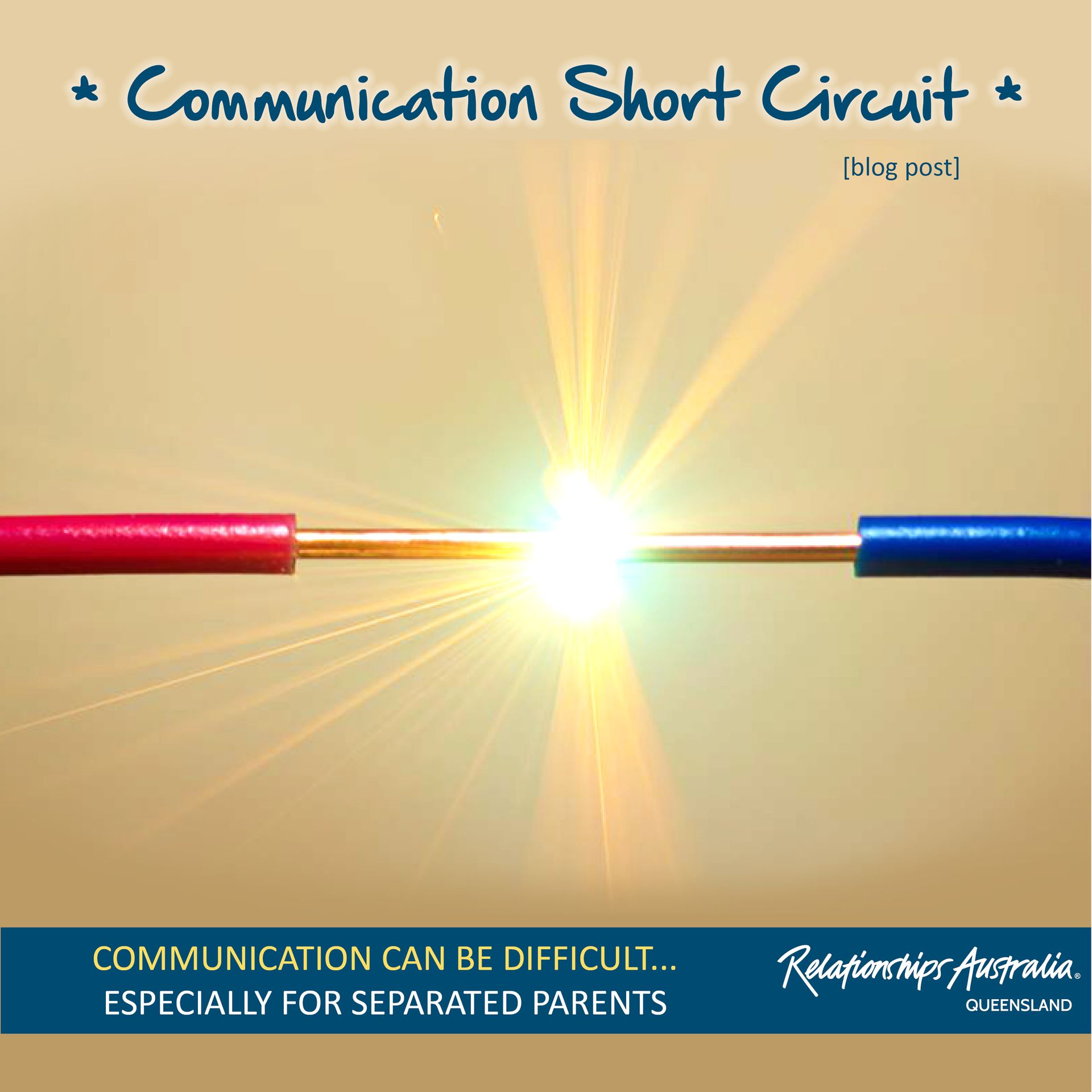
Communication Short Circuit

Communication is one of those things which we all do in one way or another. There are literally hundreds of ways in which communication can be misunderstood or misinterpreted. In the land of simplicity, when we communicate one person sends a message and the other person receives it; doesn’t seem that hard, does it? 

I have worked as a mediator and in the field of dispute resolution/conflict management for around 17 years, so I consider myself one pretty aware communicator; essentially communication is the core of my job. Yet I received a wakeup call, a reminder of just how fragile communication is.

We have a one year old daughter whose baby sitter is going overseas. Obviously we needed someone and decided that my husband would take leave and stay at home. I checked the dates and told him that he would need to take from the 16th Feb until the 2nd March off. His work needs 2 months’ notice so late November my hubby’s leave was approved. Right, that’s organised.

Then a very confusing conversation developed where my hubby explains that the boss wants him to work away from the 6th until the 16th of Feb. I ask if he’ll be back before I leave for work on the 16th. It gets very confusing from this point and I feel completely lost as we both try to make sense of what the other is on about. I’m definitely missing something. Clarity chimes as he finally says “I thought the 16th was my last day of work and my first day home is the 17th.”

What! How on earth could he think that? How could he have possibly gotten that out of what I’d said? “I said you’ll need to take from the 16th Feb until the 2nd March off,” I repeat to him. What was unclear about that?

More confusion. He explains that he thought I meant that the 16th would be his last day of work before his leave and then the 2nd would be his first day back at work after his leave.

I’m completely beside myself with disbelief. How could he not have known what I meant? It was totally clear and obvious, wasn’t it? Anyone would have known what I meant; after all I’m a clear communicator, aren’t I? When I’d gotten over myself, I considered this. 

It is definitely evident that the message I had sent was not received or interpreted in the same way. There had been an assumption, a short circuit, and it had happened so easily.

My husband and I were working together towards the same goal. Imagine if we weren’t; if we were separated parents and communication was tense and difficult to start with. Luckily, we’re on the same team and definitely not adversaries. Yet this one simple short circuit caused incredible confusion and took time to work out what we both meant because of our different understanding from that one comment of mine. Yep, communication appears easy but is easily short circuited.

Oh and we have someone to look after our little girl.   


— Carolyn is a Family Dispute Resolution Practitioner @ Relationships Australia Qld

** If you could like help with making arrangements and agreements following separation, or any other issue which requires support, please call us on 1300 364 277 to discuss your options.

BE SOCIAL, SHARE!

If you enjoyed this blog, please share this blog by using the orange SHARE link at the top of the page. You can also subscribe to receive future blogs straight to your inbox.
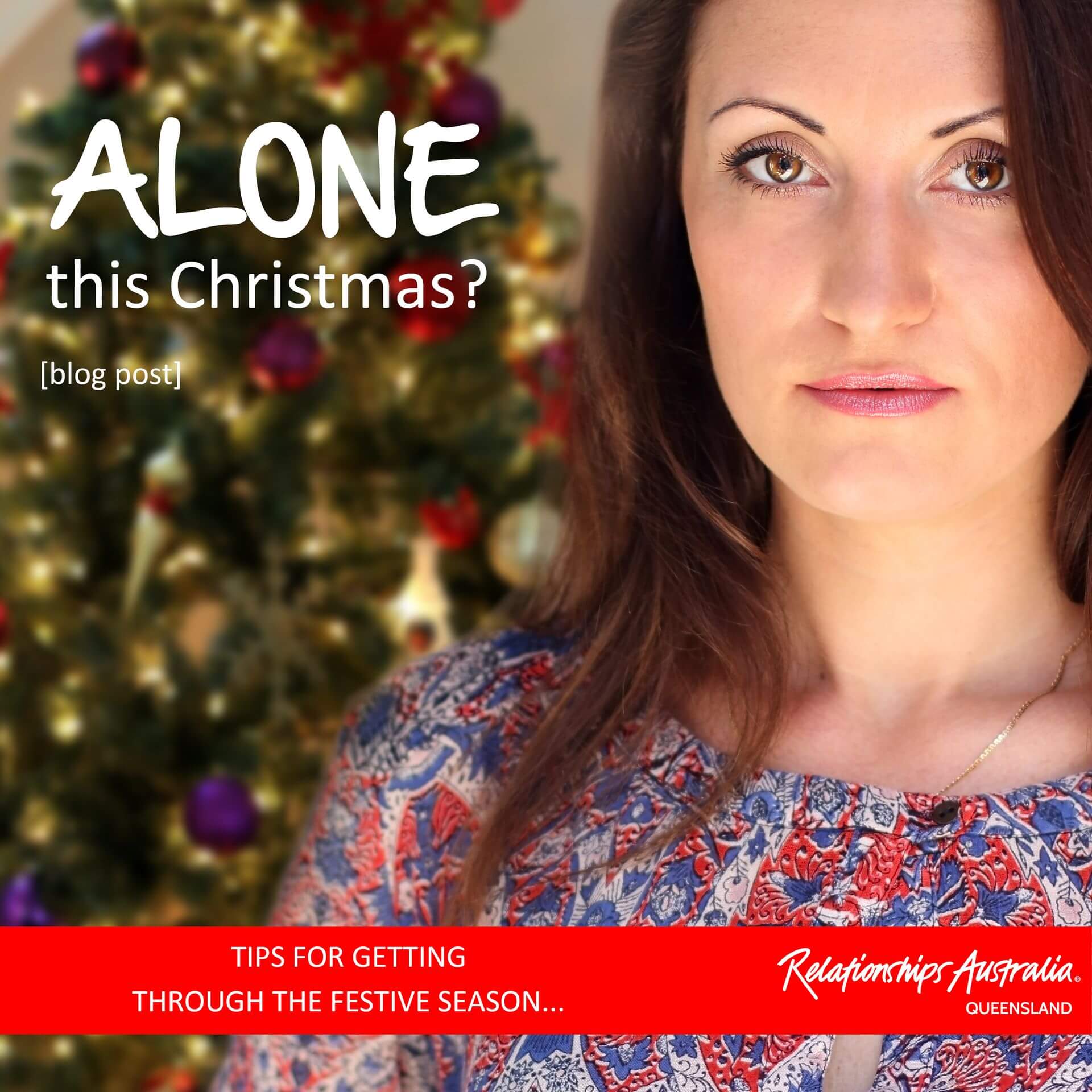

Alone this Christmas? Tips to get through the festive season…

So here we are… the festive season is here. The stores have decorations and displays, Christmas parties are happening, festive movies on telly, and lights are going up on peoples houses and in the streets. It is really is a time of getting together and having a jolly time; but what if you are not in a position to spend it with the one(s) you would rather be with? Though you may be ‘alone’ this year, you can do something to help yourself focus on making yourself “merry” during the holidays.

  • If you are lonely, show up where people are. Invite close friends to be with you. Ask a friend to help you donate toys/clothing to various charities. Volunteer to help prepare and serve food at a local soup kitchen.
  • Exercise and keep those endorphins pumping (the hormones which make us feel relaxed and happy).
  • Choose HEALTHY food. Pick food which will stabilise your blood sugar not send you on a sugar craze.
  • Decorate your house or apartment. Do it for YOU.
  • If visits from certain people during the holidays in the past have affected you in a negative way, assert yourself. Let them know that “No, but thanks for asking”. You don’t have to make excuses or defend yourself. They may expect you to give an excuse, but you don’t have to.
  • Practice gratitude. Be thankful for all the things you DO have and avoid focusing on what you lack. Make a list.
  • If you have children or loved ones who come to visit, do your best to create an atmosphere which focuses on “doing” rather than “having”. Plan holiday activities; make your own holiday decorations.
  • Read a good book; one which will help you focus on being the best person you can be and help you understand that the only relationship you have total responsibility for is the one you have with yourself.
  • Have your “First annual Christmas” feast for other single friends. Make sure everyone gets involved so that you are not doing all the work. Have them bring their favourite dish to share.
  • Host an alcohol-free drive to look at the Christmas lights
  • Visit a nursing home. Statistics show that many elderly people are often forgotten during the holidays. Your visit will ALWAYS be appreciated.
  • Avoid alcohol and party drugs. If you are already feeling down, alcohol depletes the brain of serotonin, a chemical it needs to maintain normal mood.
  • Be Santa Clause/Mrs Clause to others this year. Run an ad, rent yourself out, or do it for free. When you bring joy to others, a little of it always stays with the giver.
  • Go to the Carols by Candlelight. Sing-a-long. Singing also gets endorphins going.
  • Don’t depend on someone else to make your season bright. You alone must do whatever it takes to do that.

Most of all, have fun, create memories; defy tradition, and start your own. As the famous Joseph Newton said “People are lonely because they build walls instead of bridges,” so maybe during the festive season, while everyone is full of holiday cheer, it is a good time to knock down some walls or start construction on a few bridges. 


If you would like to talk to someone about how you’re feeling, call us on 1300 364 277 to arrange to see a counsellor. 

BE SOCIAL, SHARE!

This information may help someone you know. Please share this blog by using the orange SHARE link at the top of the page. You can also subscribe to receive future blogs straight to your inbox.
Christmas after separation… Making it special for the kids.

Most of us would like to give our kids a Christmas day to remember.Watching them shake Christmas presents to guess what is inside, and being there as their eyes light up when they open their gifts, can be some of the most rewarding times as a parent. It is no wonder that sorting out contact arrangements for Christmas day after a family separation can be extremely stressful for many parents.

Old wounds quickly rear their head when it comes to deciding where the children will go on Christmas day. Some common complaints are “I’ve cooked, cleaned, nursed and raised those kids without any help from him/her, why should he/she get them for the most special day of the year?” or “She/he has a new partner, I’m going to be alone, the kids should be with me” or “I deserve to be with my kids on Christmas day, he/she has never shown an interest in them until now”. The list is endless, but the common thread to most reasons is they are about what parents need and what parents want.

Being a child focused parent means putting the needs of your child first. Sounds easy doesn’t it? When faced with making descions about such an emotional topic, sadly our sense of what’s best for our kids can be replaced by our own wants. Putting your kids first can take some practice, but here are some reminders to help keep you on track:

  • Your children will still want to spend special time with both of you no matter how good/bad your ex-partner has been at parenting in the past
  • Let them know you care and want to celebrate with them in your own special way. This is the most important thing, no matter which parent has the children on Christmas Day
  • Time with your children should be positive and stress-free

Remember, saying negative things about your ex-partner is just as hurtful to your child as saying nasty things about them.

It is really important for you and your ex-partner to discuss what the children will do on Christmas day before telling them. This way, children can be protected from any hostility and conflict which may arise. Where children are involved in the decision making process make sure that they don’t feel their choices will hurt either parent’s feelings. Reassuring them that Christmas day is about what they want, and that mum and dad will be happy and continue to love them no matter what decision they make can help everyone enjoy Christmas.

Here are some suggestions for Christmas contact arrangements:

  • If parent’s live some distance from each other, children could spend Christmas Eve to Boxing Day with each parent on alternate years
  • If parent’s live close to each other, the children could spend time with one parent from Christmas Eve to 2:00pm on Christmas Day for example, and with the other parent until Boxing Day. The parents can then swap this arrangment over next year.

Remember that there are many things you can do with your children to celebrate Christmas even if they are not with you for the actual day e.g., Carols by Candelight, present shopping, decorating the Christmas tree, handmaking a special gift, speaking on the phone or webcam, or sending them a letter. The most important thing to remember is to make sure your children have good memories of Christmas. This means keeping your children out of any conflict, and making sure their needs are put first in any decisions that are made.

If you are unable to sort out contact arrangments amicably and would like to talk to someone about how to do so, Relationships Australia offers Counselling, Mediation and the Children’s Contact Service. Please call 1300 364 277 for further information and/or to make an appointment. 


BE SOCIAL, SHARE!

This information may help someone you know. Please share this blog by using the orange SHARE link at the top of the page. You can also subscribe to receive future blogs straight to your inbox.
 

Why is marriage such a big issue for gay couples?

Facilitating Difficult Conversations, Towards a Richer Society 

Written by Chris, Rainbow Program Leader @ Relationships Australia Qld

“Why is marriage such a big issue for gay couples?”, she asked. “Surely there are more important things to fight for?” I was taking questions during a Rainbow Program training session on legal rights for same-gender couples and, on the face of it, this trainee may have had a point.

There is still a range of social justice issues impacting the lives of Queensland’s lesbian, gay, bisexual, transgender and intersex (LGBTI) people, which may seem far more important than marriage: A ban on same-gender couple adoption, an absence of safe accommodation for people undergoing gender transition or escaping same-gender domestic abuse, unequal age of consent and inadequate support for sexually and gender-diverse students in schools, to name a few.

So why are we so hung up on marriage?

It’s important to note that in Australia legislation is divided between state and federal powers. The recognition of same-gender partnership varies in name and deed between the various states and territories. Marriage is the one overarching legal construct, which is understood across the country, removing ambiguity in critical situations such as hospital visitation, powers of attorney and deceased estates. Many same-gender couples, whose extended families are hostile to their domestic situation, remain legally vulnerable while they are unmarried.

But there is another conversation to be had here and it connects to questions of social equity and inclusion, which are central to the work of organisations like Relationships Australia Queensland. Because at the heart of every culture on earth, in some shape or form, is the formal union of two people. It paves the way for the creation of family and it is the gateway through which we have traditionally passed, to access full membership of our community. It is not called ‘civil union’ or ‘legal partnership’. It is called ‘marriage’.

Since the sexual revolution, many couples have made the choice to turn their backs on the institution of marriage, although arguably that has not lessened its power as a symbol of family and community connectedness.

There was a time before ramps, when wheelchair users were prevented from entering public buildings and a time before that when women were denied access to the political process and the doors of social establishments remained firmly closed to Aboriginal people. We have learnt that exclusion and social ostracism ultimately hurt us all, negating the social cohesion needed for a society to thrive and its people to flourish.  

The national conversation around marriage equality is complex and multi-faceted, inevitably stirring the deep waters of moral reasoning and spiritual conviction. RAQ is committed to facilitating the difficult conversations, with a compassionate ear and respect for our diverse views, towards a wiser and richer society.  


— Chris, Rainbow Program Leader @ Relationships Australia Qld

** If you identify as LBGTIQ and would like support of any kind, please call us on 1300 364 277 to arrange a meeting with one of our Rainbow Program counsellors.


BE SOCIAL, SHARE!

This information may help or be of interest to someone you know. Please share this blog by using the orange SHARE link at the top of the page. You can also subscribe to receive future blogs straight to your inbox (using the SUBSCRIBE box on the right).


What do you do when your partner has been unfaithful?

There are many answers and reactions to this question. Your first instinct is probably to say, “They aren’t worth it. I am worth more than that. How can I ever trust them again?”, and you would be right and very justified in saying and feeling this way. When you first find out your partner has been unfaithful your first reaction may be to walk away. It may seem the easiest solution but bear with me a moment. How many years have you spent in this relationship? Was your relationship on the whole a good relationship and worth saving? Do you have children and how many lives will this affect?

Children often become the ones most affected and negatively impacted by high conflict separation. According to expert Jennifer Macintosh, conflict and separation and divorce create risks for all children, and higher risk for those already vulnerable through other factors. She states “unresolved parental conflict and diminished emotional availability impact children’s psychological growth. Children and adolescents of divorced families are more likely to experience greater economic, social and health difficulties through childhood and early adulthood (for example, more likely to use alcohol, cigarettes and drugs; to give birth as a teenager; to drop out of school early; to receive psychological treatment; and to have earlier marriages, with increased propensity to divorce).

Co-parenting conflict is a significant predictor of ongoing distress for adolescents and adolescent antisocial behaviour.” (McIntosh, 2003)

Betrayal in a relationship is often the hardest thing to come back from, but is it possible to move on and begin to create a new relationship? Perhaps, if you begin to look at the old relationship as being dead and the need to create a new relationship where there can be openness and honesty. To do this there needs to be a decision from each partner to stay and try to work this through along with understanding and commitment to each other. The affair also has to be completely over. There cannot be three people in this new relationship. For the partner who has been faithful there is a lot to forgive and this takes time.

I think it is good to point out here that the partner who has been betrayed may ask themselves “What is wrong with me? Am I not good enough… sexy enough? Is it because I’m getting old and my body doesn’t look as good as it used to?”

How does it feel if I tell you that it is not about you—it is about the person who has had the affair. The decision to be unfaithful may have been a conscious or unconscious decision. It may have been something that happened but ultimately it sits with them, and they cannot blame you. They need to be remorseful, repentant and honest with themselves and with you about their betrayal. For you it is about forgiveness and this can be a decision but it is also a journey.

The balance of power in your relationship has now changed. For the person who has been betrayed, you may not feel powerful, but if the decision has been to rebuild, you hold the power. Let me explain. The person who has been unfaithful has made the mistake and they need to work hard to rebuild all that has been destroyed. They need to sit and hear all your pain which is often delivered in accusation, anger and blame.

Often in counselling the partner who has had the affair may say, “I have said I’m sorry. How much more can I do?… You want to know everything that happened. Why can’t we just move on?” Well… I always need to say, “No, not yet!” For the person who has been betrayed, they need to get to a place where they feel, believe and understand that the other person is truly sorry and that takes time and lots of conversation.

I need to mention here it is not helpful to talk about the affair explicitly. This never helps and only creates pictures and memories which may not be able to be left behind. To be honest, truly repentant, and sorry for the pain they have caused their partner is the best guide when asked, “How many times? Where did you do it? Was it better than with me?”

Find a good relationship counsellor to help you both to navigate and move through this difficult time and to help you have these conversations.

Infidelity is not always the end of a relationship. Sometimes it is the catalyst for change. Susan Johnson in her emotionally focused ‘model’ of counselling focuses on key emotions and their attachment significance. This model allows the counsellor to work with a process of forgiveness and the creation, perhaps for the first time, of a secure attachment bond between both partners. When you have moved on from the hurt and pain of betrayal and its effect on your relationship, continue with counselling. It can help you answer the questions for you both about “What happened and how did we find ourselves here?”

It is possible to build a new relationship. It is never easy and both partners need to be strong and decide they want to stay together, whatever it takes.


— Val, Relationship and Family Counsellor @ Relationships Australia Qld

** If you are facing challenges in your relationship, please call us on 1300 364 277 to discuss your options or make an appointment.


BE SOCIAL, SHARE!

This information may help someone you know. Please share this blog by using the orange SHARE link at the top of the page. You can also subscribe to receive future blogs straight to your inbox (using the SUBSCRIBE box on the right of this page).

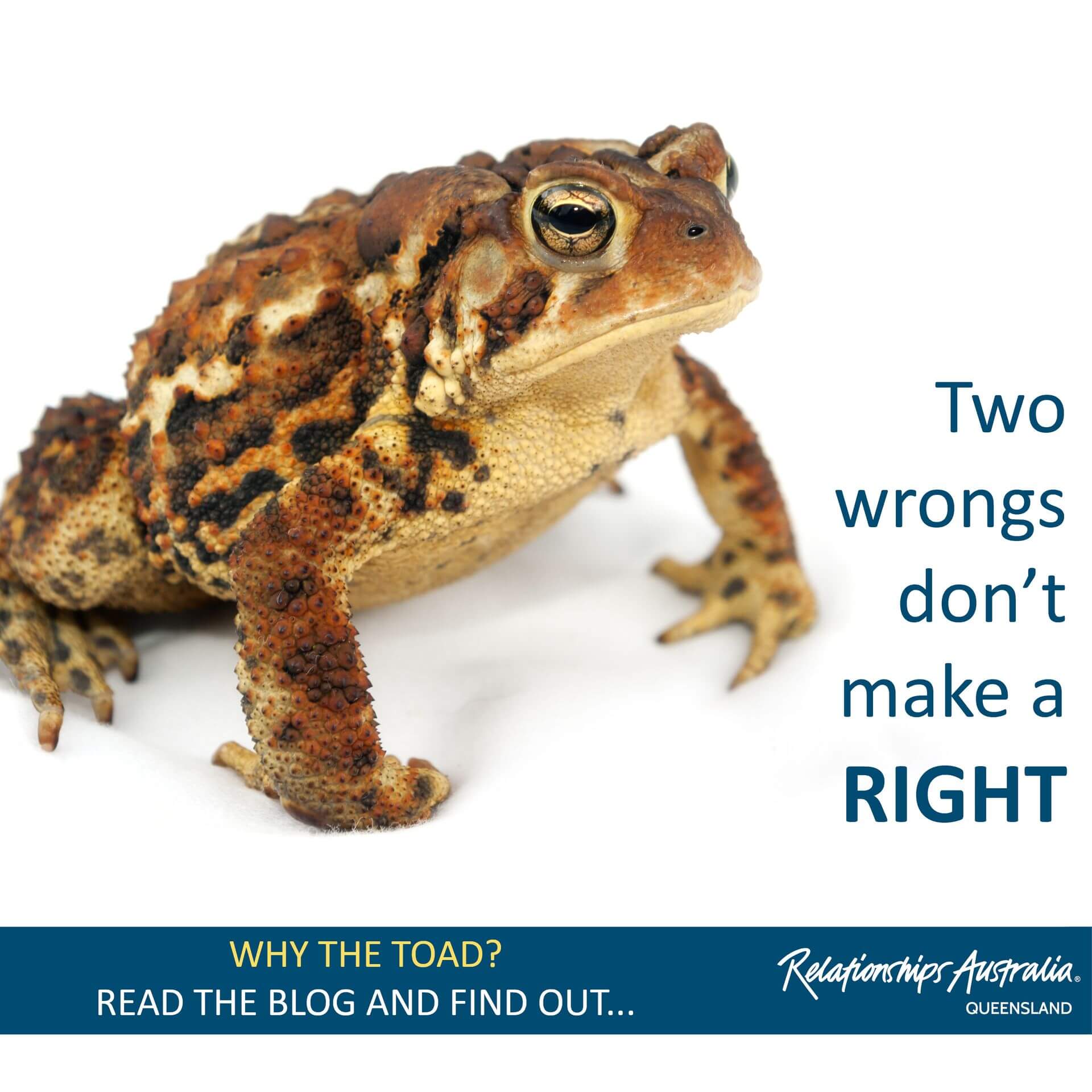
Two wrongs don’t make a right

By Carolyn McBean, Family Dispute Resolution Practitioner

Why do reasonable, kind hearted and educated people sometimes behave completely out of character and irrationally when in dispute?

Although I don’t have a definite answer to this puzzle, one of the biggest influencing factor I would say is those of emotions, especially frustration and anger.

Imagine the situation where a neighbour claims the other is being too noisy at night and causing him to be sleep deprived. This neighbour decides to tie nuts and bolts to toads’ legs and throws them onto the neighbour’s roof.

Right now most of you are probably giggling or thinking, “Wow what a clever idea,” yet I ask you–how is this going to help ‘fix’ or ‘improve’ the situation?

What would you do if your neighbour threw clinging clanging toads on your roof?

Why would a reasonable, usually kind hearted individual take the time to catch said toads and carefully tie bolts to their legs and then orchestrate getting them onto the neighbour’s roof?

Right now I can hear my mum’s voice saying, “Two wrongs don’t make a right,” or the other old favourite, “If they jumped off a bridge would you?”

In the realm of conflict and dispute resolution these old sayings actually have some validity.

Perhaps the neighbour gains some sense of control by constructing and carrying out the plan with the toads, in possibly an ongoing and immensely frustrating situation. However, what are the long term desired outcomes? Is the neighbour’s goal to simply ensure the other ‘suffers’ as much as they believe they are and has a sleepless night? If that’s so then I think it’s a “tick” because the desired affect is achieved. I don’t imagine there’d be a lot of sleep with clinging clanging toads on the roof in the middle of the night. Yes, it would be reasonable to say that this was more than likely the neighbour’s aim in that moment in time.

Consider though, what was the original goal for the neighbour? They desired sleep, a peaceful night’s sleep. Perhaps their neighbour is being deliberately obnoxious and antagonistic. Even so how does the toad plan work towards achieving their original goal of attaining a peaceful night’s sleep? How do two wrongs make a right?

What might seem like “just desserts” may seriously not achieve your desired final outcome. If you find yourself thinking that some form of retaliation, such as throwing bolt laden toads on the neighbour’s roof, might be called for in a particularly difficult dispute or conflict, please stop and ask yourself if this will help you reach your ultimate goal?

It might be a big ‘tick’ for its success in annoying the other person but a massive ‘cross’ for improving the overall situation… and historically, retaliation usually makes the situation worse.

Okay, you were right mum, “Two wrongs really don’t make a right.”


— Carolyn McBean, Family Dispute Resolution Practitioner @ Relationships Australia Qld

** If you would like help settling a dispute with someone, please call us on 1300 364 277 to find out your options and make an appointment.


BE SOCIAL, SHARE!

This information may help someone you know. Please share this blog by using the orange SHARE link at the top of the page. You can also subscribe to receive future blogs straight to your inbox (using the SUBSCRIBE box on the right of this page).

Dealing or living with anxiety

Have you found yourself lost in your thoughts about the future, thinking about what you need to do the next hour or the next day? Maybe you started to feel anxious or overwhelmed about all those things you have to get done, something which may become an issue or maybe there’s something you cannot avoid any longer. If you have a brain similar to mine and lots of other people, you probably answered yes to this question.

Anxiety shows up for many of us when we start thinking about the future. “Dealing or living with anxiety” comes up in several session with clients that I work with. Evidence backs up the idea that when we are in the present moment and in touch with what is happening within ourselves and around us, this helps lower the anxiety*.

There are several ways we can help ourselves focus on the present time rather than being sucked into our thoughts and feeling about what may or may not happen in the future. Mindfulness exercises are one of these ways. Here are three simple mindfulness exercises which can help you be present.

One minute breathing: As the name suggests, this exercise is about focusing on your breathing for one minute. You can do this exercise anywhere at any time. You can start by breathing out slowly and letting your lungs get filled by air effortlessly. As you are breathing out again, notice the changes that are happening in your body. How does your body expand when you breath in? What does the air feel like in your nostrils? Notice that the air feels warmer as you are breathing out.

Notice five things: When you catch yourself lost in thought about the future, notice five things you can see around you (a wall, a chair, a clock, a bag a computer screen etc) , notice five things you can hear (a car engine outside, the noise of the clock, a person walking by etc.) and notice five things you can feel (the chair that I am sitting on is firm, my feet are warm, my eyes are dry etc.)

Two mindful bites: For the first two bites of any meal you eat, pay attention to these aspects of the bites: The smell and appearance of the food, the sound it makes when you bite it and texture and taste of the food as you are chewing it.

You might find it challenging to do these exercises initially because it is not our usual way of doing things. Think of this as a muscle that you have never used or did not know it existed. It might feel awkward to start with but you need to keep practising it so that it becomes stronger over time. As you are trying these exercises you might notice your mind wandering into the future or past. When this happens, gently bring your mind to the exercise at hand and try again. Also, practising with a trained counsellor can make things easier and help you strengthen these skills and others to live and deal with anxiety. If you would like further support feel free to ring us on 1300 364 277 to book a session with a counsellor.


— Gamze, Counsellor @ Relationships Australia Qld

*The mindful way through Anxiety by Susan M. Orsillo, Lizabeth Roemer 2011


BE SOCIAL, SHARE!

Anxiety is very common and you may not be aware that friends or loved ones are living with it. This information may help someone you know. Please share this blog by using the orange SHARE link at the top of the page. You can also subscribe to receive future blogs straight to your inbox (the SUBSCRIBE box is on the right of this page).

Families and their impact on our lives

The question often asked by counsellors is “So what was your childhood like?”, “How did you get on with your mother, father, siblings?” … Have you ever wondered why we ask these questions?

People will say, “You can’t blame your parents for everything. You have to grow up, make your own decisions and take responsibility for your own life.” Which is true, but the legacy of childhood is not always understood or even recognised as a contributing factor of how we make decisions or how we interact with our current family, friends and children.

The fact is we all come from, and grew up in, families. They are many and varied, single parent families, blended families, same sex parents, grandparents raising their grandchildren, or siblings taking responsibility for parenting, adoptive parents. There is no limit to the different types of families, but the truth is we all live in families or are part of extended families and friends.

Families help to shape us into the people we are today. Often we don’t realise the impact the family we grew up in has on our current lives. Were you the first born, middle child or baby of the family? Even this plays a part in how we act as adults; it can determine how we interact with our spouse, our children, our friendship circle and even in our workplace. Family therapists such as Murray Bowen, Virginia Satir and Salvador Minuchin, have been working in this theory since the 1950’s.

How you were disciplined, and whether you felt loved or accepted, all impact upon you today. Have you ever heard yourself sounding just like your mother or your father, or even worse has your partner ever said to you, “When you said that you sounded just like your mother!”, and you had vowed never to be like your parent!

You will always carry the legacy of your childhood – some good, some bad. It has helped make you into the person you are today; but wouldn’t you like to be more in control and know why you sometimes say the things you do or react the way you do? Counselling can help you gain clarity by exploring your feelings and emotions in a safe place where problems and issues can be understood.

Counsellors are able to help you work through issues in your life. They can help you make sense of the things which may get in the way of you growing and developing to your full potential in life. By asking the question, “So what was your childhood like?”, they help guide you through the things you remember as important from your childhood, the things which helped shape you into the person you are today. This will help you understand yourself and you will be able to make wiser, more informed and less reactive decisions. . This will ultimately make you a better partner, parent, friend.

Val, Relationship and Family Counsellor @ Relationships Australia Qld


BE SOCIAL, SHARE!

This information may help someone you know. Please share this blog by using the orange SHARE link at the top of the page. You can also subscribe to receive future blogs straight to your inbox (using the SUBSCRIBE box to the right of this page).

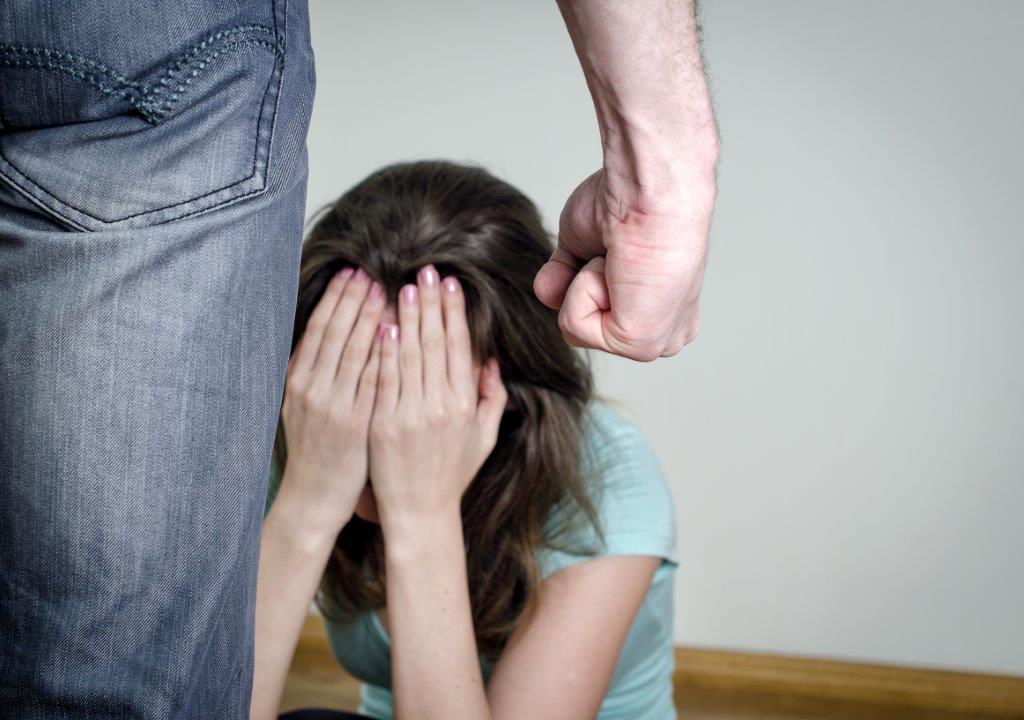
Putting an End to Domestic and Family Violence in Queensland

2014-15 has been an important year on the calendar for the efforts to put an end to domestic and family violence in Queensland. 

The Special Taskforce on Domestic and Family Violence delivered its report to the Premier of Queensland in February.  The report outlines recommendations that are intended to provide a framework to inform the creation of a State wide domestic and family violence prevention strategy. 

The Australian of the Year award for 2015 was awarded to Rosie Batty for her powerful work as a family violence campaigner following the tragic murder of her 11 year old son, Luke, at the hands of his father. 

Despite the increased profile of domestic and family violence prevention in Australia, women (and their children) as still dying and suffering at an alarming rate at the hands of current and previous partners.  Australian police deal with an estimated 657 domestic violence matters on average every day of the year. That’s a devastating one every two minutes.

Much of the important work RAQ does is in the space of supporting victims and survivors of domestic and family violence, and across all our programs we work with vulnerable clients, including children who have been impacted by domestic and family violence.

Our range of services within the domestic and family violence space (including male perpetrator programs) hold the safety and wellbeing of women and children as a priority, and encompass information, advice and practical support. In addition, RAQ is a strong advocate in the community for promoting healthy and respectful relationships.

Our current offerings include:

•           Counselling for women

•           Counselling for children

•           Court support

•           Service system support

•           Men’s perpetrator intervention service which includes individual and group work for men who perpetrate D/FV in relationships

Through our Victims Counselling and Support Service, we are increasing our work with the Queensland Police Service who are so often the first point of contact for victims.  Equally, we are focused on violence prevention in the support we provide through our family and relationship support services as well as our targeted men’s behaviour programs. 

For more information or to book an appointment, call RAQ on 1300 364 277 or Victims Counselling Support Service (run by RAQ) on 1300 139 703.

How the way you grew up impacts your relationships, parenting, and friendships

The question often asked by counsellors is, “So what was your childhood like? … How did you get on with your mother, father, siblings?”

Have you ever wondered why we ask this question?

People will say, “You can’t blame your parents for everything. You have to grow up, make your own decisions, and take responsibility for your own life.” While this is true, the legacy of childhood is not always understood or even recognised as a contributing factor of how we make decisions, or how we interact with our current family, friends, and children.

The simple fact is – we all come from, and grew up in, families. They are many and varied – single parent families, blended families, same sex parents, grandparents raising their grandchildren, or siblings taking responsibility for parenting, adoptive parents. There is no limit to the different types of families, but the truth is – we all live in families or are part of extended families and friends.

Families help to shape us into the people we are today. Often we don’t realise the impact that the family we grew up in has on our current lives.  Were you the first born, middle child or baby of the family? Even this plays a part in how we act as adults. It can determine how we interact with our spouse, our children, our friendship circle, and even in our workplace.  Family therapists such as Murray Bowen, Virginia Satir and Salvador Minuchin, have been working in this theory since the 1950’s.

How you were disciplined, and whether you felt loved or accepted, all impact on you today.  Have you ever heard yourself sounding just like your mother or your father? … Or even worse, has your partner ever said to you “When you said that you sounded just like your mother!” … and you had vowed never to be like your parents!

You will always carry the legacy of your childhood — some good, some bad. It has helped make you into the person you are today… But wouldn’t you like to be more in control and know why you sometimes say the things you do or react the way you do?  Counselling can help you gain clarity by exploring your feelings and emotions in a safe place, where problems and issues can be understood.

Counsellors are able to help you work through issues in your life.  They can help you make sense of the things which may get in the way of you growing and developing to your full potential in life.  By asking the question “So what was your childhood like?” they help guide you through the things you remember as important from your childhood; the things which helped shape you into the person you are today. This will help you understand yourself better, and you will be able to make wiser, more informed, and less reactive decisions… which will ultimately make you a better partner, parent, and friend.

—————————————

Val Holden is a Relationship and Family Counsellor with Relationships Australia Queensland.


Image from Andres Rodriguez @ 123rf.com