Has the coronavirus outbreak impacted your mood? How about your physical health, or how often you drink alcohol?
New research has found that self-isolation and restrictions related to COVID-19 have changed a lot for Australians’ lives.
Many of us have experienced feelings of anxiety and loneliness since the outbreak. Some have enjoyed the slower pace of life. And some want to continue social distancing when this is all over.
The coronavirus has impacted us all in one way or another. These survey findings reveal just how drastically our feelings, behaviours, and relationships have changed over recent months.
We’re anxious and lonely
A fear for our physical safety and directions to self-isolate are a recipe for anxiety and loneliness.
Over 55% of respondents reported increased feelings of anxiety or nervousness since COVID-19, while 45% of respondents reported increased loneliness.
Over 48% reported an increase in feelings of depression or low mood, and over a third (34%) reported poorer mental health overall. 7% reported an improvement in mental health, and 41% reported no change to their mental health during the outbreak.
Reported concerns varied from health and social to economic and financial.
“My anxieties are about the long-term impact of the pandemic economically and politically as well as worries about family overseas,” one respondent elaborated.
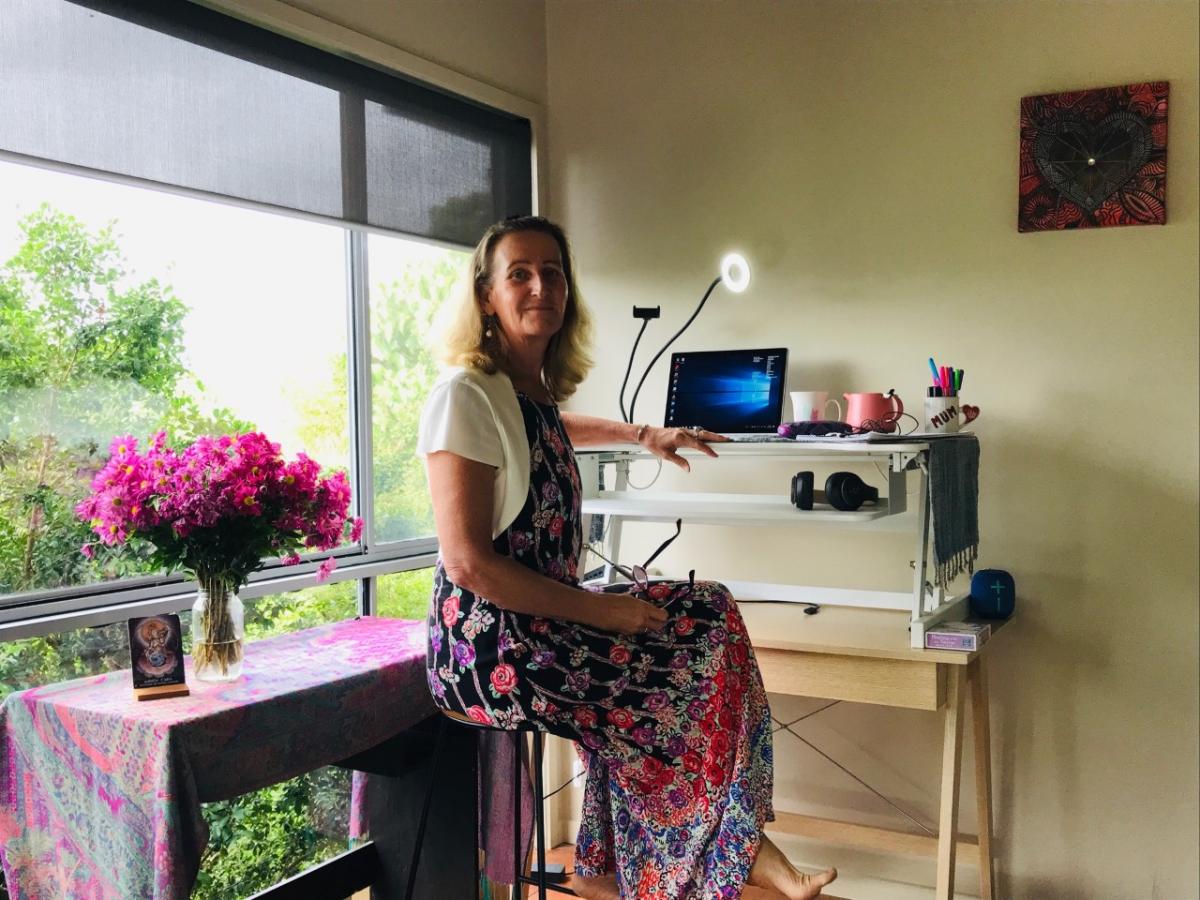
“I live alone and have been working from home for 5 weeks. I’m lonely and sad but feel guilty for being upset because I still have a job and nothing is “wrong”,” explained another.
We’re drinking more
Have you found yourself reaching for your favourite drop a little more often than usual? You wouldn’t be the only one.
Almost a third of respondents (28%) reported an increase in drug or alcohol consumption since COVID-19, while 37% reported no changes. 9% reported a decrease in drug and alcohol consumption, which could be due to the closure of bars and pubs.
When asked about physical health in general, 29% reported an increase in poor physical health, while 18% reported a decrease, and 43% reported no change.
We’re calling instead of texting
Technology has saved the day for friends and family separated by social distancing measures. But you might be surprised to see the stats on our most-used communication methods.
Phone calls (59%) and video chats (57%) have been the most popular ways to stay in touch from a distance, while texting and smartphone apps (e.g. What’sApp and Facebook Messenger) came in at 38%.
Who would’ve thought we’d get so comfortable with video conferencing?
“FaceTime has been a blessing but not nearly the same as seeing our grandchildren in person,” commented a respondent.
But even with all these forms of communication at our fingertips, some of us are choosing to isolate ourselves during this tough time. The survey showed 7% of people aren’t staying in touch at all.
“I’m withdrawing. Communicating through media is draining,” a respondent stated.
We’re enjoying activities at home together
It’s not all doom and gloom. Many of us have been making the most of our time holed up at home with our loved ones (except for the 22% of survey respondents who reported that they live alone).
35% of respondents have enjoyed engaging in activities with their partners or family members, such as cooking, gardening, doing puzzles, and watching movies.
18% reported exercising with their family members, mostly in the form of daily walks or playing outside with the kids.
For some households, a bit of alone time has helped them get through.
18% reported that giving each other space and partaking in independent activities was working well for their family.
We’re not ready to give up the slower pace
The coronavirus giveth, and the coronavirus taketh away. Some of us have adapted to the lifestyle changes COVID-19 has forced on us, and we don’t want to give those up when things go back to ‘normal’.
When asked what they’d like to keep doing, most respondents (30%) agreed they wanted to maintain the slower pace brought on by the pandemic. 17% said they wanted to continue with the increased exercise they’d been engaging in during COVID-19, and another 17% said they’d like to continue enjoying more recreational activities.
While the coronavirus had us physically distancing, it helped bring many of us together in other ways. 15% of respondents reported wanting the increased compassion, relating, and connecting to continue.
“The level of connection and intimacy grown during this time is wonderful. I hope to keep it,” one respondent commented.
14% of respondents agreed they wanted to continue working from home, with reduced commuting and increased flexibility being the most common reasons.
If you’re having a hard time at the moment, we’re here to offer some extra support. Discover our counselling services for individuals, couples, and families.