1300 364 277
Quick Exit
This button appears across the site. Press this button to exit the site immediately to nondescript link
Click to close or press

Physical Effects of Anxiety

Anxiety is a serious mental health condition that can make us feel worried, nervous, and afraid. It’s known for changing how we think and behave. But did you know it can also have real impacts on our physical health?

This is because anxiety is the body’s reaction to stress or perceived threats, and can trigger the fight-or-flight response. Someone with chronic anxiety might experience physical symptoms occasionally or every day, as their body is constantly in a state of high alert.

Learn what anxiety does to the body here.


Headaches

Can’t pinpoint what’s causing those niggling headaches? Anxiety might be the culprit. Constant stress and worry can lead to headaches and painful migraines. A hot bath or shower may help to relieve some pain.

Upset stomach

It’s common for people with anxiety to experience stomach pain, nausea, diarrhoea and other digestive issues. Research has shown a strong connection between the brain and the gut. This might explain why we feel ‘butterflies’ when we’re nervous, or why stomach problems are one of the most common symptoms of stress and anxiety.

Breathing problems

Some people with an anxiety or panic disorder might experience breathing difficulties. Shortness of breath and fast, shallow breathing are common physical effects of anxiety. Some people might even experience hyperventilation. Deep breathing exercises are a great way to regulate your nervous system if you feel an anxiety or panic attack coming on.

Heart palpitations

When you’re anxious, it might feel like your heart is going to burst right out of your chest. A pounding heart and heart palpitations can be worrying physical side effects of anxiety, but they normally subside as the anxiety or panic lifts.

Fatigue

Anxiety isn’t just tough on us mentally and emotionally – it can also be physically exhausting. All those stress hormones can leave us drained and flat. Fatigue is a common side effect of anxiety, as is difficulty falling and staying asleep at night.

Aches and pains

Feel like you’ve run a marathon every day? Muscle and joint aches and pains are a very real physical side effect of anxiety – the most common being neck, back, and shoulder pain. Try stretching every morning and checking your posture throughout the day.

Loss of libido

Anxiety, just like many other mental health conditions, can have an impact on your sex life. It’s not uncommon to experience low libido when you have an anxiety disorder. Whether you’re distracted by anxious thoughts or you’re simply too tired from all the other physical effects of anxiety, it can be difficult to get in the mood.

Sweating

Sweating is a common physical effect of anxiety disorders. Some people are chronic ‘nervous sweaters’ and experience excessive sweating in social situations. Unfortunately, the concern or embarrassment around sweating can fuel the anxiety and worsen the symptom.

Shaking

Have you ever trembled with fear before a big presentation or public speaking event? Shaking and shivering can be caused by anxiety-induced hormone surges.

These are just some of the physical effects of anxiety. Research shows having severe anxiety can increase the likelihood of serious health issues like asthma, heart disease, back problems, ulcers, and eyesight difficulties.

Our counsellors can support you in dealing with your anxiety in a supportive, respectful, and confidential environment. Learn more about our counselling services and how to book an appointment here.

Learn about the different types of anxiety in this blog post.
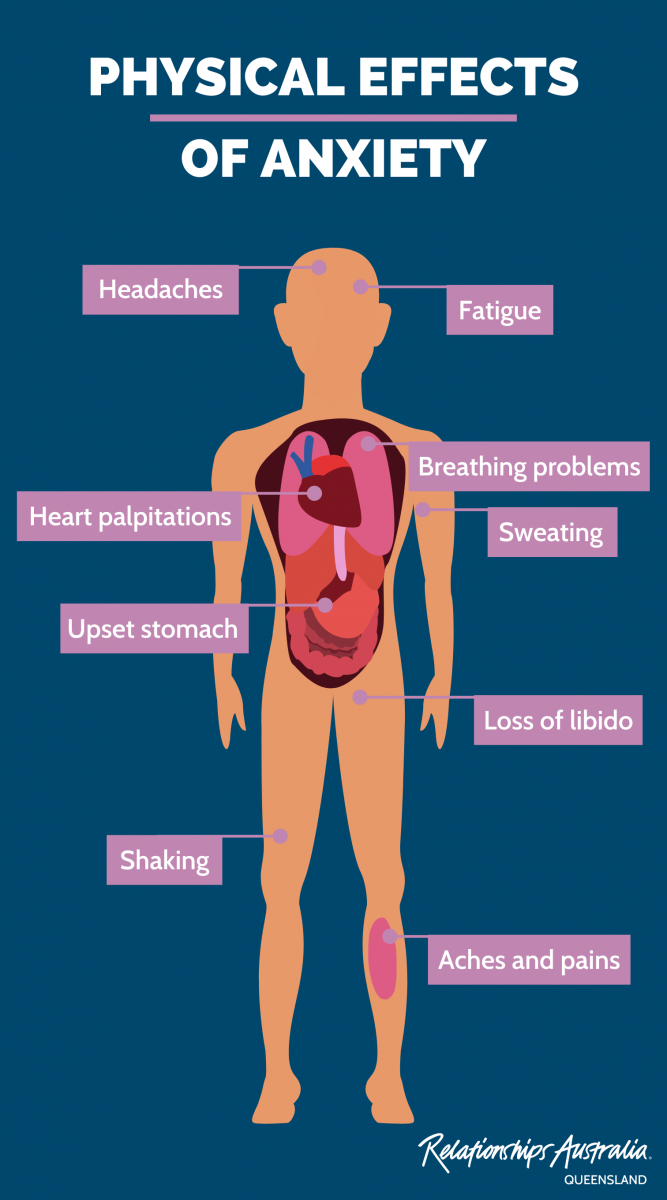
 

Infographic displaying physical effects of anxiety on human body

Benefits of Gratitude

Counting your blessings does more than just put you in a good mood.

According to several studies, practising gratitude can have real benefits for mental and physical health. From reducing stress to improving immune function, introducing some gratitude could be the key to a happier and healthier life.

Discover some of the scientifically proven benefits of gratitude, and different ways you can acknowledge the good things in your life each day.


Gratitude makes us happier

How would you like to boost your long-term happiness by 10%? Research shows that keeping a daily gratitude journal can do just that. By simply writing down three things that went well each day, you can consciously pay attention to the positives in life, which can make you feel more positive about your life overall.

This concept is backed by science. When a person expresses or receives gratitude, the brain releases dopamine, a feel-good neurotransmitter. It contributes to feelings of pleasure and satisfaction as part of the reward system.

But gratitude doesn’t just boost positive emotions – it can also reduce the negatives.

“Gratitude blocks toxic emotions such as envy, resentment, regret and depression, which can destroy our happiness,” says Robert Emmons, Professor of Psychology at UC Davis and a leading scientific expert on the science of gratitude.

“A grateful mind will allow you to be less stressed and feel more positive emotions. Research suggests thinking of things you are grateful for has a positive impact on how you feel and behave,” explains licensed clinical psychologist and neurotherapist Catherine Jackson.


Gratitude makes us healthier

Apparently, grateful people are healthy people! Research shows those who practise gratitude experience fewer aches and pains, and report having better physical health than those who don’t.

A 2015 study found that gratitude and spiritual wellbeing are related to improved sleep quality, energy, self-efficacy, and lower cellular inflammation. Another study found that practising gratitude can lower blood pressure and improve immune function.

While research on the relationship between gratitude and physical health is still developing, existing studies show there is a connection. So whether it’s a placebo effect or not, practising gratitude could give you some physiological signs of better health.


How to Practise Gratitude

Keen to experience the benefits of gratitude for yourself? These are some of our favourite ways to practise gratitude each day. You can try one, all, or a combination of your favourites.

Keep a journal

Make a habit of writing down three things you’re grateful for at the end of each day. From seeing a cute dog to getting positive feedback from a colleague, they can be as small or big as you like. This is a great reminder than while every day may not be good, there is some good in every day.

Thank someone

Appreciate something someone did or said that had a positive impact on you? Make it known in person or via a letter or email. Studies show expressing gratitude can improve your relationships – both in your personal life and at work. Those who take time to show appreciation for their partner report feeling more positive toward the other person, and employees who receive recognition from their managers report feeling motivated to work harder.

Meditate

Use mindfulness meditation to focus on the things you’re grateful for in the present moment. This could be the warmth of the sun, the pleasant sound of silence, or the strength of your body. If you’re looking for a new morning ritual to start the day in a positive mindset, this could be just what you need.


If you’d like to speak to a professional about how you can adopt a more positive mindset, our counsellors can help. Learn about our confidential counselling service and how to book an appointment here.

For more advice, check out our tips to silence your inner critic.

How to Silence Your Inner Critic

Sick of the little voice in your head that tells you you’re not good enough?

We’ve all experienced self-doubt at one time or another. It’s only human to have an internal critic – no matter how self-assured or ‘successful’ you are. But what happens when you become captive to the criticism and judgement you put on yourself?

A negative inner monologue can have serious impacts on your self-esteem, relationships, and life in general. It can eat away at your confidence and hold you back in big ways.

We wouldn’t accept this criticism from a friend – so why do we accept it from ourselves?

While you can’t simply switch it off, we hope these tips to quiet your inner critic help you deal with negative background noise in a healthy way.


Challenge negative thoughts

Our inner critic feeds on fear and often fails to consider the facts. Challenge negative thoughts with the truth. Ask yourself if these thoughts are backed by evidence, or if your mind is playing tricks on you out of fear. Then, try replacing unwarranted and overly judgemental thoughts with realistic ones.

For example, you might be heading home from a social interaction and are thinking “I’m so boring and never add to the conversation”. Replace this harmful self-talk with something more realistic, such as “I’m a good listener and my friends enjoy my company”.

An easy way to do this is to imagine a good friend coming to you with the issue, and what you’d say to comfort them. Try saying these things to yourself.


Identify the root cause

Go one step further and explore what fears and limiting beliefs are driving your inner critic. Where are these negative thoughts coming from? What’s really going on? What’s your inner critic trying to tell you?

Maybe you’re telling yourself you’re not good enough because you’ve been hurt in the past. Maybe you’re insecure about how you look because you’re comparing yourself to others.

Once you’ve identified the root cause of negative self-talk, you can start addressing these issues and work toward healing.


Focus on your strengths

If you have an overactive inner critic, you probably spend most of your time focusing on your perceived flaws or weaknesses. But what about all the great things that make you who you are?

Give yourself a confidence boost by focusing on your strengths and celebrating what’s great about you. You might make a list of all the things you like about yourself, the times in your life when you were really proud, and the nice things people have said about you in the past.

Write these down and keep them somewhere you’ll see them every day, such as next to your bed or on your bathroom mirror. These daily reminders can help boost your self-esteem and put you in a positive headspace.


Rethink how you see others

If you catch yourself being critical and judgemental of others, that toxicity is sure to seep into your self-talk, too. Negative thoughts of any kind can breed a nasty inner monologue that can be harmful for you and those around you.

Reconsider how you think about other people, and train yourself to quit criticising and focus on the positives. Once you start celebrating others, you might find celebrating yourself comes more naturally.


If you’d like some support addressing issues around negative self-talk and building self-esteem, our experienced counsellors can help. Learn more about our counselling services and how to book an appointment here.

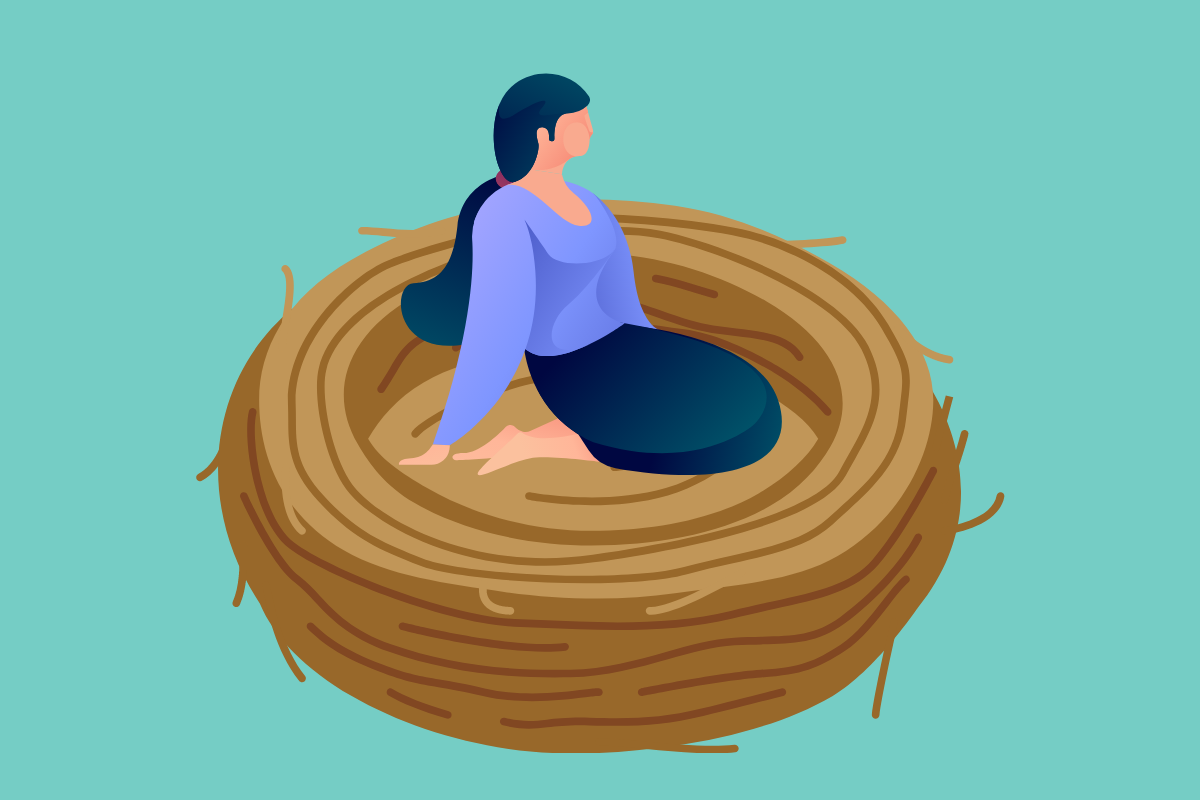
Dealing with Empty Nest Syndrome

So the kids have flown the coop and you’re adjusting to an empty home.

Being a parent can define your life and your identity, and it’s normal to feel some sadness and loss when your children grow up and move out.

If you’re having a particularly difficult time coping with your kids moving out of the family home, you may be experiencing empty nest syndrome.

Some common signs of empty nest syndrome might include:

  • A sense of loss of purpose and/or identity
  • Excessive anxiety about your children’s welfare
  • Feelings of rejection or isolation
  • Feeling overly emotional or depressed
  • Increased marital stress.

We hope our advice helps you adjust to the new normal when your kids leave home.


Find new challenges

Having kids in the house can take a lot of time out of your day, no matter their age. Now you’re no longer sharing a roof and you have some spare time on your hands, why not explore new interests and prioritise your passions?

Start a new hobby, join a club, volunteer, begin a course, or tackle that home reno project. This is a great time to reconnect with who you were before all your time and energy went into your kids. It’s also a great way to redirect your focus and find a sense of purpose and fulfilment.


Stay in touch while respecting boundaries

Just because you no longer live together doesn’t mean you can’t continue to be close with your kids. Sure, your relationship might change as they enter adulthood, and the family dynamic might shift as they become more independent. But once you accept that they need to stand on their own two feet, you can begin to embrace your new relationship and friendship.

Make an effort to maintain regular contact through texts, calls, and visits. Just be sure to respect their boundaries and privacy, e.g. resist the urge to check in too much, and avoid dropping by unexpectedly.


Reconnect with your spouse

Remember the days when it was just the two of you? You could go to the cinema without coordinating a babysitter. You could go out to dinner without worrying about a meal for the kids. You could have a weekend away without obsessing over what was going on back at home.

It’s normal for families to centre their activities around their kids, but now you’re down to a twosome again, it’s the perfect opportunity to rediscover all the things you loved to do together.

And if you don’t have a spouse, celebrate your newfound freedom by reaching out to friends and filling your social calendar. Or simply embrace the opportunity to have more time to yourself.


Let yourself grieve

It’s normal to feel sad when your children move away. Don’t try and speed up or skip over your recovery period – be kind to yourself and make time for self-care while you’re healing. This might include relaxation techniques like meditation, walking outdoors, and confiding in loved ones.

If you’re struggling with extreme empty nest depression or grief, you might find it helpful to speak to a professional. RAQ offers confidential counselling for individuals, couples, and families in a supportive and respectful environment. You can learn more about our counselling services and how to book here.

Can Social Media Cause Anxiety?

Social media is a great way to keep in touch and stay up to date. But what happens when scrolling through Facebook or Instagram is no longer making you feel connected, but causing stress and loneliness instead?

Research suggests a link between the heavy use of social media and an increased risk of depression and anxiety. It also shows that people experiencing feelings of depression and anxiety can often use social media as an escape – and so the cycle continues.

In this article, we explore the potential harms of social media, and how you can modify your use to aid your mental health.


Negative Impacts of Social Media

We know social media offers plenty of positives. From communicating with friends and family all over the world, to networking with like-minded communities who share your interests, we have a lot to thank Facebook and co. for (not to mention all the funny memes).

But along with the benefits come the potential disadvantages. These are some of the most common negative aspects of social media.

Social Withdrawal

With all your friends at your fingertips, it can be easy to substitute face-to-face interactions for likes and comments. Heavy users of social media may spend more time on their phone than with their real-life connections, leading to social withdrawal and alienation.

Unfavourable Comparison

Does social media leave you wishing your life was different? You’re not the only one. Comparison is particularly common on image-based social media platforms like Snapchat, TikTok, and Instagram. Young people especially might compare themselves to influencers and celebrities, wishing they had the same looks, money, trips, and followers – even if they know they’re just seeing the highlight reel.

Fear of Missing Out (FOMO)

No one likes to be left out. While FOMO has been around long before social media, seeing updates and pictures of other people having fun without you can further fuel these negative feelings.

Sleep Disruptions

Studies have found that heavy social media use is linked to poor sleep. Scrolling through your socials can seriously mess with your body clock and reduce time spent sleeping, which can have negative impacts on your mental health.


Managing Your Social Media Use

If spending time on social media makes you feel stressed, anxious, jealous, or insecure, it might be time to change the way you use it.

Limit Your Use

There’s an app for that. In fact, there are several apps that track how much time you spend on social media and alert you when it’s time to take a break. There are even apps that can temporarily block social media apps so you can focus on more important things. This can help you avoid mindless scrolling every few minutes out of boredom. You could even try disabling notifications or turning your phone off completely before bedtime.

Reconsider Who You Follow

Unfollow accounts that make you feel bad about yourself, and follow the ones that make you feel positive and empowered. You have the control to curate a social media feed that makes you feel better after scrolling, not worse.

Swap Messenger for Phone Calls

Next time you open your Messenger app to reach out to a friend, try picking up the phone instead. Nothing beats hearing your loved one’s voice and laughter over the phone.

Save Some Updates

If you post everything newsworthy in your life, you won’t have anything to talk about with friends and family in person. Save some of your news for face-to-face conversations, and if you have an exciting update, make a habit of announcing it in person before posting it online.

Need someone to talk to? Our counsellors are professionally trained to discuss a range of issues including anxiety, depression, and other mental health conditions. Learn more about our counselling services and how to make an appointment here.

Coping with Social Anxiety as Restrictions Ease

Self-isolation had many of us feeling anxious. The walls seemed to close in a little more each day as memories of an active social life became more distant. But when some of Queensland’s venues reopened, not everyone jumped at the chance to get out and about.

After months of social distancing, it’s not unusual to feel anxious at the thought of kick-starting your social life.

Social anxiety or social phobia is a common issue in Australia, with around 10% of Aussies experiencing the condition at some point in their lives.

Whether you have social anxiety or you’re simply nervous about facing public places and crowds again, you’re not alone. We share some tips to help you prepare for life and its social interactions post-lockdown.


Ease into Your Social Life

Who says you have to head to your favourite spots straight away? Start small and socialise slowly to ease back into interacting with people outside your household.

Catch up with just one or two friends at a time. Dodge the crowds by avoiding popular venues. Schedule in social interactions with a few days – or weeks – in between.

Getting back to ‘normal’ is going to take some adjusting, so be kind with yourself and take all the time you need to build back your social confidence.


Challenge Negative Thoughts

A negative inner monologue can talk you out of enjoying yourself. If you have a tendency to lean toward the negative ‘what if’s and catastrophise situations, try to stop those thoughts in their tracks.

Challenge negative self-talk by asking yourself what evidence you have for thinking/feeling that way. For example, you might be thinking “What if I don’t know what to say?” or worrying you’ll be judged in some way. Ask yourself what evidence you have to believe that, and try to remember all the times you got through conversations just fine.


Do Relaxation Exercises Beforehand

For many people with social anxiety, the anticipation of an event or social interaction is worse than the reality.

If you’re feeling especially anxious before a social commitment, take a few minutes to calm your nervous system with some relaxation techniques. Deep-breathing exercises and guided meditation have been known to help in times of stress, but even something as simple as enjoying a cup of tea while listening to your favourite song may help you centre yourself before an anxiety-provoking situation.


Take a Cheat Sheet

Social anxiety can push your brain into fight-or-flight mode, which can lead to mind blanks and memory disruption.

Writing notes on your phone can be a great way to remember important things or conversation starters if you’re prone to blanking when put on the spot. When you start to feel nervous, just refer to the ‘cheat sheet’ in your pocket.

Your notes might include what your friend’s job is, their partner’s name, an interesting anecdote you heard, a great new Netflix series you’ve been binge-watching, or a news story you’d like to get their opinion on.


Remember Everyone is Self-Conscious

If you’re feeling a bit rusty in social situations, chances are your friends and colleagues are, too. It’s to be expected after months of social distancing.

Just remember that everyone gets self-conscious, and even the most confident people are probably also trying to find their footing and adapt in these uncertain times.

If you need some help coping, our counsellors can provide support over the phone, over Zoom, or in person. You can learn more about our counselling services and how to book an appointment here.

For more practical advice, you might find our tips to handle uncertainty during COVID-19 helpful.

How to Help a Friend with Anxiety

It’s hard to see someone you care about struggle – especially if you don’t know what to say or how to help.

Anxiety can be confusing for those who haven’t experienced it. You might wonder where their feelings are coming from. You might think they don’t have anything to worry about. You might wish they could just take a deep breath and calm down. But anxiety is a mental health condition that can’t be willed away or simply switched off.

Anxiety is the most common mental health condition in the country. Statistics show over a quarter of Australians will experience an anxiety disorder at some stage of their life.

Like with most mental health conditions, support from friends and family plays a significant role in managing symptoms. If you’re not sure how to be there for your friend or loved one, make a start with these tips on how to help someone through anxiety.


Learn About Anxiety

We all worry or feel anxious from time to time. These feelings are a normal response to stressful situations such as changing schools, losing a job, or fighting with a partner.

But for people with anxiety, it doesn’t have to take a stressful event to provoke these feelings. Anxiety causes worry and fear that something bad will happen most of the time. Your friend might feel stress and dread in everyday situations, and find it hard to cope with everyday life.

Anxiety is different for everyone, but uncontrollable and excessive worry is one of the main characteristics of this mental illness. If you want to better understand your friend’s experience, try gently asking them to help you understand how they’re feeling.

There are several different types of anxiety conditions, and the most common include:

  • Generalised anxiety disorder
  • Social anxiety disorder
  • Panic disorder
  • Agoraphobia
  • Specific phobias.

You can learn more about the different types of anxiety here.


Listen and Validate their Feelings

You don’t need firsthand experience with anxiety to understand that it’s a tough thing to go through. Let your friend know you’re there to support them, and acknowledge that their experience must be hard.

Some people with anxiety might be hesitant to open up because of the stigma around mental health. They might be embarrassed about how they’re feeling. Or maybe it just seems too hard to describe their anxiety to someone who isn’t familiar with the condition.

Make them feel comfortable to talk by letting them know you’re there to listen without judgement or questioning.


Avoid Dismissive Phrases

It can take a lot of bravery to open up about intense feelings and mental health. If your friend has built up the courage to talk about their anxiety, be mindful of how you respond.

Avoid using dismissive phrases that invalidate their feelings or make them feel judged or pressured. This might include:

  • “You’re overreacting”
  • “It’s all in your head”
  • “There’s nothing to be anxious about”
  • “There’s no point worrying”

While it may be tempting to try and cheer them up, this can invalidate their feelings and make them feel alone. If you’re not sure what to say, try simply listening and reassuring them that you’re there to help them through it.


Gently Challenge Their Thoughts

There might come a time when some gentle challenging can help your friend change their perception of a situation – without invalidating their anxiety.

For example, if they’re worried they’re going to perform poorly in their work presentation, remind them of past successes when they’ve done well. Ask them what the evidence is that their negative thought or fear is true, and if there’s a more positive, realistic way to look at the situation.

When approached with empathy and sensitivity, a bit of challenging can help stop a downward spiral of catastrophising in its tracks.


Do the Things You Enjoy

If every conversation you have is focused on their anxiety, you might find yourself feeling more like a therapist than a friend. Continue doing the things you love together, whether it’s going to the cinema, the beach, or a concert. Fun activities can be a welcome distraction from anxiety and rumination.

Research shows humour can help deal with stress and anxiety, so if your loved one is having a tough time, don’t underestimate the power of a good stand-up show or comedy film on Netflix.


Encourage Them to Seek Help

While it’s important to be there for loved ones, there’s only so much you can do to help. A mental health professional will have a deeper understanding of anxiety and be able to provide coping mechanisms for your friend’s specific circumstances.

Our professional counsellors are experienced with anxiety, depression, and other mental health concerns. Learn more about our counselling services and how to book an appointment here.


Discover our tips to help a loved one with depression in this helpful article.

Types of Anxiety

The word ‘anxiety’ is thrown around a lot these days. There are endless memes about anxiety circulating social media, and the topic is (thankfully) becoming less taboo in mainstream media.

We all feel anxious now and then – it’s a normal part of life. But having an anxiety disorder is a lot different to simply feeling anxious before a big presentation or going for a job interview.

Anxiety is the most common mental health condition in Australia. Research shows more than a quarter (28%) of young Aussies are living with anxiety, and the numbers continue to rise each year.

Some people may not realise ‘anxiety’ is an umbrella term that includes many different mental conditions. Knowing some of the common types of anxiety might help you better understand the differences between these mental illnesses.


Generalised Anxiety Disorder

Generalised Anxiety Disorder (GAD) is characterised by excessive anxiety and worry in everyday situations where someone without this condition might not see a reason to feel anxious or worried.

People with GAD are anxious, worried, and have a feeling of dread that something bad will happen most of the time – not just when a stressful event provokes it. Seemingly small inconveniences like being late for an appointment can lead to uncontrollable and exaggerated worry. These feelings are intense, persistent, and can impact their everyday lives and relationships.


Social Anxiety Disorder

Social Anxiety Disorder (or social phobia) is more than just feeling nervous before giving a speech or being too shy to introduce yourself at an event.

This condition involves an intense fear of social situations – particularly situations that are unfamiliar or where you feel you’ll be watched or judged by others. People with social anxiety might feel excessively self-conscious in everyday social situations, and have intense anxiety for a long period of time leading up to a social event.

Some triggers of social anxiety might include meeting new people, speaking up in a meeting at work, going on a date, or using public restrooms. Some people with this disorder go to great lengths to avoid social situations, which can have a significant impact on their life.


Panic Disorder

Panic Disorder involves repeated, unexpected, and disabling panic attacks that aren’t always caused by a specific situation. Panic attacks might happen without any warning or trigger, and can involve hyperventilation, racing heart, shaking, dizziness, and fear of death.

People with a panic disorder often worry about having their next panic attack, and might even avoid places where they’ve had a panic attack in the past out of fear it might trigger another one.


Agoraphobia

You might have heard this term being used to describe someone who is afraid to leave their home, but that’s a common misconception. Agoraphobia isn’t just a fear of leaving the house – it’s a fear of situations and places that might make you have a panic attack or feel stressed, trapped, or embarrassed. It can be a result/complication of a panic disorder.

People with agoraphobia might be scared to leave their home or leave their home on their own, be in a crowd or waiting in a queue, use public transport, visit enclosed spaces like movie theatres or small shops, or visit open spaces like a car park or shopping centre.


Specific Phobias

While it’s not unusual to be afraid of certain things like snakes, heights, or flying on a plane, people with a phobia experience feelings of panic and terror that others might consider irrational and out of proportion to the threat. Many people with a phobia even recognise that their anxious response is exaggerated, but can’t help it. Research shows specific phobias generally develop in childhood and are twice as likely to be diagnosed in women compared to men.

A specific phobia might be related to animals or insects, thunder or heights, blood or needles, bridges or driving, and just about anything else you can think of that is subjectively unpleasant (or seemingly ordinary). Some people with specific phobias experience related panic attacks and generally avoid situations where they may be faced with the phobic stimulus.


These are just some of the different types of anxiety. There are many other mental health conditions where anxiety is present, including Obsessive Compulsive Disorder (OCD) and Post-Traumatic Stress Disorder (PTSD).

Many people with other mental health conditions also experience anxiety, and people with an anxiety disorder often experience other conditions, such as depression.

Our tertiary-qualified counsellors are experienced in supporting people with anxiety and other mental illness. Learn more about our counselling options and how to book an appointment here.


If you’re living with anxiety, you might find this advice from one of our counsellors helpful.

Self-Isolation and Depression

Social interaction is a fundamental human need – so it’s no wonder the global ‘social distancing’ movement is causing some of us to feel disconnected and lonely.

But while self-isolation is impacting everyone, people with existing mental health issues like anxiety and depression may feel particularly vulnerable while physically distancing themselves.

Relationship and Family Counsellor Val Holden sheds some light on how this tough time might be impacting our mental health and shares some tips for people who are feeling down in self-isolation.


How Social Distancing Impacts Mental Health

If you’re feeling a little out of sorts or downright miserable due to the coronavirus restrictions, you’re not alone. As we keep hearing, these are ‘unprecedented times’ that we’ve never experienced before, and it’s hard to know how to handle such upheaval.

Val explains that it’s normal for people to feel down when our usual routine has been tipped on its head.

“When people can’t get out and do what they normally do and they’re stuck at home, sometimes on their own, life can become very lonely and small,” she says.

“Just to be able to get out to walk on the beach, have a walk around the shops, or go and do the normal things you do in a day is very rewarding and takes you out of yourself. To be stuck at home inside the same four walls all day can become very much like a prison – whether you are mentally well or not.”

“If you couple this with anxiety around your own health and safety, it can compound and become a much bigger issue than just staying at home,” Val explains.

For some, the coronavirus (and a rough start to 2020 in general) has exacerbated symptoms of existing mental health issues. For others, it’s triggered symptoms of depression and/or anxiety that may not have been previously present. And while depression, anxiety, and other mental conditions aren’t something we can simply switch off, Val advises that there are ways we can attempt to improve our mood at this time.

“Depressive feelings and anxiety are not something we can always control,” she says. “People talk of them coming over them in waves, and the feeling of being out of control. But we can control some things in our lives – so start trying to control the little things. Get out of bed, make a nice meal, ring or contact a friend; push yourself to take control of yourself again.”


Warning Signs of Depression

Everyone feels down from time to time. It’s a normal part of life, and if you ask us, a global pandemic is a pretty understandable trigger for feelings of hopelessness and despair.

Some of the signs and symptoms of depression might include:

  • Feeling overwhelmed, irritable, disappointed, and sad
  • Withdrawing from friends and family
  • Not doing usual enjoyable activities
  • Not finding joy in things you normally would
  • Finding it hard to concentrate
  • Relying on alcohol and other substances
  • Feeling tired or run down all the time
  • Loss or change in appetite
  • Changes in sleep patterns.

“Withdrawing into yourself, not answering text messages, phone calls, or being on social media could all be warning signs,” Val adds.


Practical Tips to Cope

Of course, everyone’s experience with depression and other mental illness is unique, and it’s often best to seek professional advice specific to your individual circumstances. But there are a few things you can do at home if you’re feeling down in self-isolation.

Val recommends keeping yourself busy and taking advantage of some extra free time to do things you enjoy or have been putting off.

“Find a hobby, or do something you have always wanted to do but have never had the time,” she says. “Pull out that jigsaw puzzle you never started, read a book that’s been on your bookshelf for ages, find a funny movie to watch, go for a walk, or plan a trip for when things are better. Push yourself to make contact with family and friends via phone, Zoom, or social media.”

During this time of disruption, it’s important to try and maintain as much ‘normal’ as you can.

“Try and make an effort to have a routine in your life,” Val suggests. “Even if you don’t have to leave the house, keep to a routine. Get up and shower, have something to eat, find a nice sunny spot to have your morning coffee.”

Val also recommends limiting exposure to news and newsfeeds around the coronavirus, and reminds us that ‘this too shall pass’.

“Life may change, but it does go on,” she says. “Family and friends care and just want to know you are OK.”

If you’re struggling to cope on your own, you can access our counselling over the phone or via Zoom video chat. Call 1300 364 277 Mon-Fri 8am-8pm or Sat 10am-4pm to make an appointment.

Worried your partner might be having a tough time? Check out our tips for how to support a partner with depression.

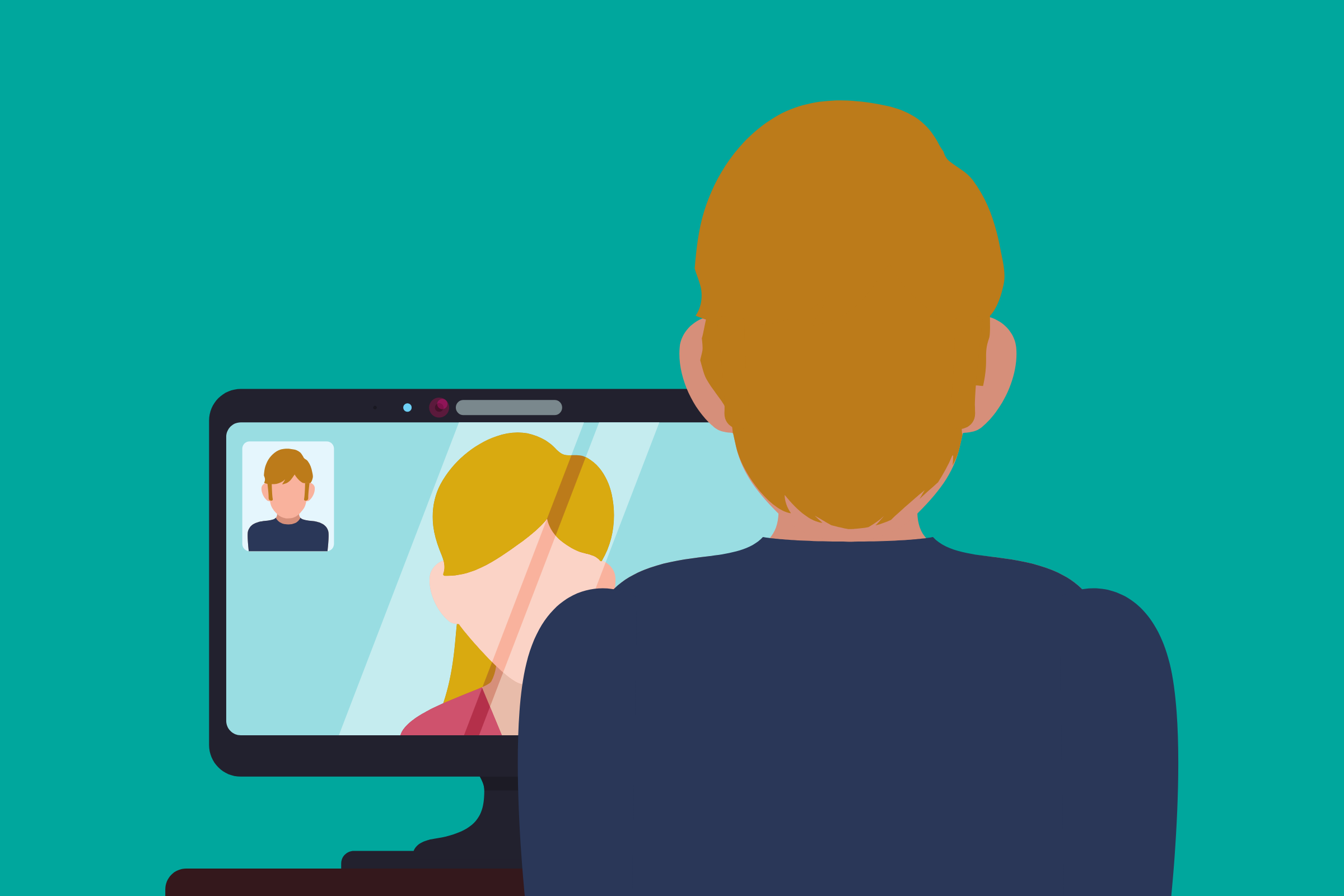
10 Tips for Your Online Counselling Session

Online therapy is a great way to get the support you need in the comfort of your own home.

From Skype to Zoom, there are plenty of video conferencing platforms that make online counselling easy and convenient for anyone with an internet connection. But there are a few extra things to think about when preparing for your online counselling session.

Create a suitable environment and make the most of your online counselling sessions with these ten tips.


1. Give yourself time to set up

Allow at least 5-10 minutes to get set up before your session to avoid rushing to get ready at the last minute. This will allow you to test out your video and microphone and troubleshoot any technical difficulties without eating into your appointment time.


2. Ensure your internet is stable

A reliable internet connection is a must. If your Wi-Fi is patchy in certain parts of your house, try setting up next to the router to ensure a strong and fast connection.


3. Find a private room or space

Having someone else in the room might make it hard to concentrate or make you feel uncomfortable sharing certain things with your counsellor. Privacy is important, so find a quiet, private room or space for your online counselling session – and keep energetic cats and dogs out.


4. Get the lighting right

Your counsellor wants to see your face! Make sure there’s enough light to show your face on camera, and sit in the centre of the screen with your head and shoulders in the picture (like a passport photo). Natural lighting is best, but use lights and lamps to make yourself visible if need be.


5. Turn off ceiling fans

Ceiling fans can create a flickering effect on camera. It’s best to turn them off during your online therapy session.


6. Use earphones

Whether you have noisy neighbours, live near a busy road, or your partner likes to play the TV loud, background noises can be an unwanted distraction. Protect your concentration and use earphones or headphones to block background noise out.


7. Close other tabs

Having other internet programs open can chew up some of your internet and cause your system to slow down. Not to mention, notifications and alerts from Facebook and other sites can interrupt the flow of your conversation. Close other tabs or mute notifications before your session.


8. Make a list

If there are a few things you’d like to talk about in your online counselling session, it can help to write a list. You can refer to your list if you lose your train of thought or get interrupted by your child, partner, or pet.


9. Put your phone away

Phones are distracting even when they’re on silent. Remove the temptation to check your phone or watch notifications lighting up the screen by putting it in a cupboard or drawer until your session is over.


10. Have a backup plan

Technology doesn’t always work the way we want it to. It’s a good idea to have a plan B lined up just in case your online counselling session gets interrupted by a dodgy internet connection. You might like to take your session over the phone if this happens.


Bonus Tip: Take some time after your session

After face-to-face counselling, you’d normally have time on the trip home to think about the session. But with online counselling, it can be easy to immediately go back to your daily tasks. If you can, take some quiet time to reflect on the things you discussed and how you’re feeling.

You can learn about Relationships Australia QLD’s counselling service here, or call us on 1300 364 277 to talk to a professional counsellor over the phone or book your video counselling session. This number is available Monday-Friday 8am-8pm and Saturday 10am-4pm.